Habitats and conservation
Wildlife Trusts raise £30m to acquire Northumberland land
The successful campaign secures over 3,800 hectares of diverse habitat for native animals including red squirrels and pine martens.
Reported by The Guardian · · 2 min read
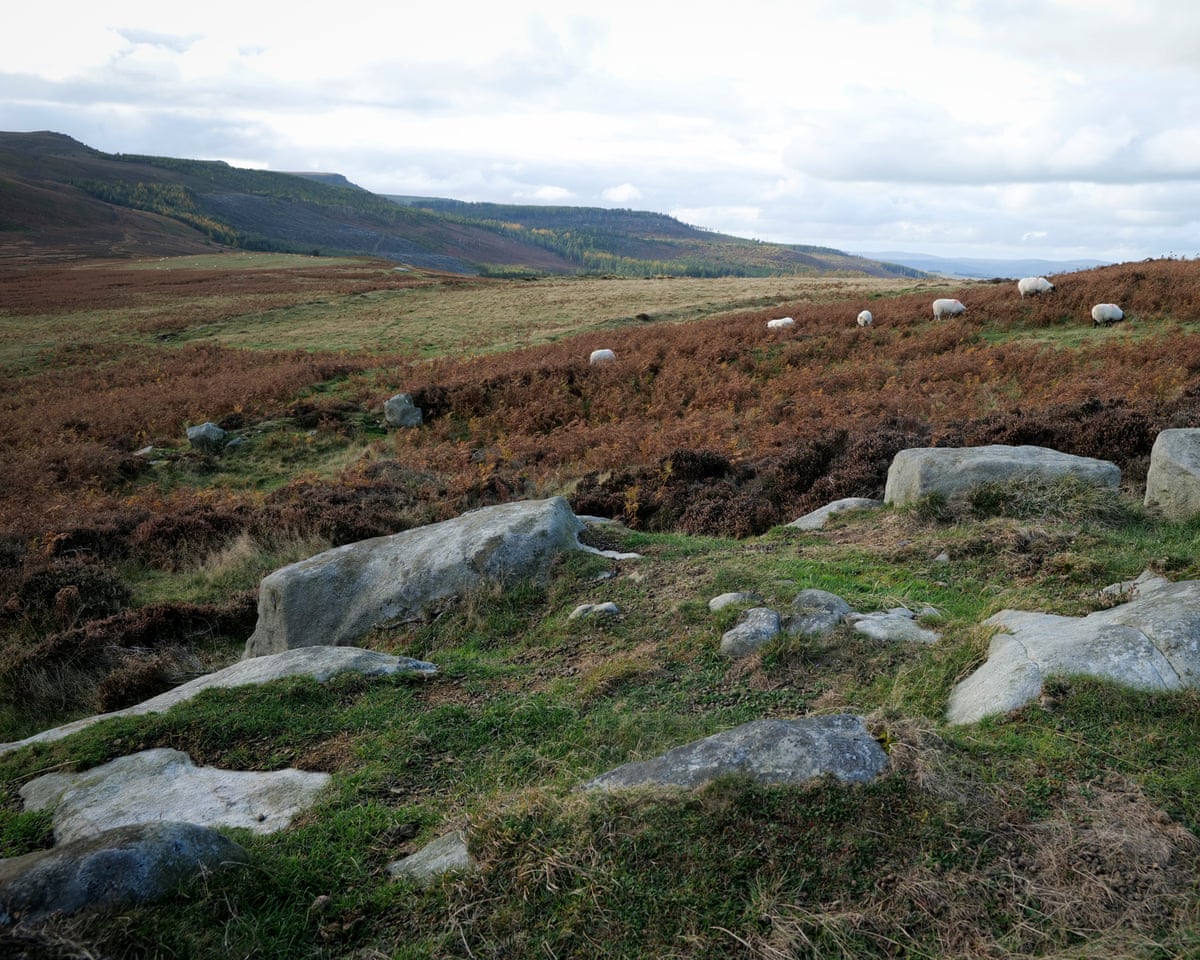
A major environmental initiative in England has reached its funding goal after conservationists gathered £30 million to purchase a massive property in Northumberland. The Wildlife Trusts plan to use the 3,800-hectare site, known as the Rothbury estate, to establish a large-scale habitat restoration program.
The initiative began two years ago after Max Percy put the land up for sale. Covering nearly 15 square miles, the site is the largest single-owner property listed in England in more than three decades. Naturalist David Attenborough championed the effort, offering thanks to supporters who helped secure the area for nature recovery.
Funding came from multiple sources, including £17 million donated by roughly 25,000 individual contributors. Additional financial backing included a £5 million grant from the National Lottery Heritage Fund, a government commitment of £1.94 million, and sums from philanthropic individuals and charitable organizations.
Expanding Wildlife Habitats
The expansive terrain features diverse landscapes, ranging from valley woodlands and agricultural fields to moorlands and the Simonside hills. Mike Pratt, chief executive of the Northumberland Wildlife Trust, highlighted that the property holds species such as red squirrels and mountain bumblebees. Conservation leaders hope to boost those existing populations while creating suitable conditions to welcome back species like pine martens, water voles, and curlews.
Eventually, organizers aim for the property to serve as a central anchor within a 40-mile ecological zone connecting Druridge Bay on the coast to national nature reserves near the Scottish border. The trust also expects increased eco-tourism to offer economic benefits to the nearby town of Rothbury.
Volunteers have already engaged in monitoring work across the grounds, according to project manager Sophie Bulgin. Activities include placing eco-acoustic recorders to track bats and small mammals, as well as conducting soil health assessments through earthworm surveys.
While many have welcomed the scheme, some local agricultural workers and local politician Guy Renner-Thompson expressed skepticism regarding its impact on traditional farming, profitability, and food supply. In response, Pratt stated that the organization intends to work alongside agricultural businesses to demonstrate that commercial farming and wildlife conservation can coexist successfully.