Birds
Young emperor penguins face fishing risks at sea
Satellite tracking shows juvenile emperor penguins migrate into waters heavily targeted by commercial krill fleets, reinforcing calls for Antarctic reserves.
Reported by Phys.org · · 2 min read

A new scientific study has found that juvenile emperor penguins regularly overlap with industrial fishing operations during their initial year in the open ocean. Researchers from institutions in France, Monaco, and the United States tracked 48 young birds from colonies situated around the Weddell Sea, including locations tagged for the very first time.
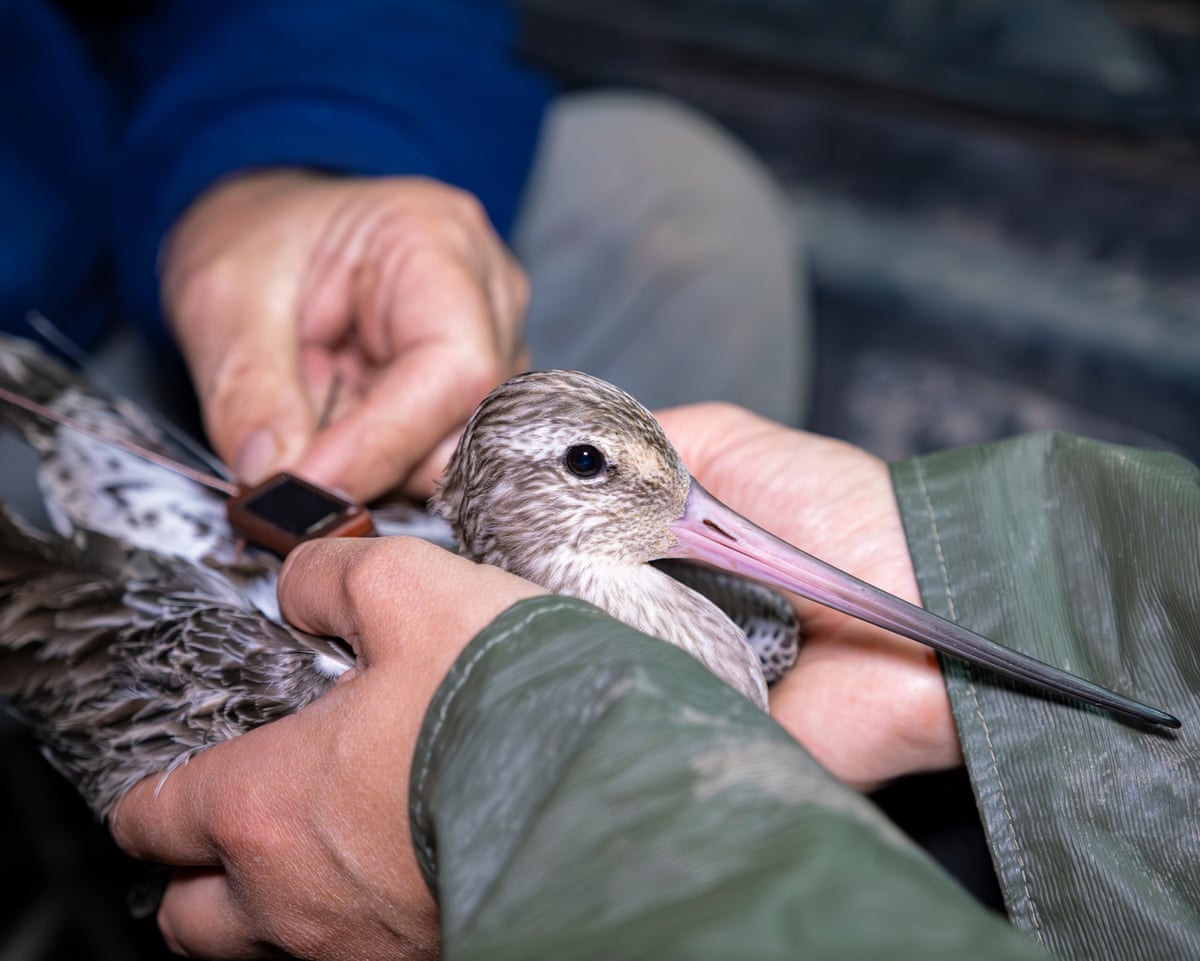
After departing their natal colonies at roughly five months of age, the young birds face a hazardous journey where only one in three survives into adulthood. Satellite devices affixed to penguins at Snow Hill Island, Jason Peninsula, and Atka Bay demonstrated that the juveniles follow highly predictable routes across the Southern Ocean, journeying over 1,500 kilometers across distinct seasons.
According to the investigation published in Biological Conservation, the birds leave in March and travel toward the productive Polar Front. They subsequently shift southward along expanding sea ice through winter and spring before heading back to the continent as ice melts. Lead investigators noted that individuals from separate colonies displayed virtually identical migratory habits year after year.
This consistency brings them into direct contact with commercial vessels, particularly those harvesting Antarctic krill, a vital dietary staple for the birds. Vessels in the region also capture mackerel icefish and Patagonian toothfish. Birds originating from the western colonies encountered the greatest fishing exposure, with penguins from Jason Peninsula spending upwards of 60 percent of their time in recently harvested waters during February and March.
Current Antarctic protected areas mostly focus on sheltering breeding grounds on land, leaving the offshore waters frequented by vulnerable juveniles unprotected. Although international proposals have sought to designate 2.2 million square kilometers of the Weddell Sea as a protected zone, regional diplomatic bodies have not achieved consensus to ratify the measure.
Scientists emphasize that shielding these marine pathways is increasingly urgent as climate change reduces sea ice, leading the International Union for Conservation of Nature to list emperor penguins as endangered. Safeguarding these foraging corridors would protect not only the declining penguin population, but also the broader marine food chain that depends on krill.