Birds
UK ministers broke environmental law over declining birds
The environment watchdog warned that 45 percent of native breeding species are dropping while authorities delay conservation measures.
Reported by The Guardian · · 2 min read
Britain's independent environmental watchdog has accused government leaders of breaching conservation statutes by neglecting to halt severe drops in avian populations. The Office for Environmental Protection stated that the environment secretary, Angela Eagle, alongside her department and advisory body Natural England, neglected legal obligations to shelter vulnerable avian wildlife across the country.
Recent figures indicate that wild avian numbers throughout Britain have plummeted to historically unprecedented depths. Across a recent five-year evaluation window, nearly 45 percent of 132 monitored native breeding varieties suffered downturns. Research compiled by the British Trust for Ornithology highlights an even broader historical collapse, estimating that over 73 million wild birds disappeared across the nation during the past fifty years.
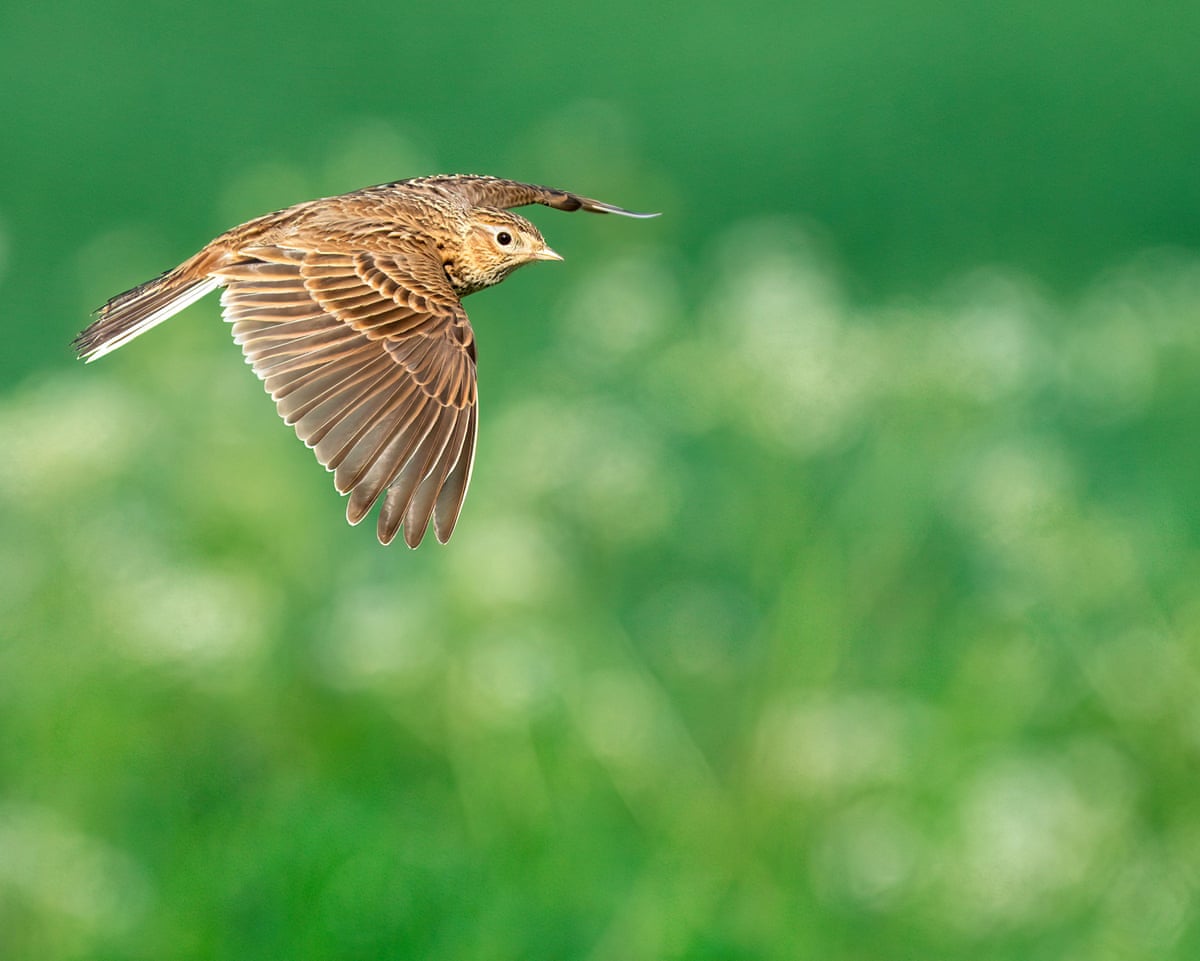
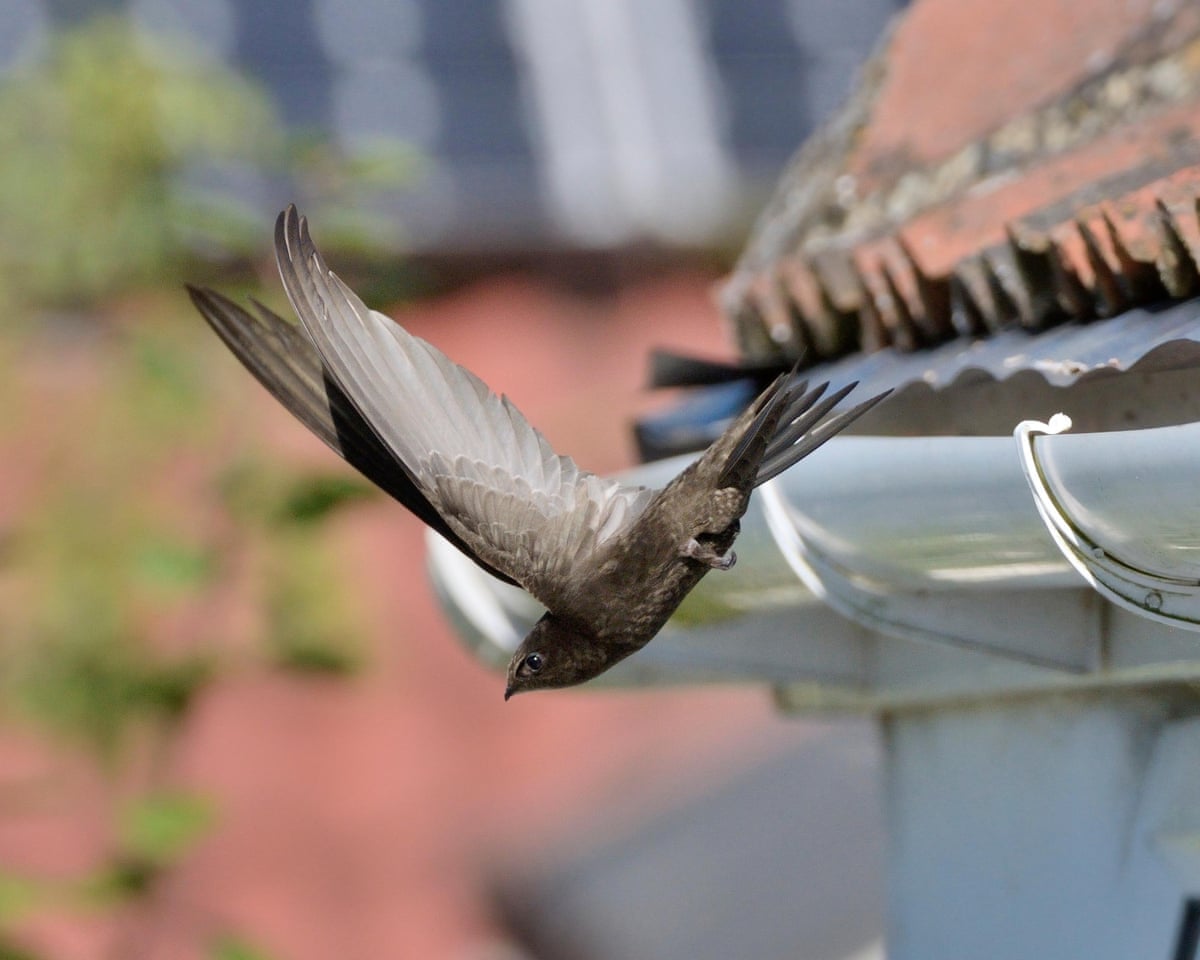
These losses have heavily impacted familiar garden visitors such as tree sparrows, bullfinches, and turtledoves, alongside wood warblers and swifts. Under environmental legislation, officials hold an explicit mandate to guide avian species back toward sustainable counts. They are also obligated to formally designate Special Protection Areas, which safeguard critical habitats from further degradation.
According to the regulator, authorities repeatedly neglected their obligations by stalling reviews of habitat sufficiency, failing to classify fresh protected zones, and omitting at-risk varieties from formal safeguarding registries. Helen Venn, an executive at the oversight agency, cautioned that prolonged administrative delays have left numerous sensitive landscapes without essential conservation frameworks during an ongoing biodiversity crisis.
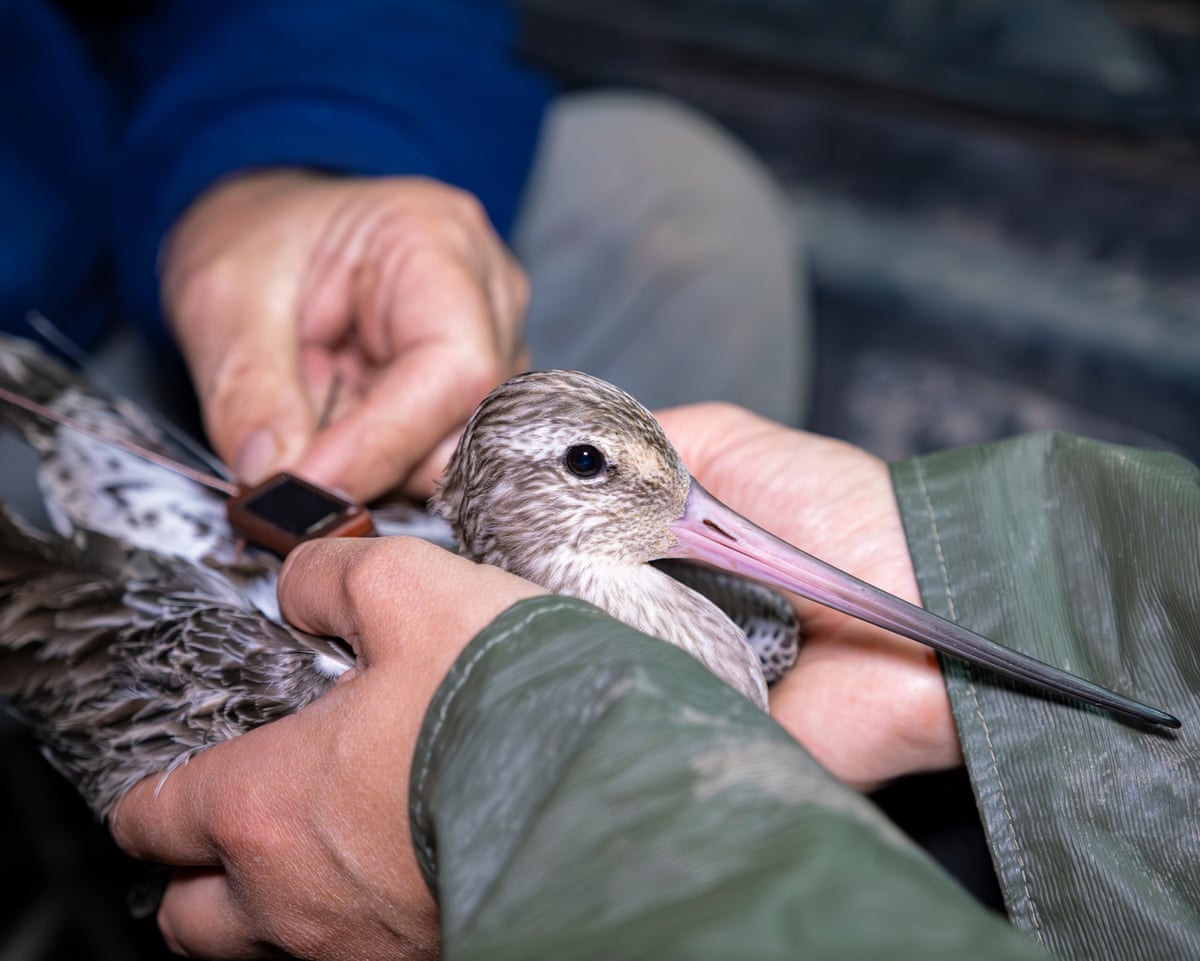
Nonprofit conservation groups have echoed the watchdog's findings, calling for immediate interventions to support severely stressed varieties like the curlew, hen harrier, and bittern. Although the country maintains dozens of designated onshore and marine reserves under broader commitments to conserve thirty percent of territory by 2030, advocates warn that administrative inaction undermines those goals.
In response, spokespeople for the Department for Environment, Food and Rural Affairs stated that officials are reviewing the watchdog's conclusions. The ministry maintained that it remains committed to fostering nature recovery through partnerships with agricultural managers and fishers to prevent accidental avian harm.