Birds
Milder winters alter bird migration across Britain
Warmer seasonal temperatures allow continental flocks to remain closer to nesting sites while local species adapt their cold-weather survival tactics.
Reported by The Guardian · · 1 min read
As winter approaches in Britain, wild birds are readying themselves to endure harsh seasonal conditions so they can survive until the upcoming spring breeding period. Different species rely on widely contrasting behaviors to withstand dropping temperatures across the landscape.
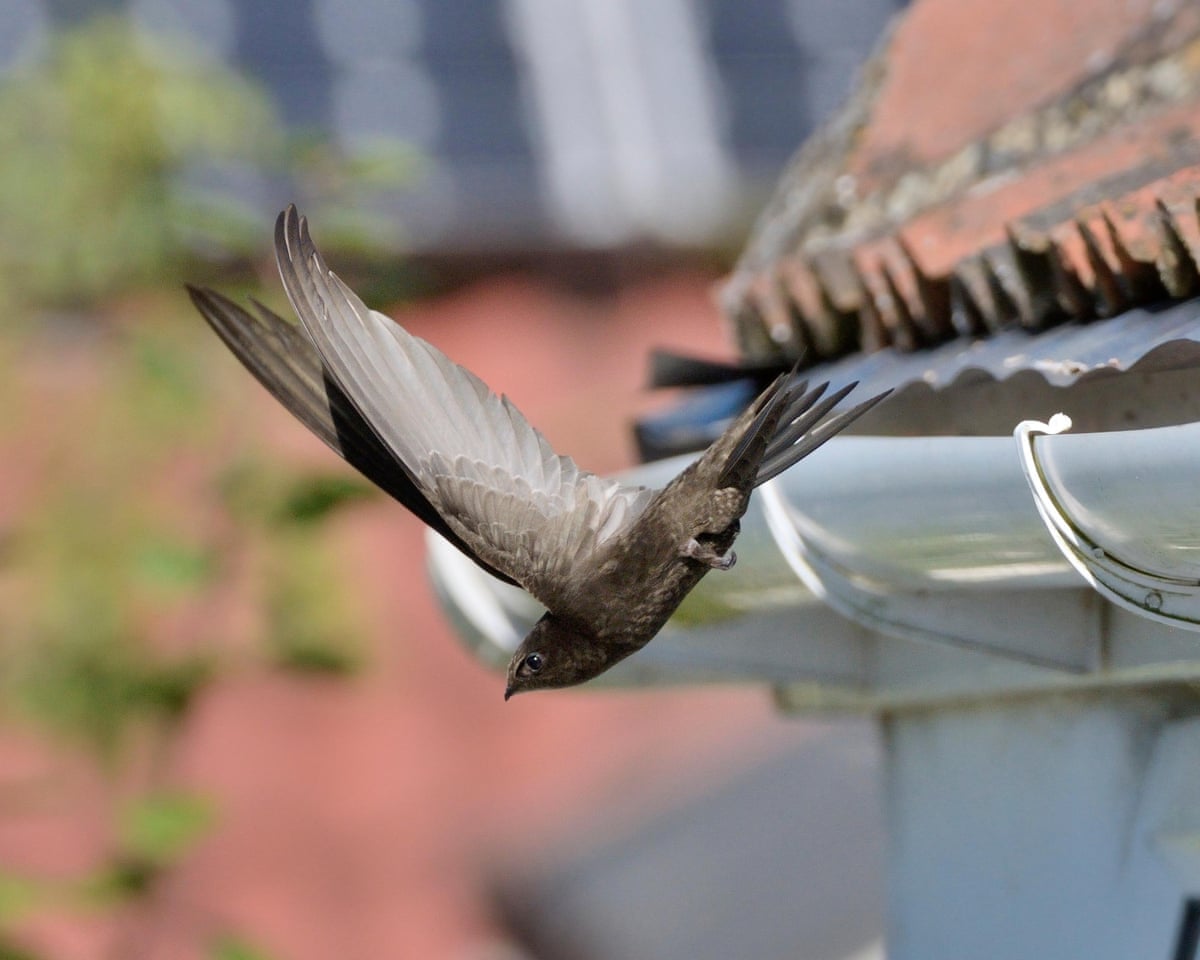
Several smaller varieties evade northern chills through long-distance travel. Swifts, swallows, warblers, cuckoos, flycatchers, and chats depart completely for regions such as sub-Saharan Africa, finding an extra warm season on the other side of the equator.
Other familiar garden birds, including robins and blackbirds, normally remain in their regular territories throughout the year. Even so, these residents can relocate if they detect incoming freezes, traveling shorter journeys to south-west areas of Britain or flying over the Channel to Spain and France.
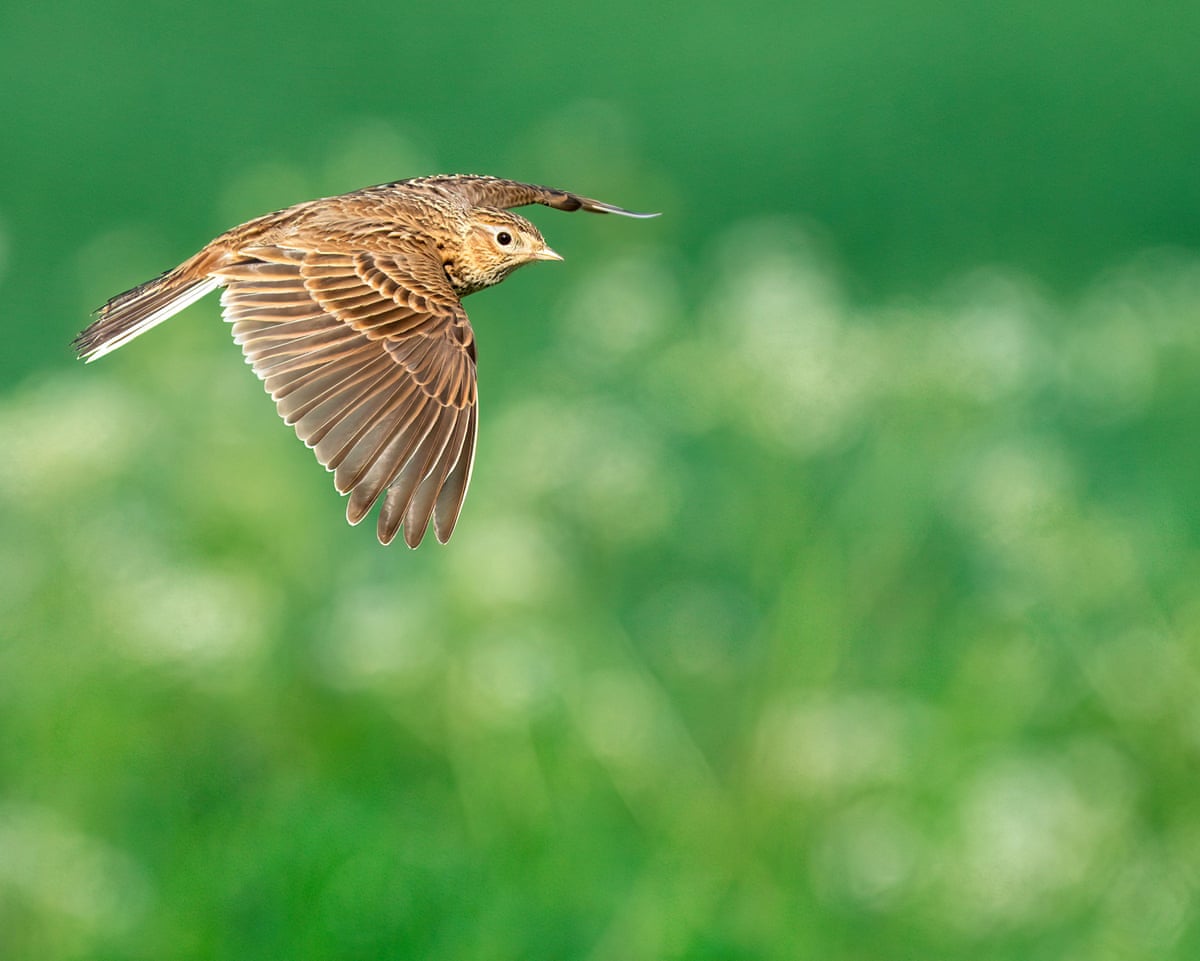
Local movements are also taking place within Britain. Skylarks have been moving away from upland moors and hills toward milder coastal zones such as Somerset, where increasing groups have been noted singing occasionally on clearer, sunny days ahead of spring.
Further seasonal shifts involve the massive roosts that form on wetlands. At the Avalon Marshes, large aggregations of starlings continue to settle closely amid dense reedbeds during autumn and winter evenings, seeking mutual warmth and safety from predators.
However, observers note that these starling gatherings have diminished considerably during recent seasons. Because recent winters have turned milder, many continental European birds no longer make the westward journey across the sea, choosing instead to stay nearer to their home breeding territories.