Habitats and conservation
Wadden Sea faces looming heritage threat as pressures mount
The UNESCO-listed intertidal zone faces potential removal from world heritage status due to growing ecological strain from human activities.
Reported by The Guardian · · 2 min read
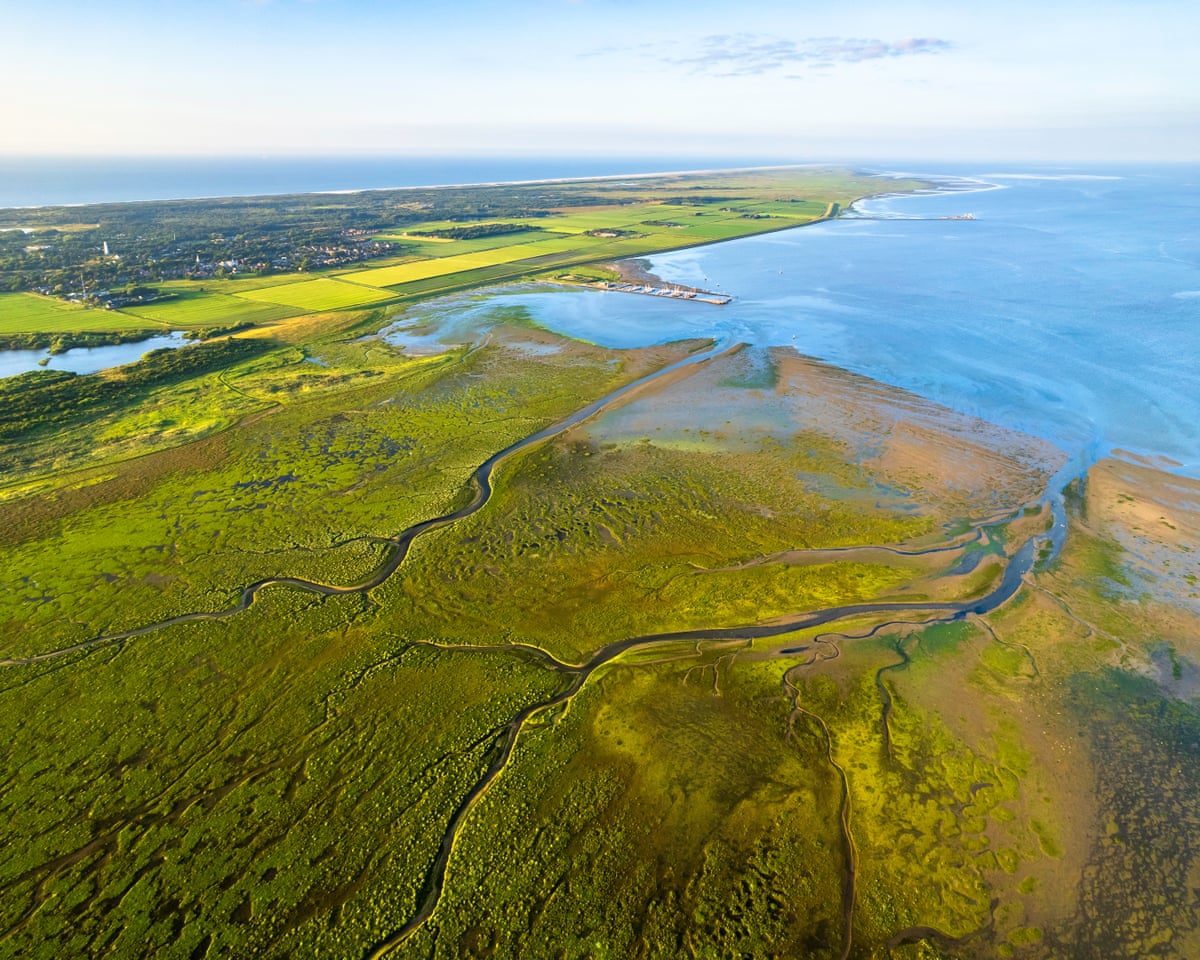
The Wadden Sea—a vast, UNESCO-listed intertidal ecosystem stretching across the Netherlands, Germany, and Denmark—is under increasing threat of being added to the World Heritage in Danger list. Experts warn that cumulative impacts from industries, tourism, and military activities are straining the region’s delicate balance.
Once a thriving hub for migratory birds and marine life, the Wadden Sea now faces declining biodiversity. Researchers say bird populations are dropping, fish stocks are diminishing, and the health of mudflats and salt marshes is deteriorating. Wouter van der Heij, a marine biologist with the Dutch environmental group Waddenvereniging, describes the situation as 'very vulnerable,' citing extraction projects, fishing, and rising sea levels as key stressors.
The region’s future hinges on a 2027 inspection by UNESCO and the International Union for Conservation of Nature (IUCN), which will assess whether conservation efforts are sufficient. Local communities, particularly on islands like Vlieland, fear losing livelihoods tied to tourism if protective measures become restrictive. Aant van der Veen, a resident and tour operator, warns that closing parts of the Wadden Sea could bankrupt businesses, as tourism supports the economy of thousands.
Campaigners argue that overlapping regulations—from national parks to Natura 2000 protections—are failing to stop harmful practices. Mona Friedrich of the Environmental Justice Foundation highlights the persistence of bottom trawling despite legal bans, while subsidence from gas and salt extraction risks permanently altering the intertidal zones essential for bird migration. The Dutch government has recently halted gas extraction in the Ternaard field, but renewable energy projects—like offshore wind farm cables—are also encroaching on protected areas.
Local leaders demand better communication and shared decision-making. The Dutch government has pledged to involve communities more closely, but critics say current policies prioritize conservation over economic and social needs. Van der Heij warns that shifting focus to compensation for restricted access risks exacerbating the crisis. 'We don’t want to be the sacrifice in this bargain,' he says, emphasizing the need for a balanced approach that preserves both nature and livelihoods.