Habitats and conservation
Bristol aims to become first UK wetland city
A five-year conservation plan will build over 200 urban aquatic sites to expand wildlife corridors and boost habitat for birds and insects.
Reported by The Guardian · · 1 min read
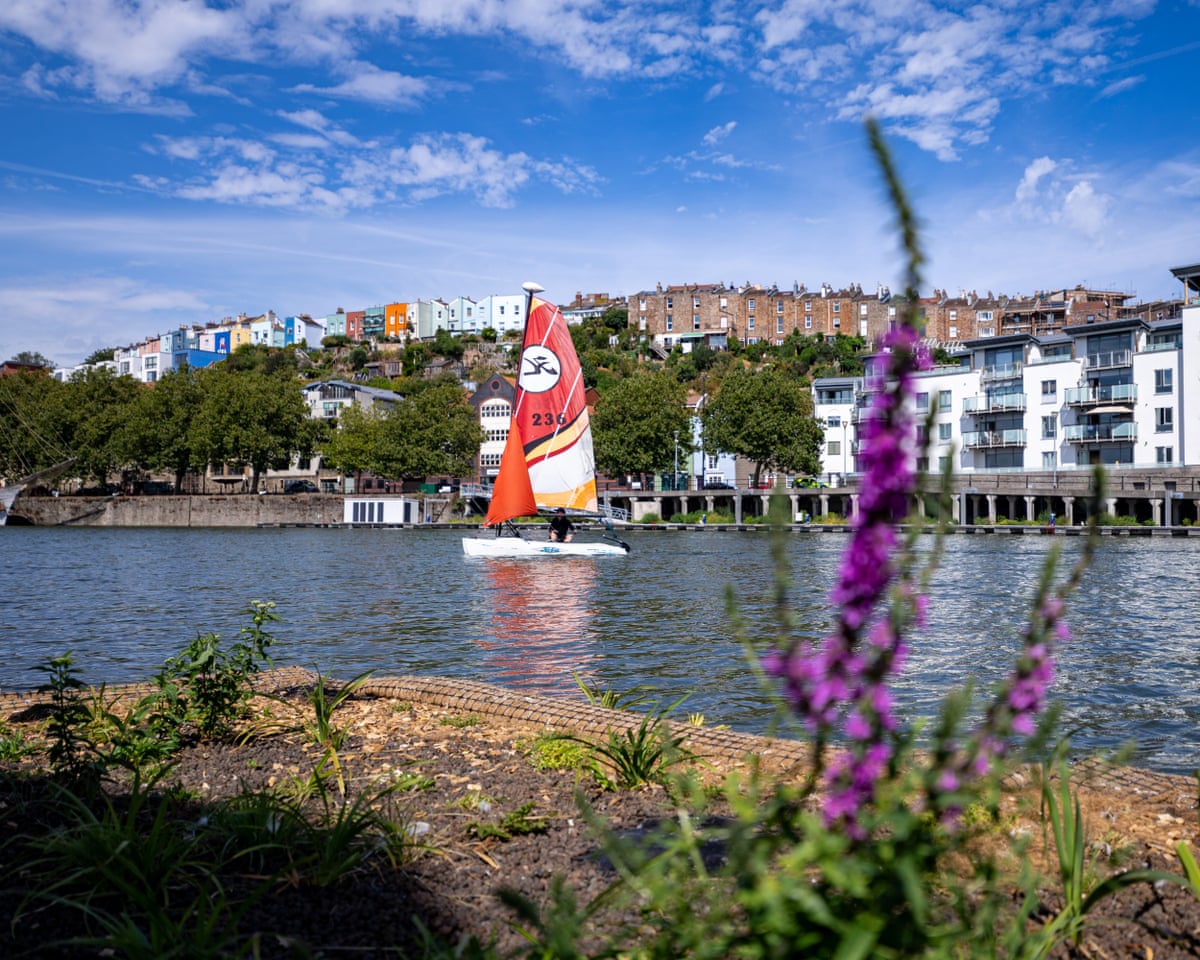
A major environmental initiative could turn Bristol into the first recognized wetland city in the United Kingdom. Spearheaded by the Wildfowl and Wetlands Trust, the five-year strategy seeks to establish interconnected ecological corridors, curbing urban flood risks while expanding natural spaces for residents and wildlife alike.
The conservation charity plans to carry out upwards of two hundred localized schemes across Bristol. Interventions will range in scale from backyard rainwater basins and curbside rain gardens to restoring river environments, reconnecting waterways with nearby floodplains, and constructing entirely new wetland systems.
Organizers are seeking formal accreditation through the Ramsar Convention, a global pact centered on wetland preservation that honors urban centers protecting their freshwater networks. Currently, seventy-four municipalities across twenty-seven nations hold this distinction, including twenty-two locations in China. While past bids in other countries were typically government-led, Bristol's initiative is backed by an 8.9 million pound investment from the insurer Aviva.
Efforts commenced in September with the placement of vegetated floating modules across three central harbour locations. Representatives noted that dragonflies and other animals arrived shortly after installation. According to project manager Louise Kennedy, four in ten animal species globally depend on wetland environments, making urban ecological restoration crucial at a time when natural habitats face steep global declines.
Trust programme lead Peter Lee explained that wetlands absorb downpours far better than paved ground, allowing communities to manage precipitation where it falls rather than overloading drainage networks. Supporters also hope Bristol's maritime geography, featuring roughly one hundred miles of waterways, will serve as a working blueprint for other urban areas by demonstrating the economic and environmental value of nature-based solutions.
City council leader Tony Dyer stated that reviving aquatic habitats will bolster local climate resilience, improve public health, and assist native species by embracing Bristol's historical connection with water.