Ocean life
British farmed salmon stripped of organic status
The Soil Association ended its certification scheme after discovering persistent fish welfare problems and high death rates across marine farms.
Reported by The Guardian · · 1 min read
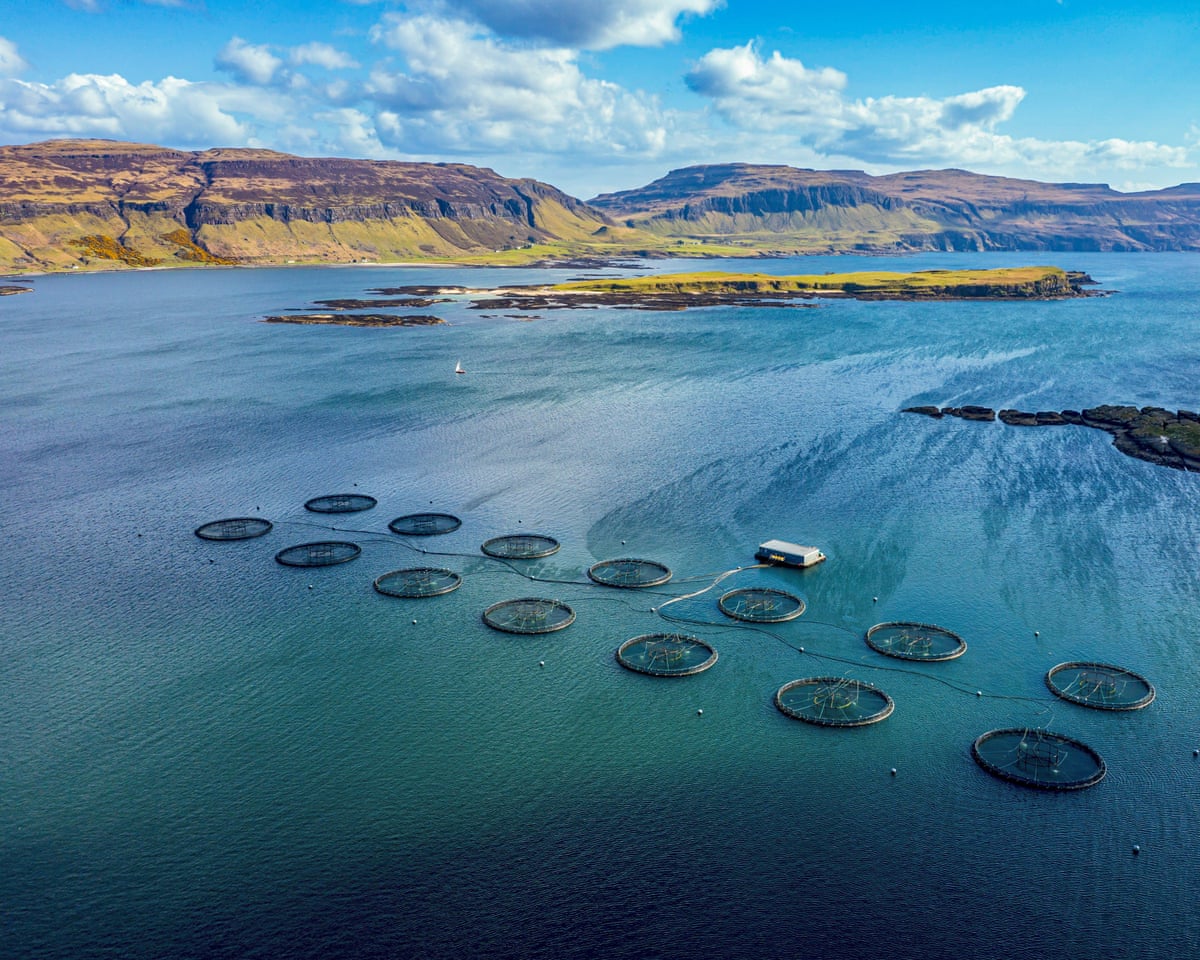
The Soil Association has officially ended its organic seal for farmed salmon in Britain after maintaining the endorsement for two decades. The accreditation organization explained that an extensive evaluation determined environmental safeguards and animal welfare standards fell short of its benchmarks, with little prospect of rapid improvement.
Farmed fish production in the United Kingdom has expanded dramatically since its modest beginnings off Scotland's western coast in 1971, growing into a billion-pound sector yielding roughly 205,000 tonnes annually. However, during the same span, wild Atlantic salmon populations in surrounding British waters suffered an estimated drop exceeding 70 percent, raising broader alarms about the condition of coastal ecosystems and warming seas.
Under standard commercial methods, artificial fertilization occurs within freshwater hatcheries before young fish are eventually transferred to saltwater enclosures. The captive salmon frequently encounter parasite outbreaks, such as sea lice, fostered by dense stocking conditions. Operators routinely deploy chemical medications to manage infestations, but open-water mortality remains a severe problem. In 2023 alone, approximately 17.4 million fish perished in cages prior to slaughter.
Conservation organizations like WildFish have long contended that oceanic cages contradict organic standards due to toxic pesticide use, pollution, and the heavy extraction of wild baitfish from western African waters to produce feed. Broadcaster Chris Packham similarly described the commercial aquaculture model as devastating for both natural habitats and animal well-being, while scores of international chefs have pledged to ban open-pen fish from dining establishments.
Trade group Salmon Scotland defended current practices, asserting that regional producers adhere to rigorous regulations involving more than 1,600 annual audits. The industry representative noted that UK authorities will still evaluate farms under state organic rules, assuring buyers that survival levels remain solid. Meanwhile, the Soil Association is appealing a legal order requiring it to release inspection files detailing conditions on certified sites.