Ocean life
Offshore gas plan threatens Australian turtles and whales
An environmental regulator warned that drilling in the Browse basin could cause irreversible destruction to Scott Reef habitats.
Reported by The Guardian · · 1 min read
A major fossil fuel extraction proposal off the north-western coast of Australia poses grave hazards to delicate marine ecosystems, according to regional environmental authorities. Regulators cautioned that the venture risks inflicting permanent harm on Scott Reef, an isolated underwater habitat that shelters over 1,500 distinct marine organisms.
Draft documents from the Western Australian Environmental Protection Authority showed sharp criticism of Woodside Energy's Browse basin initiative. Staff members advised the regulatory board that the developer's protective measures would prove ineffective at shielding vulnerable species that rely on the offshore reef system.
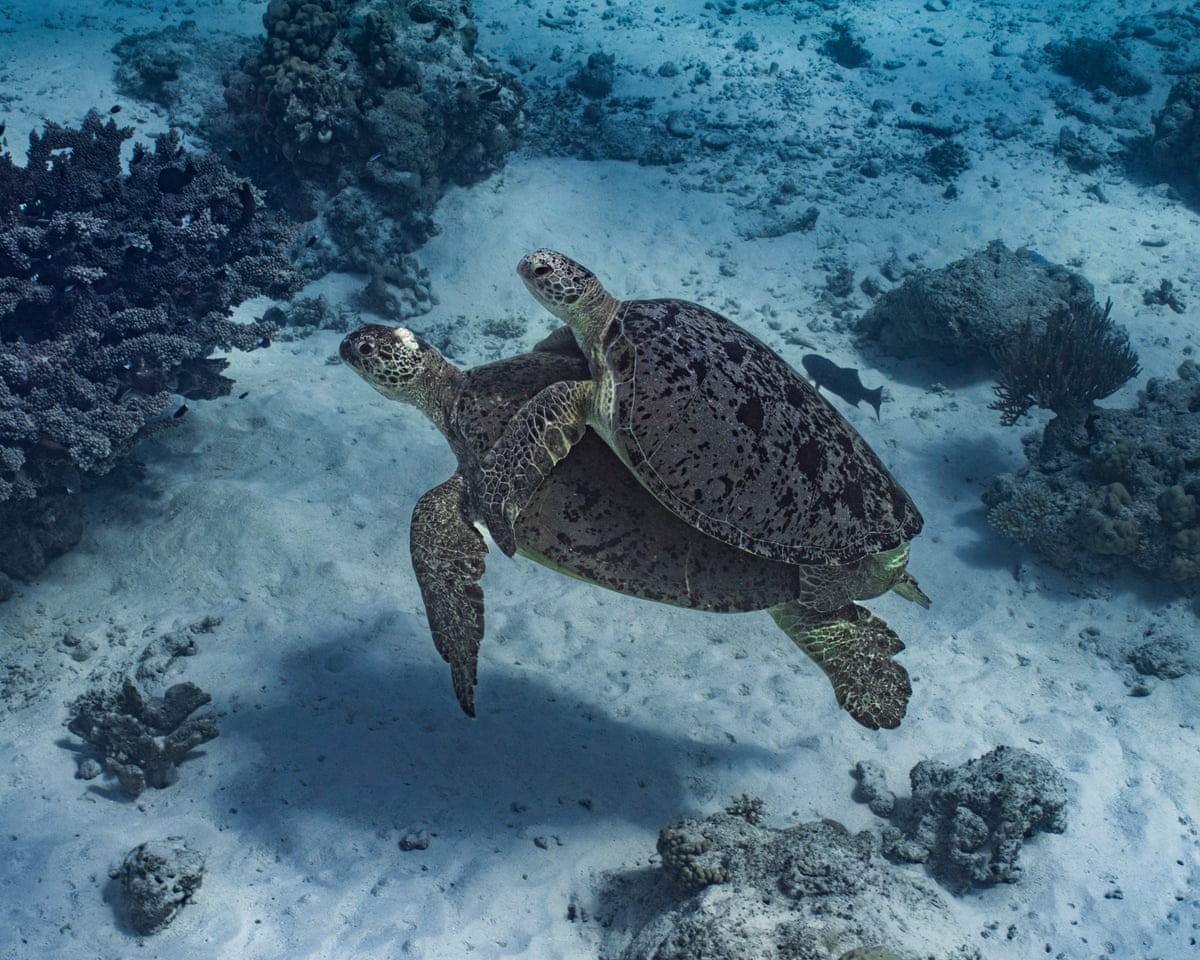
Among the primary concerns is the survival of endangered green turtles that visit Sandy Islet, a breeding site hosting approximately 1,000 turtles each year. Agency staff warned that removing gas from underneath the formation could cause seabed subsidence, while bright light from burning waste gas threatens to disrupt turtle navigation.
The surrounding waters also provide vital feeding grounds for pygmy blue whales traveling between Timor and southern Australian waters. Evaluators stressed that the reef represents the solitary documented feeding area along this route, leaving the whales vulnerable to elevated maritime traffic, industrial noise, and ship collisions.
In addition, watchdogs cautioned that an uncontrolled oil leak persisting for 13 days could cause lasting damage to the reef environment. Woodside proposed utilizing pyrotechnic shear rams to rapidly seal damaged wells, though peer gas exporter Chevron previously dismissed that approach as untested and unable to be verified in active operations.
Woodside has pledged to curb flaring activities and maintain a 20-kilometer exclusion zone around Sandy Islet, while asserting that whale feeding at the reef is merely opportunistic. Both state and federal authorities continue evaluating the project, with final decisions ultimately resting with ministerial officials.