Birds
Azores island dims lights to protect young seabirds
Residents of Corvo turn off street illumination every autumn to prevent fledgling Cory's shearwaters from crashing into village roads.
Reported by The Guardian · · 1 min read
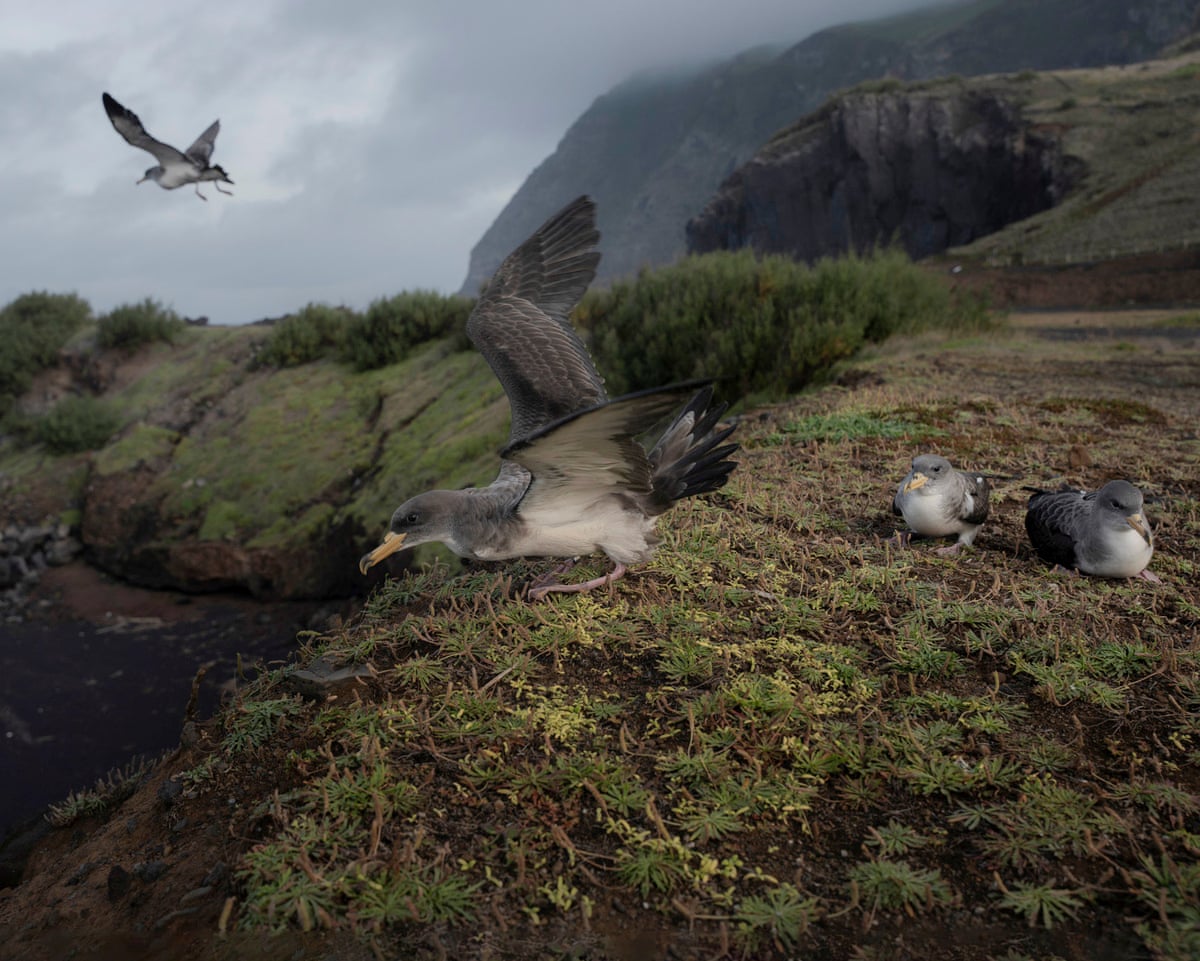
Each autumn, the northernmost territory in Portugal's Azores archipelago switches off municipal lighting to safeguard fledgling seabirds. For five nights each year since 2019, roughly 450 residents on Corvo Island intentionally plunge their community into darkness, allowing juvenile Cory's shearwaters to begin their oceanic journey without being disoriented by village lamps.
Cory's shearwaters nest for approximately three months before fledglings prepare to take flight toward open waters. In natural settings, the young seabirds rely on starlight to guide their maiden migration. However, bright streetlights frequently confuse the inexperienced birds, causing them to collide with structures or crash down into the narrow streets of Vila do Corvo, the island's only town.
Community intervention began in 1991 when residents noticed substantial mortality among young shearwaters during the autumn departure season. Local citizens started walking through the darkened town at night, searching on foot for grounded fledglings that could not take flight again without help.
The local initiative gained wider traction, prompting the regional government in 1995 to establish the broader SOS Cagarro campaign across the archipelago's eight other islands. In later years, the bird protection organization SPEA joined the effort to assist with the expanding program.
Corvo remains the sole island in the Azores to implement a full municipal blackout for the seabirds. While streets stay dark, local volunteers gather fallen fledglings and place them in cardboard boxes overnight to recover. Rescuers then bring the birds to nearby ocean cliffs the following morning, launching them toward the water. Campaign figures report that over 30,000 fledgling shearwaters have been rescued across the Azores since 2015, including approximately 6,000 on Corvo.