Birds
Jet lag disrupts navigation in foraging seabirds
Manx shearwaters flying eastward experience a form of jet lag, causing navigation errors, with young birds most affected, a study finds.
Reported by The Guardian · · 1 min read
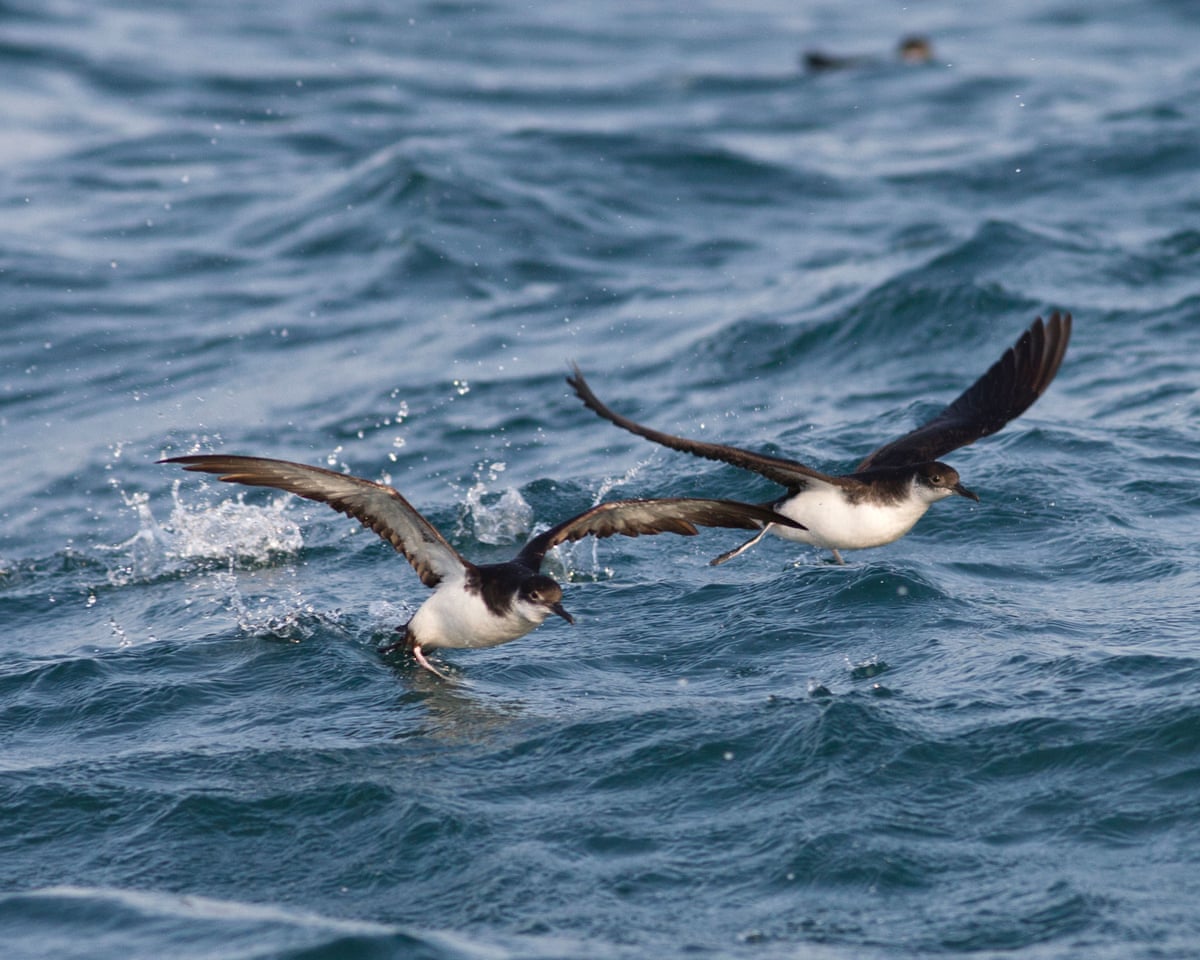
A new study reveals that Manx shearwaters, seabirds known for their long foraging trips, can lose their sense of direction due to a form of jet lag. Researchers found that when these birds return home after crossing the Atlantic, their rapid eastward flights disrupt their internal body clocks, leading to navigation errors.
The study, conducted by the University of Oxford, analyzed 20 years of GPS tracking data. It showed that as the birds flew east across lines of longitude, their internal clocks fell up to an hour behind local time. This mismatch caused them to drift off course, particularly when relying on the sun for navigation.
Adult shearwaters managed to correct their course with only minor deviations, adding roughly 3 miles to a 600-mile journey. However, less experienced birds, especially first-time foragers, faced greater challenges, risking deviations of hundreds of miles.
Sun as a compass
Shearwaters, like many animals, use the sun to navigate. Their body clocks help them adjust their heading relative to the sun’s position. Sunset and sunrise keep their internal clocks synchronized with local time, aiding their sense of direction.
The study, published in Science, found that even when following coastlines with visible landmarks, the birds still experienced navigation errors. This suggests the sun plays a central role in their orientation, regardless of other cues.
Prof Richard Holland of Bangor University, not involved in the study, called the findings significant. They confirm in wild animals what lab studies have shown: reliance on the sun compass can lead to inaccuracies, even for experienced navigators.
Manx shearwaters spend most of their lives at sea but return annually to breed on islands off the UK’s west coast. While the study notes the errors are small for adult birds, it highlights the broader importance of biological rhythms in animal behavior.