Birds
Feather analysis tracks elusive black rails in Texas
Biologists are collecting feather samples from threatened eastern black rails in Texas marshes to see if the small birds migrate north or reside year-round.
Reported by Phys.org · · 1 min read

Researchers from the University of Illinois at Urbana-Champaign are carrying out nocturnal field surveys across coastal Texas marshes to investigate the habitat preferences and migration of eastern black rails. The sparrow-sized birds are federally designated as threatened and rarely take flight, often darting through dense ground cover much like mice.
To spot the elusive creatures in the dark, field crews trek across wetlands pulling a long line rigged with plastic bottles containing rattling cat toys. The noise prompts concealed rails to flush into view. After a bird flutters a short distance away and lands among the grass, scientists approach and capture it with a dip net.
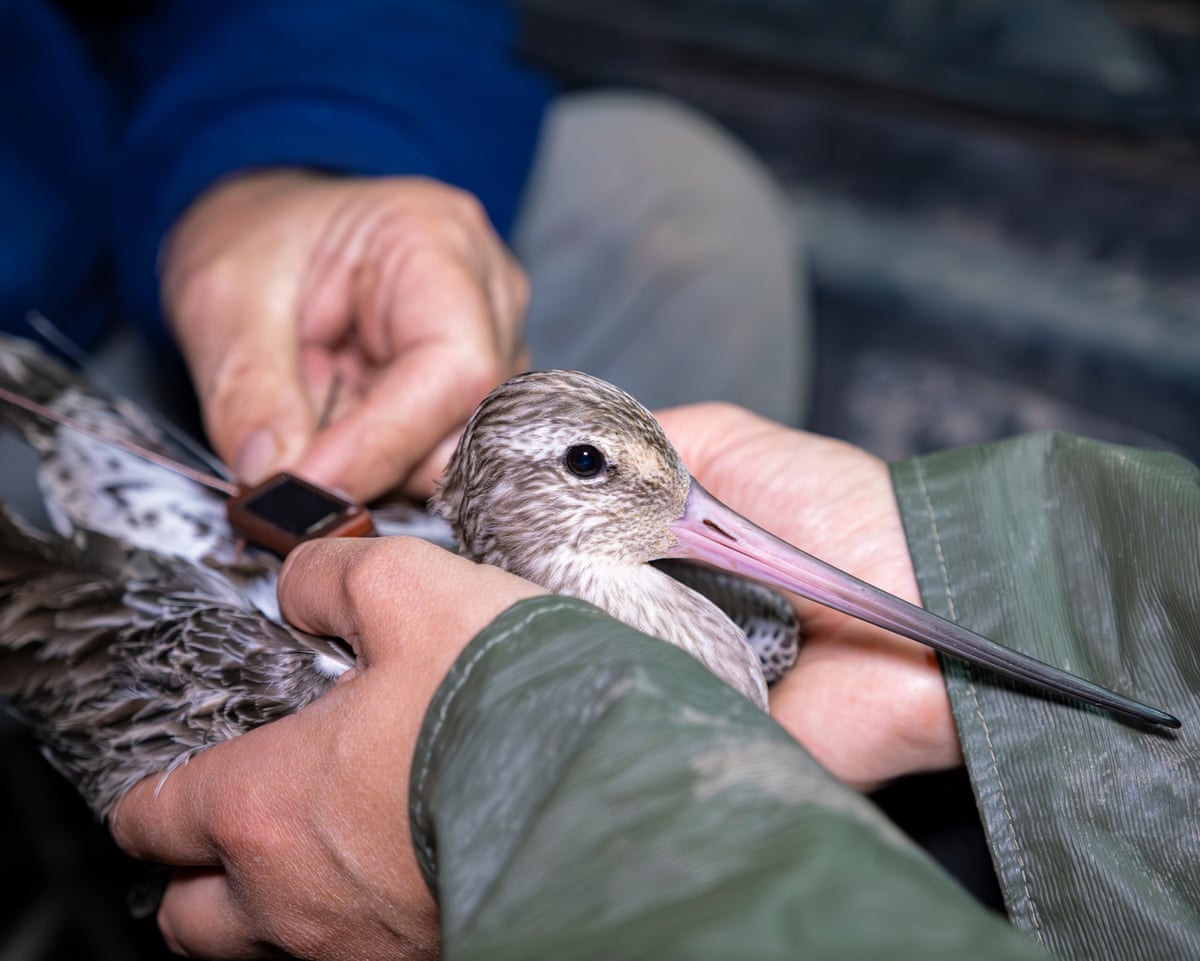
Once in hand, researchers fit an aluminum band inscribed with an exclusive serial code to the bird's leg. This marker will allow scientists to recognize the individual if encountered again. The team also logs measurements of its wings and legs, takes standardized photos, and carefully detaches a single feather.
The harvested feather acts as an essential diagnostic sample to clarify the bird's seasonal travel. Through feather analysis, scientists seek to discover whether the rail remains on the Texas coastline all year or merely winters in the region before journeying north toward breeding areas, likely located in Colorado or Kansas.
Outside of maritime marshes along the Atlantic and Gulf shorelines, smaller interior groups of eastern black rails inhabit parts of Kansas and Colorado. The secretive birds spend their time foraging for seeds and invertebrates on muddy ground while sheltering under thick grasses from predators and scorching summer heat.
After recording all relevant data, the team sets the rail down on the ground, watching it quickly vanish into the surrounding marsh. The nighttime survey is part of an ongoing two-week effort investigating how fire influences coastal wetland habitats and the delicate bird species that rely on them.