Ocean life
Hybrid crabs surge across Bering Sea following heatwave
Surveys off Alaska show crossbred shellfish now outnumber snow crabs, creating complex regulatory dilemmas for local fisheries after mass die-offs.
Reported by The Guardian · · 1 min read
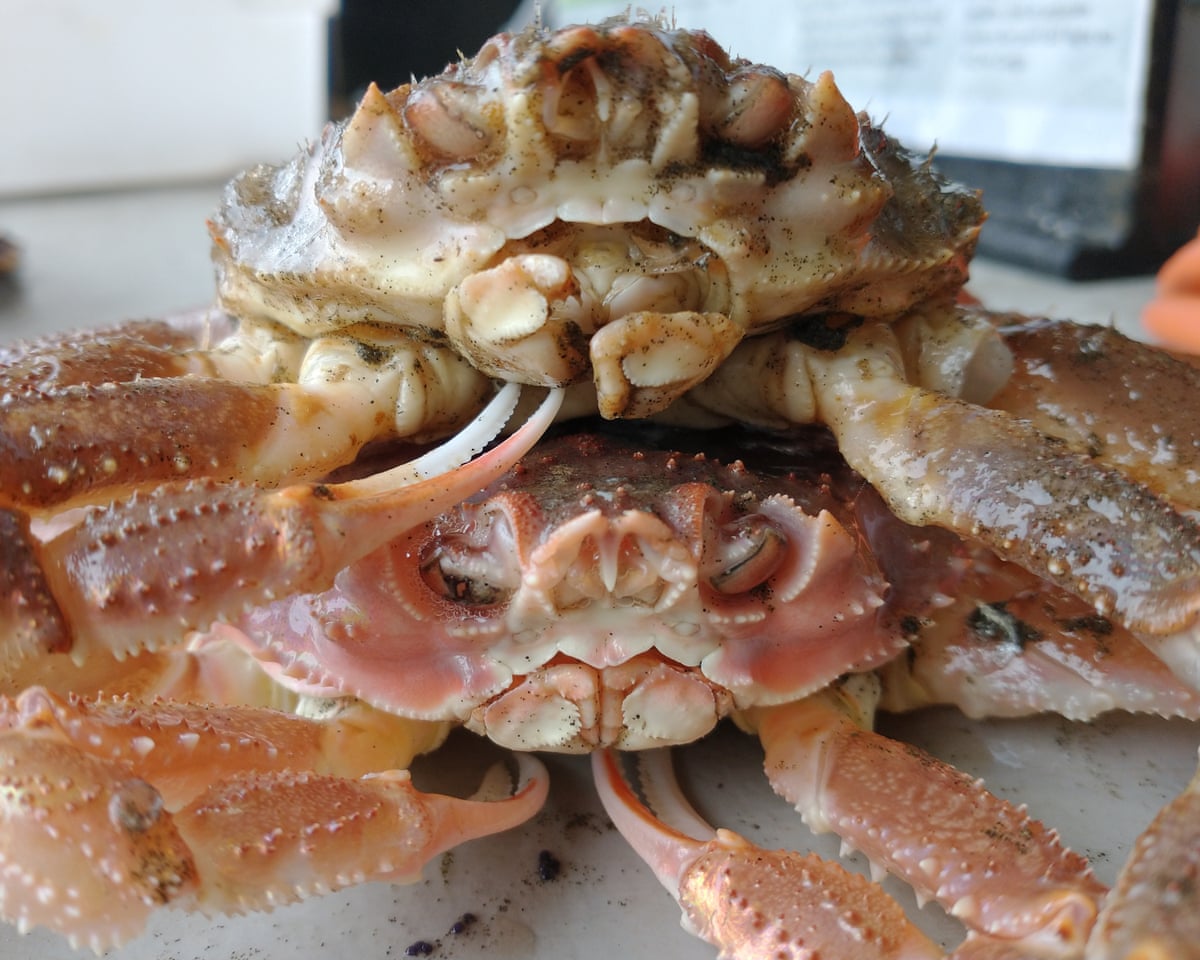
Marine surveys in the Bering Sea have revealed an unprecedented surge in hybrid crabs following a catastrophic marine heatwave. Scientists working hundreds of miles off Alaska discovered that crossbreeds between snow and tanner crabs have proliferated dramatically across seafloor sampling sites, fundamentally altering the composition of regional catches.
The population boom traces back to severe ocean warming in 2018 and 2019, when ice melted unusually early in the season. That environmental shift triggered widespread starvation, causing roughly ten billion snow crabs to perish in what ranks among the worst marine mortality disasters recorded. With their primary competitors largely removed, hybrid offspring encountered abundant space and food, allowing their numbers to multiply.
Researchers from the Alaska Fisheries Science Center noted that occurrences of these hybrids jumped to more than thirteen times typical baseline figures by 2025. Follow-up investigations in 2026 confirmed the shift, finding that mature male crossbreeds now exceed remaining snow crabs and constitute more than half of all adult crabs taken in commercial size brackets.
The unusual creatures display physical traits inherited from both parent species, including mismatched red and green eyes alongside an intermediate, flattened mouth structure. Biologists have collected live specimens for laboratory study, aiming to determine essential biological questions such as whether these hybrids possess the ability to reproduce among themselves.
The sudden population shift poses difficult administrative problems for wildlife managers and commercial fleets. State regulations currently lack a separate legal classification for hybrids, meaning they are sold under snow crab allowances. Because native snow crab stocks remain severely depressed, officials worry that indiscriminate harvesting could inadvertently decimate the surviving purebred population.
Commercial fishing operations, seeking relief from previous annual closures that inflicted massive financial losses, are urging authorities to establish distinct quotas for the hybrid catch. The North Pacific Fishery Management Council plans to convene scientists and industry stakeholders in January to deliberate potential changes to harvest policies.