Ocean life
Stranded humpback sparks intense rescue drama in Germany
A disoriented humpback whale stranded along the Baltic coastline ignited fierce public debates and difficult salvage attempts.
Reported by The Guardian · · 1 min read
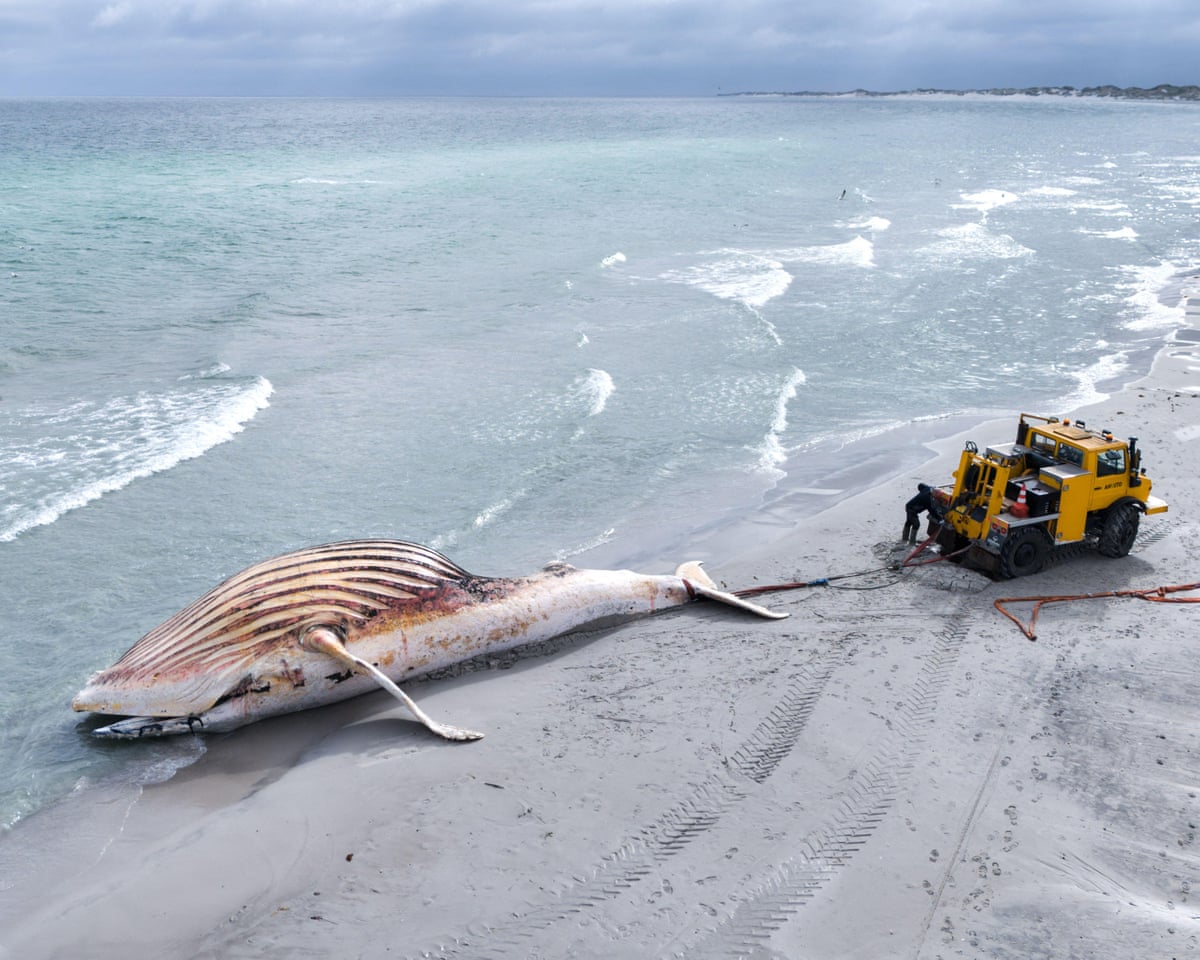
A disoriented female humpback measuring almost twelve meters long drew national attention after running aground multiple times along Germany's northern coast. The ordeal began when the ocean creature drifted far from typical Atlantic feeding grounds into the brackish waters of the Baltic Sea, where low salinity levels can trigger severe dermatological infections in marine mammals.
Early in the incident, observers spotted the whale trapped in fishing nets near the bay of Wismar. Representatives from Greenpeace alongside Sea Shepherd Germany managed to slice through the tangled gear, though responders noted that human interaction caused noticeable agitation and vocal distress in the animal. Shortly following that intervention, the mammal stranded again close to Timmendorfer beach.
A multi-day salvage operation involving heavy machinery ensued. Wildlife documentarian Robert Marc Lehmann assisted local authorities and equipment operators in carving an escape trench directly through the sandbank. Responders utilized the rounded edges of an excavator bucket to encourage the giant mammal along the newly formed waterway. By late March, the creature managed to float free into open shallows.
Public tension on the shore
Instead of traveling north toward the open ocean, the disoriented cetacean doubled back eastward, eventually beaching again along the island of Poel on March thirty-first. The renewed grounding prompted around-the-clock watch efforts by island volunteer firefighters, who continuously hosed the exposed skin with seawater to keep it hydrated.
The prolonged shoreline vigil attracted massive crowds, media crews, and widespread speculation. Onlookers and internet commentators frequently questioned official care protocols, forcing emergency personnel to counter accusations from agitated spectators while managing public safety barriers along the fragile coastal environment.