Birds
Crows make visual decisions twice as fast as primates
A University of Tübingen study reveals carrion crows process visual cues and choose actions in 235 milliseconds, far outpacing primates.
Reported by ScienceDaily · · 1 min read
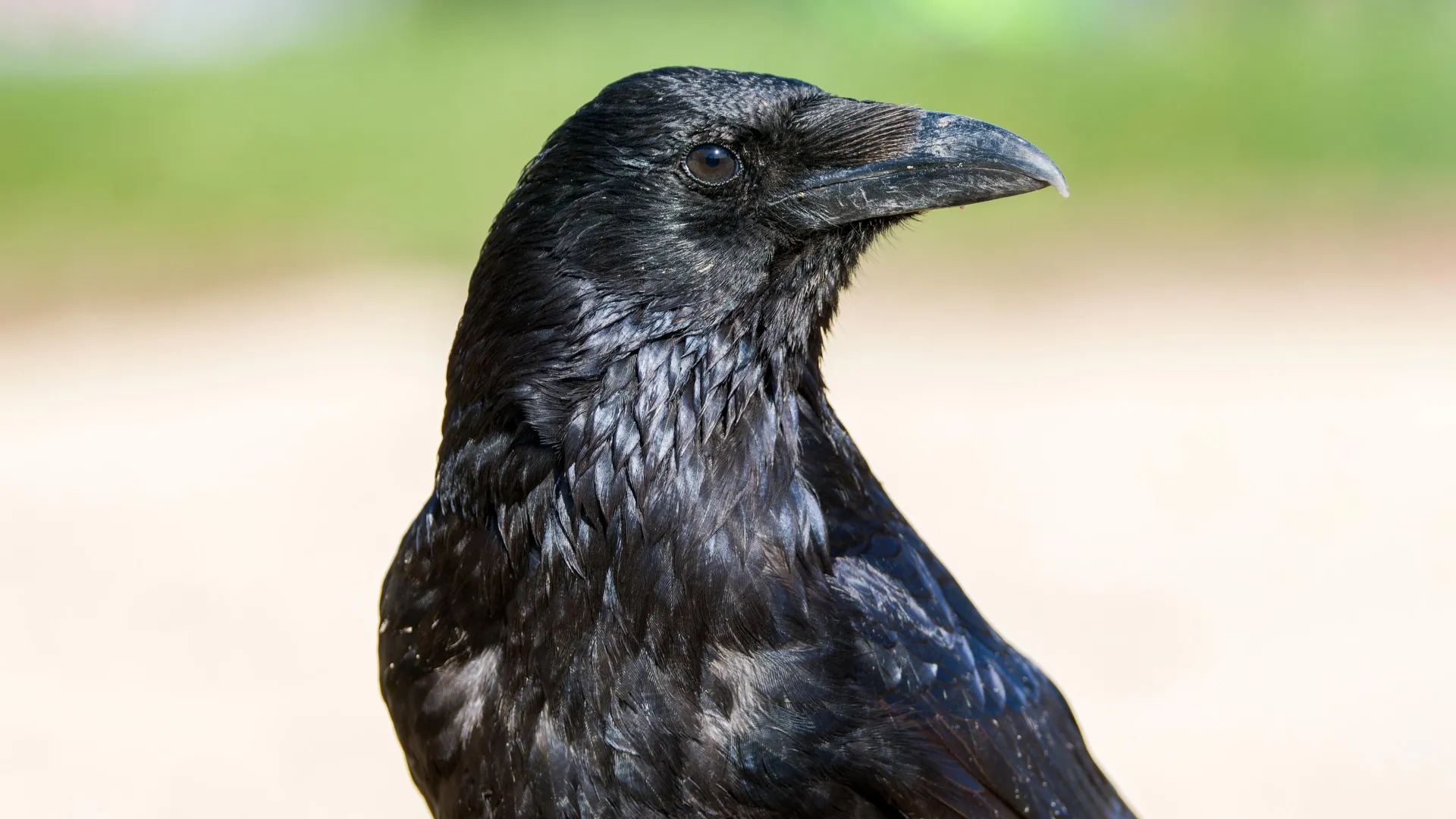
Carrion crows are capable of making visual judgments at twice the speed observed in humans and monkeys, according to researchers at the University of Tübingen. In laboratory tests, the birds needed an average of 235 milliseconds to determine the flow of moving dots and deliver their response, maintaining high accuracy throughout the trials.
Appearing in the journal Science, the study led by Philipp Schmidbauer and Professor Andreas Nieder explored how avian neural circuits handle incoming sensory data. Two birds viewed moving dots presented across a touchscreen, determining whether the primary motion was heading left or right before tapping an on-screen target with their beaks.
Even when visual patterns were subtle and difficult to interpret, the crows reliably outperformed random guessing. When presented with distinct directional indicators, their choices were almost entirely correct, demonstrating an ability to evaluate complex visual scenes almost instantaneously.
Rapid neural processing
To determine how avian brains achieve such swiftness, the team tracked individual brain cells in the nidopallium caudolaterale, a region functionally comparable to the primate prefrontal cortex. The data showed that neurons began distinguishing between potential directions within only 70 milliseconds of the visual stimulus appearing.
These electrical signals surfaced well ahead of any physical reaction. Cellular activity grew progressively stronger until crossing a threshold linked to choice finalization, echoing how distinct the motion cues were and which side the subject ultimately picked.
Although birds do not possess the layered cerebral cortex found in mammals, their neural dynamics align closely with primate models of evaluating evidence. The study authors suggest this rapid visual assessment may have evolved to accommodate the demanding requirements of flight control and the precise beak movements needed while foraging, though the exact biological mechanisms driving this speed remain unknown.