Ocean life
Boulders placed on seabed to obstruct UK bottom trawlers
Environmental campaigners deployed heavy stones across a marine reserve off Britain to prevent nets from harming wildlife living along the ocean floor.
Reported by Mongabay · · 2 min read

Environmental campaigners have placed ten large stone blocks on the seabed within the Southern North Sea Marine Protected Area off the British coast. The intervention aims to hinder industrial bottom trawling vessels that continue to operate legally inside the conservation zone.
Covering nearly 37,000 square kilometers, or roughly 14,000 square miles, the marine reserve forms part of a national framework intended to safeguard 30 percent of land and coastal waters by 2030. Even with that status, commercial boats are allowed to pull heavily weighted nets across the seabed, gathering up creatures along their route.
Each dropped rock weighs approximately two metric tons. One of the slabs was carved to depict broadcaster and naturalist David Attenborough, earning the nickname Attenboulder. Activists provided the geographic coordinates of every submerged block to fishing crews and maritime regulators, noting that while the obstacles cannot halt all trawling, they create physical hazards for operations.
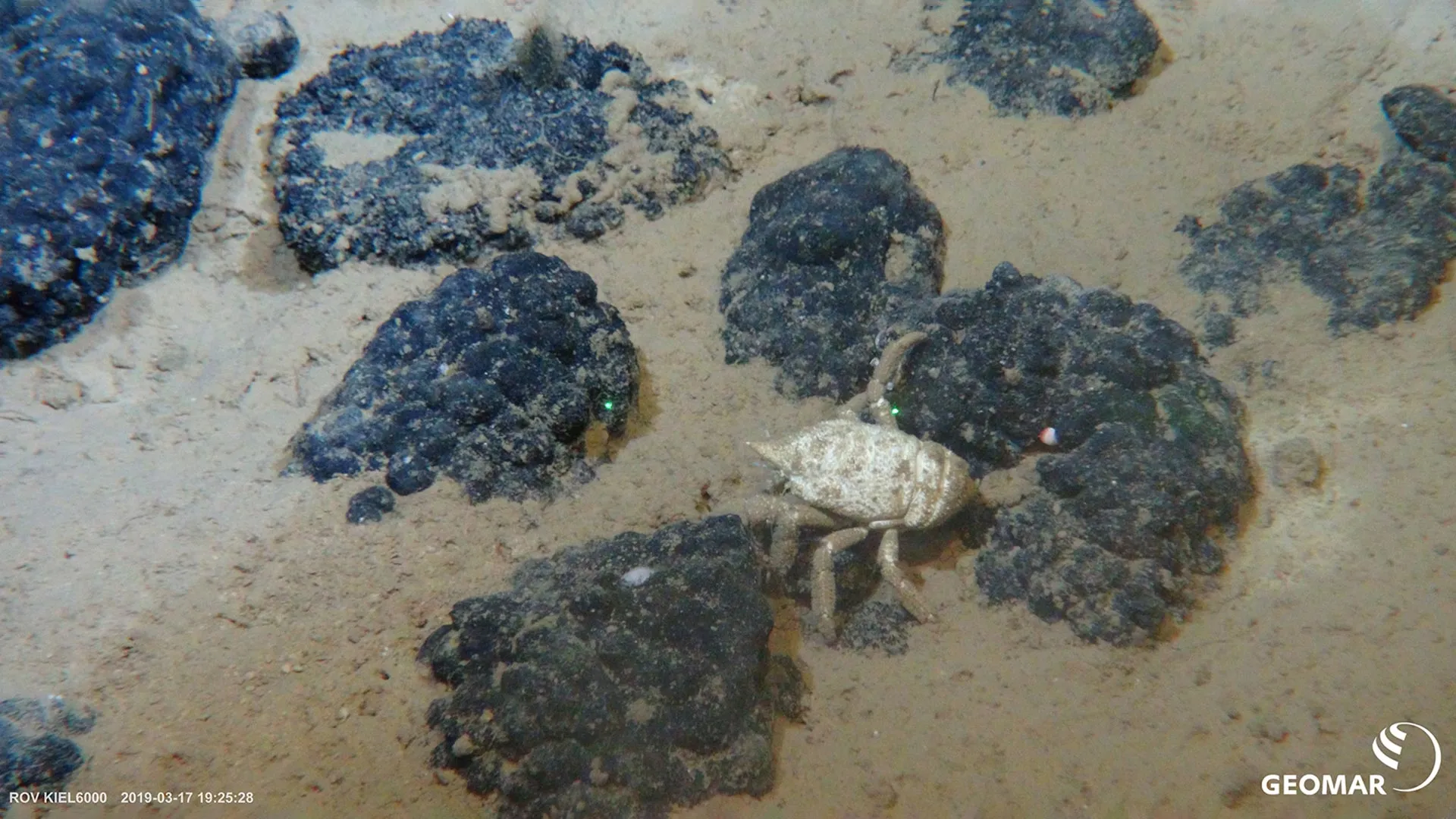
Elena Polisano, who leads ocean campaigns for Greenpeace UK, described the designated zone as an ineffective reserve that leaves animals vulnerable. She warned that dragging heavy equipment crushes the benthic habitat, depletes fish populations, and kills marine life such as porpoises, dolphins, sharks, and various seabirds.
The action drew swift criticism from the European Bottom Fisheries Alliance, which maintained that conservation objectives should not override formal rules or unilaterally restrict fleets. The industry coalition warned that providing locations afterward fails to eliminate safety hazards for vessel crews at sea.
British officials are examining the protest. The Marine Management Organisation confirmed an active inquiry into the deployment, while the government's environment and rural affairs department stated that domestic regulations balance habitat protection with maritime safety and support for sustainable fishing communities.
Campaigners have utilized seafloor obstacles in previous initiatives. Similar stones were sunk at Dogger Bank and Offshore Brighton during 2020 and 2021. Following judicial review regarding public interest, regulators halted legal proceedings, and British authorities subsequently outlawed bottom-towed fishing gear throughout the Dogger Bank reserve.