Insects and pollinators
Bogong moth swarms appear on Australian weather radar
Massive insect flights moving across eastern Australia are generating weather echoes normally caused by precipitation as the animals head toward the Alps.
Reported by The Guardian · · 2 min read
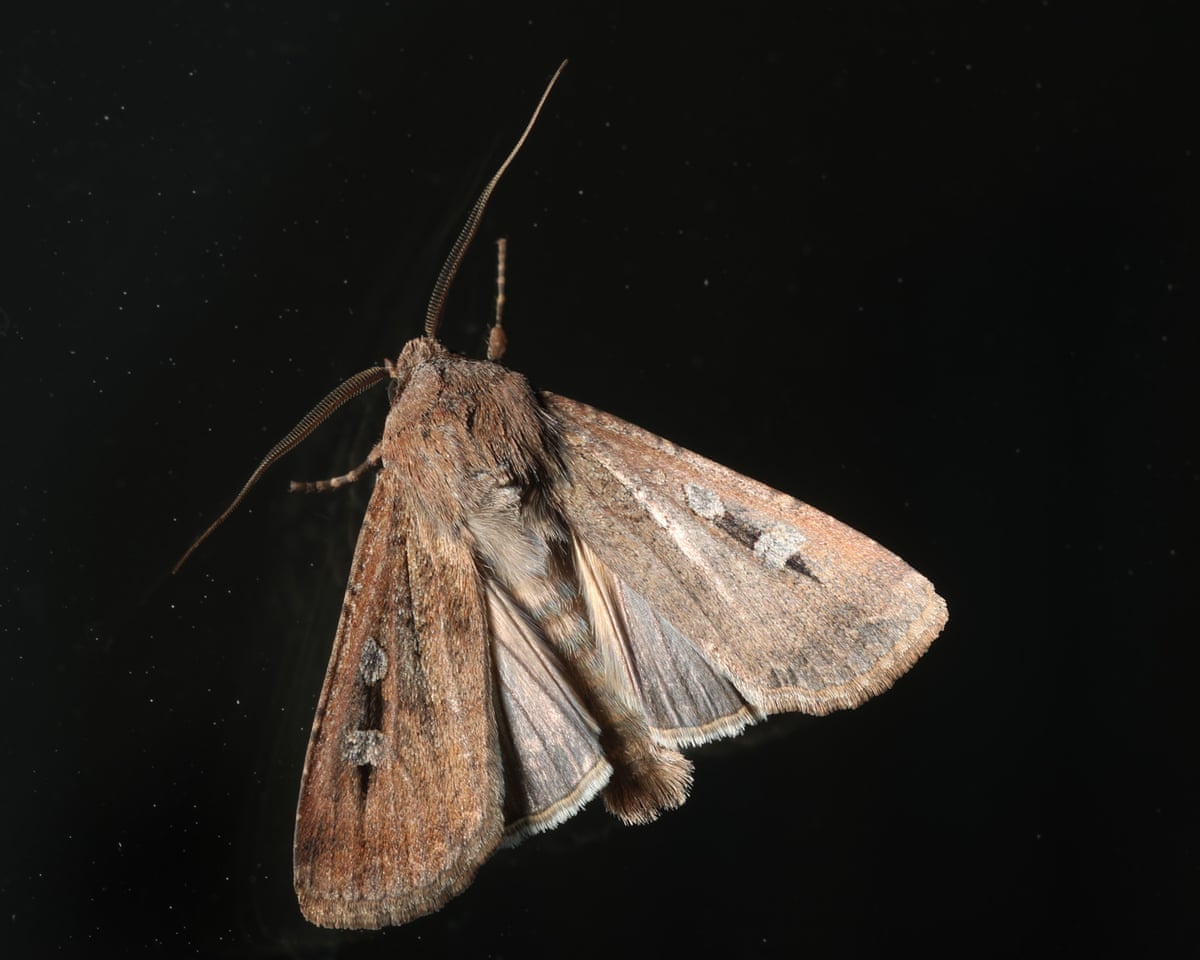
Migrating bogong moths travelling toward the Australian Alps are showing up on meteorological radar screens across New South Wales. Instruments intended to monitor precipitation frequently display signatures resembling rain over Sydney and surrounding eastern regions, even when ground conditions remain completely dry during the evening.
Weather radars operate by transmitting radio signals that bounce off moisture, but dense swarms of airborne insects can reflect those same pulses. A representative from the Bureau of Meteorology explained that vast clusters of insects can mimic light rainfall, particularly during sunrise and sunset periods. Officials cautioned, however, that other environmental conditions, such as temperature inversions, might also generate non-rain echoes on tracking screens.
Similar occurrences have historical precedent in Australia. During the 2000 Olympic Games in Sydney, an enormous gathering of bogong moths drawn to stadium illumination was famously mistaken for rainfall by meteorologists. Decades after that event, the insects are once again appearing in high volumes across local skies.
Researchers see great potential in using weather surveillance to follow the insects. Dr. Kate Umbers, a zoology researcher at Western Sydney University and director of Invertebrates Australia, explained that radar data could assist scientists investigating migratory pathways and breeding locations. Prior tracking methods relied on affixing physical tags to tiny specimens or gathering historical news accounts.
Radar systems are already assisting wildlife monitoring elsewhere in Australia. Ecologist Justin Welbergen, a flying fox specialist based at Western Sydney University, discovered that bats generate clear radar signatures when departing roosts in coordinated groups at dusk. Welbergen created an automated prototype called Aerocast to track flying fox populations, drawing comparisons to BirdCast, an American project following avian migrations. He suggested that detection methods designed for bats could easily adapt to moths because both species exhibit predictable departure patterns.
While current moth sightings throughout Canberra and Sydney provide valuable observation opportunities for scientists, experts warn that the species has not fully recovered. Populations experienced severe collapses in previous years, and warming temperatures continue to threaten their alpine habitat. Researchers emphasize that prominent urban sightings do not necessarily indicate a comprehensive resurgence across the continent.