Wild mammals
Idaho pays hunters thousands for killing wolf pups
State records show payouts reached two thousand dollars per animal as wildlife agencies pursue aggressive population reduction targets.
Reported by The Guardian · · 1 min read
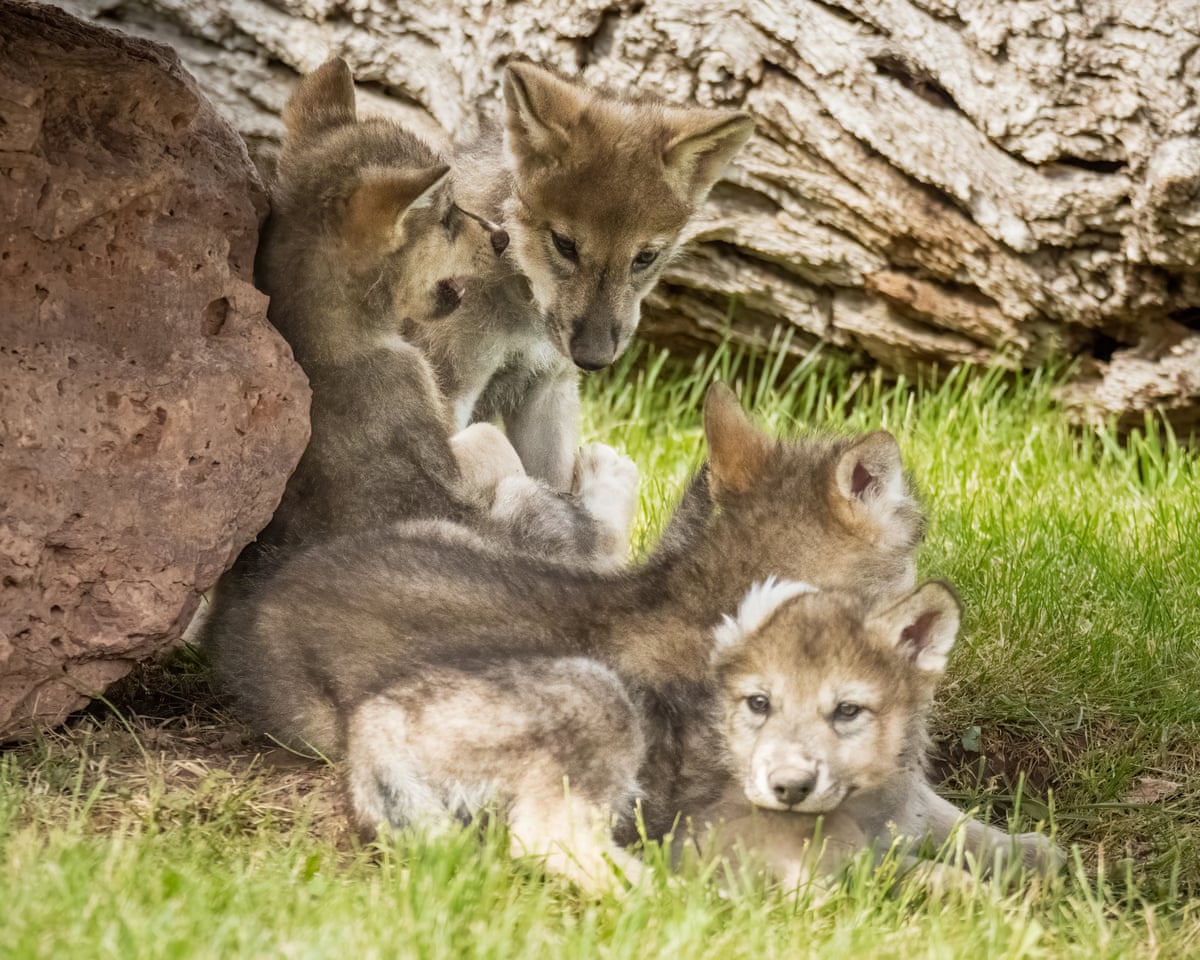
State documents indicate that Idaho officials disbursed thousands of dollars to hunters for shooting twelve newborn wolf pups during the spring season. The payments formed part of an expense reimbursement initiative designed to significantly reduce the state's gray wolf numbers, which have rebounded since federal reintroduction efforts in the 1990s.
The cull has drawn severe criticism from conservation groups and wildlife experts. Under current state arrangements, a non-profit organization collaborates with Idaho authorities to cover operational costs such as vehicle payments, fuel, ammunition, and gear for licensed participants who show proof of a harvest. The program provided compensation of two thousand dollars for each wolf eliminated, funded through taxpayer revenue, license sales, and non-profit donations.
Agency paperwork shows that three separate hunters used firearms to take the young wolves in the northern panhandle on the same day in late April. State biologists confirmed the animals were between one and three weeks of age, noting that their teeth were not developed enough for standard extraction and age verification. While official logs classified the method as stalking, experienced wildlife specialists noted that harvesting multiple very young pups simultaneously typically involves monitoring maternity dens and retrieving them directly.
Researchers caution that removing entire litters can severely disrupt canine pack structures. Wolves reproduce once annually each spring, and biologists explain that pups serve as a central social link that keeps packs united throughout the remainder of the year. Removing young can cause familial units to scatter or dissolve completely.
Current Idaho regulations do not prohibit the killing of wolf offspring, as hunting rules permit year-round operations without seasonal protections during the birthing period. State management targets aim to lower the spring count to approximately 650 individuals from an estimated total exceeding 1,100 animals. Wildlife managers state that achieving such reductions requires continually removing more than a third of the regional population each year.


