Wild mammals
Sri Lanka Launches 'Elephant Army' After Rare Tusker's Death
Government and military staff form a 100-member force to guard rare tusked elephants, though ecologists stress that habitat protection remains essential.
Reported by Mongabay · · 2 min read

The death of Kavantissa, a male elephant well known to residents of a rural Sri Lankan village, prompted a swift government response. The animal was killed by a gunshot wound, and environmentalists criticized authorities for what they described as insufficient care, while local animal rights groups called for an independent probe into the killing.
In reply, Sri Lankan officials unveiled Hasthi Sena, a joint task force of roughly 100 personnel drawn from the armed forces, wildlife departments, and civil defense units. The unit is designed to intercept further elephant killings, disrupt wildlife crime, and increase surveillance in areas where human-elephant encounters are most frequent. By early November, the force had already made arrests connected to the use of wire snares and trap guns.
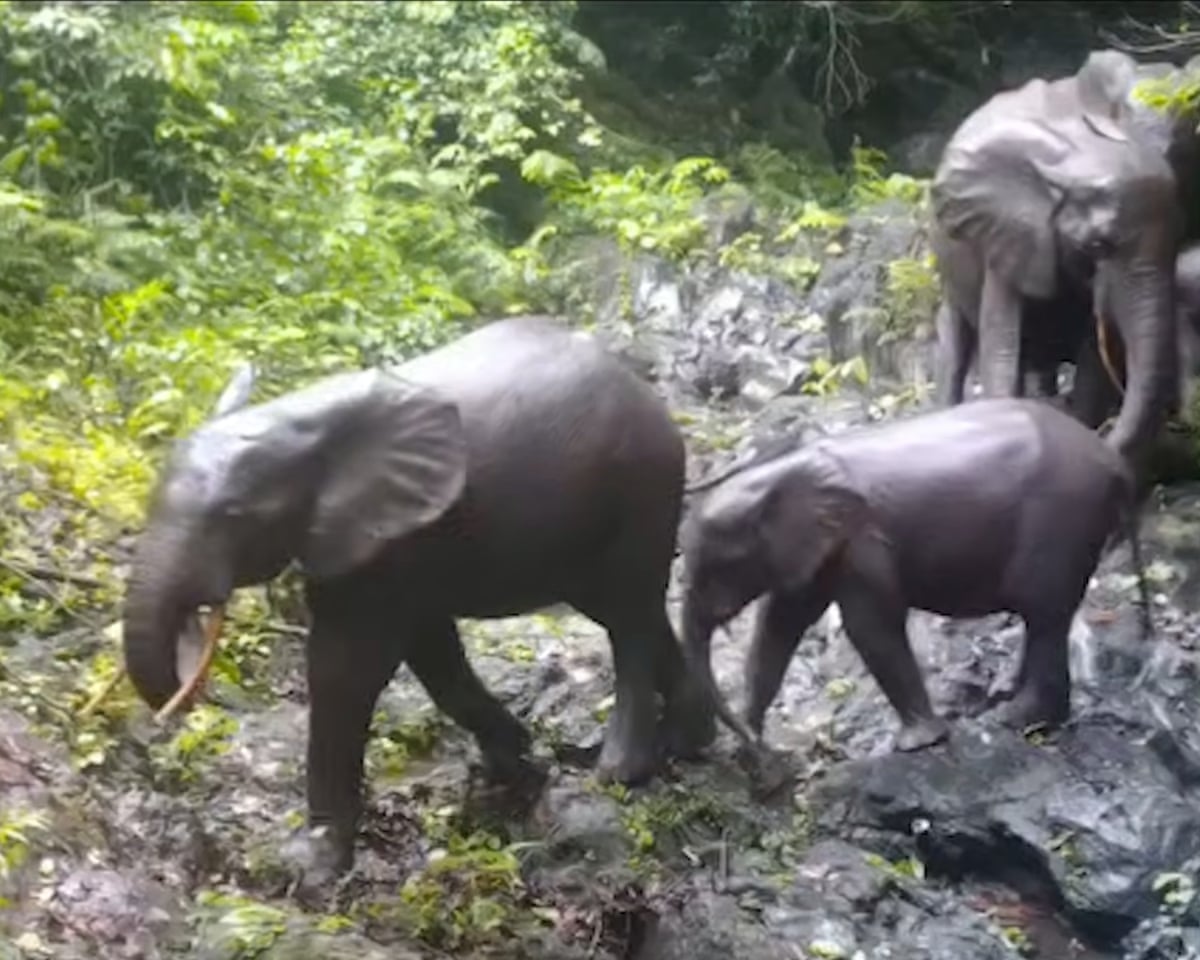
Public sympathy for armed protection of tusked males has grown since Kavantissa's death. Tuskers, as they are commonly called, represent a small share of the Asian elephant population. A 1999 survey in Sri Lanka found that only around 7.5 percent of males carry tusks. The advocacy group Wild Tuskers Sri Lanka has catalogued 300 individual tuskers over the past decade and recently flagged 17 as being at high risk because their territories overlap with human settlements, according to member Chandika Lakshan. Detailed profiles of those 17 animals have been handed to government and military officials.
Experts urge a broader approach
Wildlife scientists have pushed back against the idea of stationing soldiers next to individual elephants. Manori Gunawardena, a scientist at the Environmental Foundation Limited, noted that Sri Lankan elephants move through densely farmed landscapes, making one-to-one physical guarding impractical. She added that local ivory loss is mostly a byproduct of human-elephant conflict rather than organized international trafficking.
Gunawardena emphasized that protecting the ecological conditions herds need so tusker calves and juveniles can reach adulthood is the fundamental step. That, she said, requires adequate habitat and inclusive, evidence-based strategies to ease conflict between people and elephants.
Hemantha Withanage, a senior adviser at the Centre for Environmental Justice, recommended that law enforcement concentrate on intelligence work instead of assigning a guard to every identified tusker. He pointed to the ongoing use of jaw bombs, in which poachers scatter explosive-filled bait balls to kill wild boar and other animals for meat. Elephants that consume these devices suffer severe injuries and prolonged deaths. Withanage argued that military intelligence units are well placed to disrupt the illicit supply of explosives used to make the devices.