Insects and pollinators
Beetle larvae identified in blueberry root damage
North Carolina researchers used genetic barcoding to pinpoint longhorn beetle larvae that feed beneath the soil, posing risks to fruit bushes.
Reported by ScienceDaily · · 1 min read
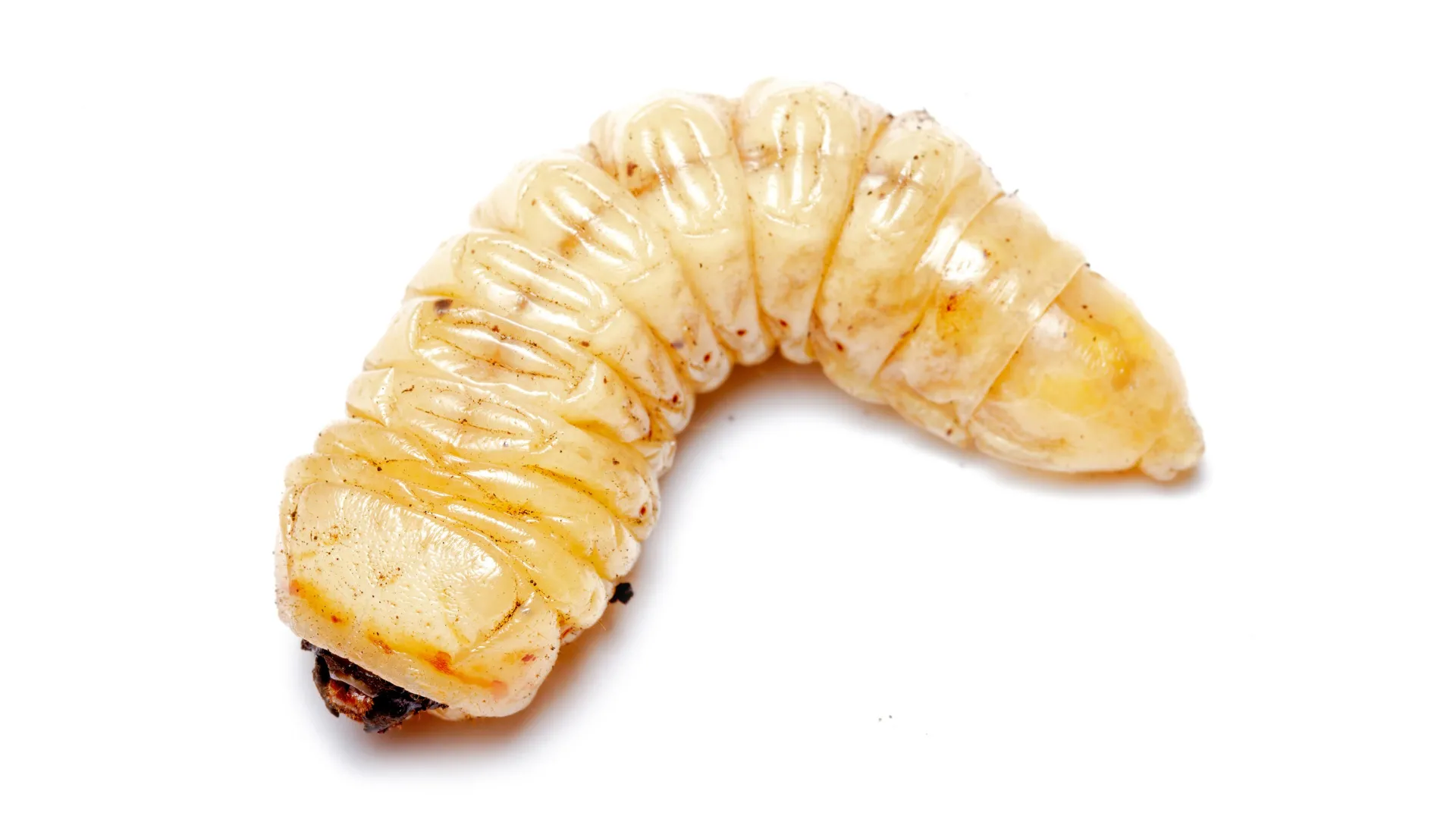
Agricultural researchers in North Carolina have resolved a decade-old mystery by pinpointing the specific insect feeding on blueberry plant roots. The culprit is Prionus imbricornus, a variety of longhorn beetle whose subterranean young can weaken and ultimately destroy entire bushes.
Female beetles deposit clutches in dirt near tree bases, and upon emerging, the grubs begin chewing subterranean plant structures. While mature specimens possess conspicuous antennae and do not consume nourishment, the immature grubs can expand up to five inches before completing their development.
Growers in the region first noticed unconfirmed Prionus grubs damaging blueberry fields around 2010. Determining the precise species proved difficult because the grubs remain hidden under the soil surface and closely resemble other related wood-boring varieties. Lead investigator Kenneth Geisert explained that previous assumptions based solely on visible adult beetles risked mismatched control tactics that could endanger non-target organisms.
To confirm the pest, the investigation monitored six commercial fields scattered across Bladen, New Hanover, Pender, and Sampson counties. Scientists deployed dark panels treated with mating pheromones to capture grown beetles. They then extracted genetic samples from collected grubs and utilized DNA barcoding, discovering a genetic match between 98 and 99 percent to confirmed adult specimens.
The findings, published alongside museum director Gareth Powell in the Journal of Integrated Pest Management, present fresh hurdles for local agriculture. Co-author Lorena Lopez pointed out that although identifying the insect is a vital milestone, regulators have not yet approved any commercial chemical products specifically labeled for handling this beetle in blueberry production.
Lopez and her colleagues are now evaluating chemical options and attempting to align treatments with the insect's natural breeding patterns. Specialists hope that disrupting life cycles before grubs establish themselves underground will offer farmers a reliable defense against root destruction.


