Insects and pollinators
Tiny trapdoor spider carries genome larger than human DNA
Researchers in California have sequenced the genetic code of a dune spider named after Stephen Colbert, uncovering vast amounts of repetitive sequences.
Reported by ScienceDaily · · 2 min read
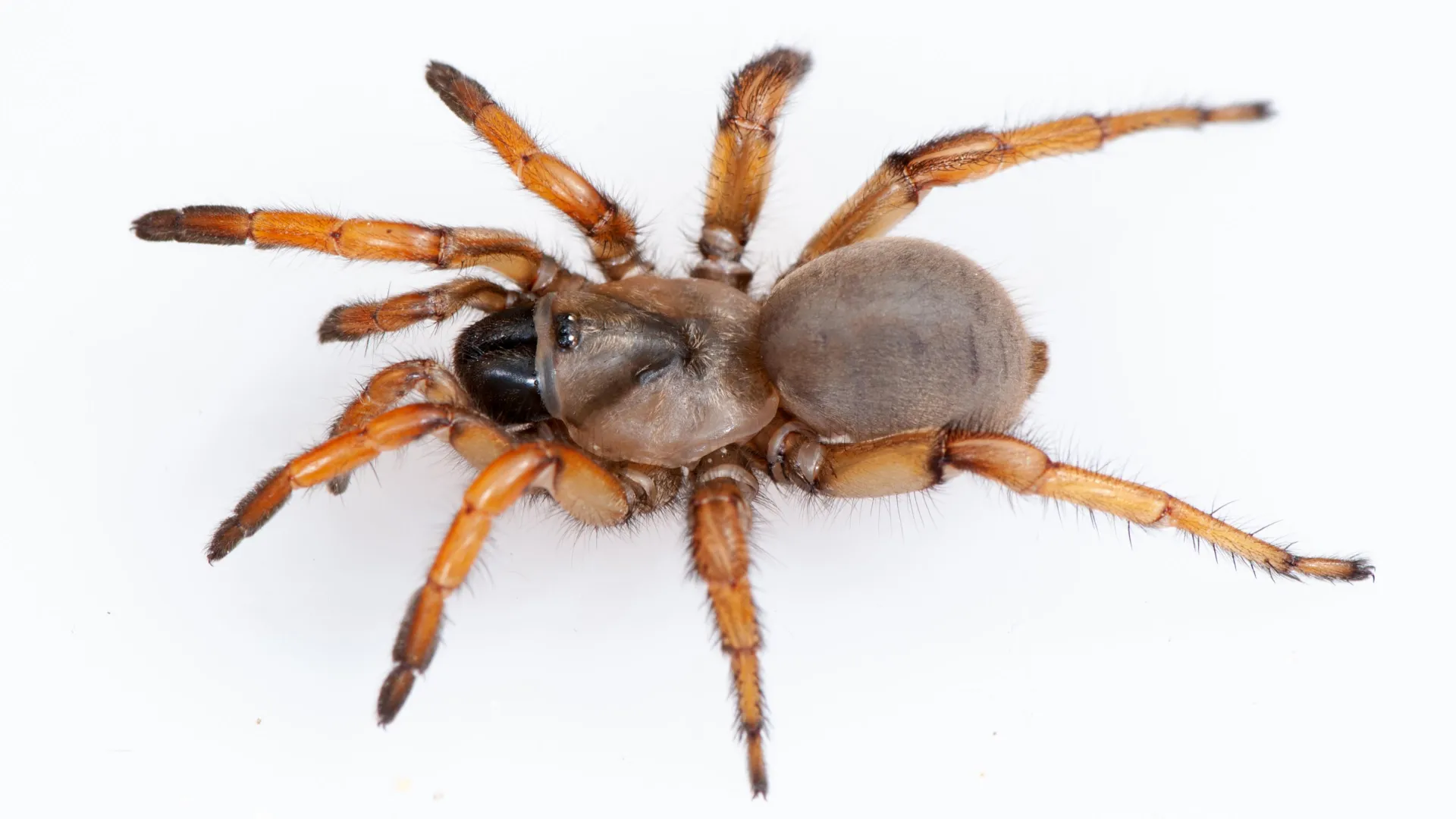
A diminutive trapdoor spider native to California coastlines holds an unexpected biological secret. Known scientifically as Aptostichus stephencolberti, the coin-sized arachnid possesses a genome roughly half again as large as that of a human being. The findings, published in the Journal of Heredity, mark the first time geneticists have fully mapped the genetic code of an organism within this spider family.
The creature resides exclusively along coastal sand dunes between Monterey and the San Francisco Bay area. Concealed within silk-lined underground tunnels beneath the sand, female specimens spend their whole lives waiting for passing prey. When ground vibrations signal approaching insects, the predator quickly opens a camouflaged hinged doorway to seize its meal before retreating below.
Surprising chromosomal structure
Despite its modest physical dimensions, the spider carries 4.6 billion base pairs across 52 chromosomes, exceeding the 46 chromosomes typical in people. Researchers at institutions such as the University of California, Davis determined that roughly 77 percent of this genetic architecture consists of duplicate sequences repeated numerous times. Moreover, the chromosomes omit the conventional telomere structures found in vertebrates, a peculiarity that might explain why arachnid chromosomes appear to mutate relatively quickly.
The arachnid earned its scientific moniker following a 2008 television broadcast. After discovering that lead researcher Jason Bond had previously honored musician Neil Young with a spider name, television host Stephen Colbert campaigned on his program to receive a similar namesake. Bond obliged by dedicating this subterranean dune dweller to the comedian.
Conservation and medical potential
The sequencing effort was conducted under the state-backed California Conservation Genomics Project. Because these arachnids rarely migrate away from their nesting sites, separated groups face severe vulnerabilities from climbing ocean tides and non-native competitor species. Scientists anticipate that genomic data will assist in identifying fragmented colonies requiring priority protection. In addition, experts note that examining chemical compounds within little-understood spider toxins may provide clues for agricultural pest treatments or new pain-relieving medicines.


