Ocean life
Falklands offshore oil project sparks wildlife concerns
Conservation groups warn that planned deepwater petroleum drilling north of the archipelago puts whales, seals, and vast seabird colonies at risk.
Reported by The Guardian · · 2 min read
A proposed deepwater extraction venture situated to the north of the archipelago has triggered alarm among conservationists, who warn that energy operations could imperil a vital ecological sanctuary in the southern ocean. Known as the Sea Lion initiative, the undertaking involves sinking dozens of offshore wells into oceanic feeding territories shared by cetaceans, pinnipeds, and vast flocks of ocean-going birds.
Jointly pursued by Navitas Petroleum and Rockhopper Exploration, the venture envisions tapping undersea reserves using floating processing infrastructure capable of handling tens of thousands of barrels daily. Opponents contend that even standard industrial activity generates chronic disturbances, such as artificial illumination, machinery noise beneath the surface, waste disposal, and heightened shipping traffic that elevates strike hazards for migrating mammals.
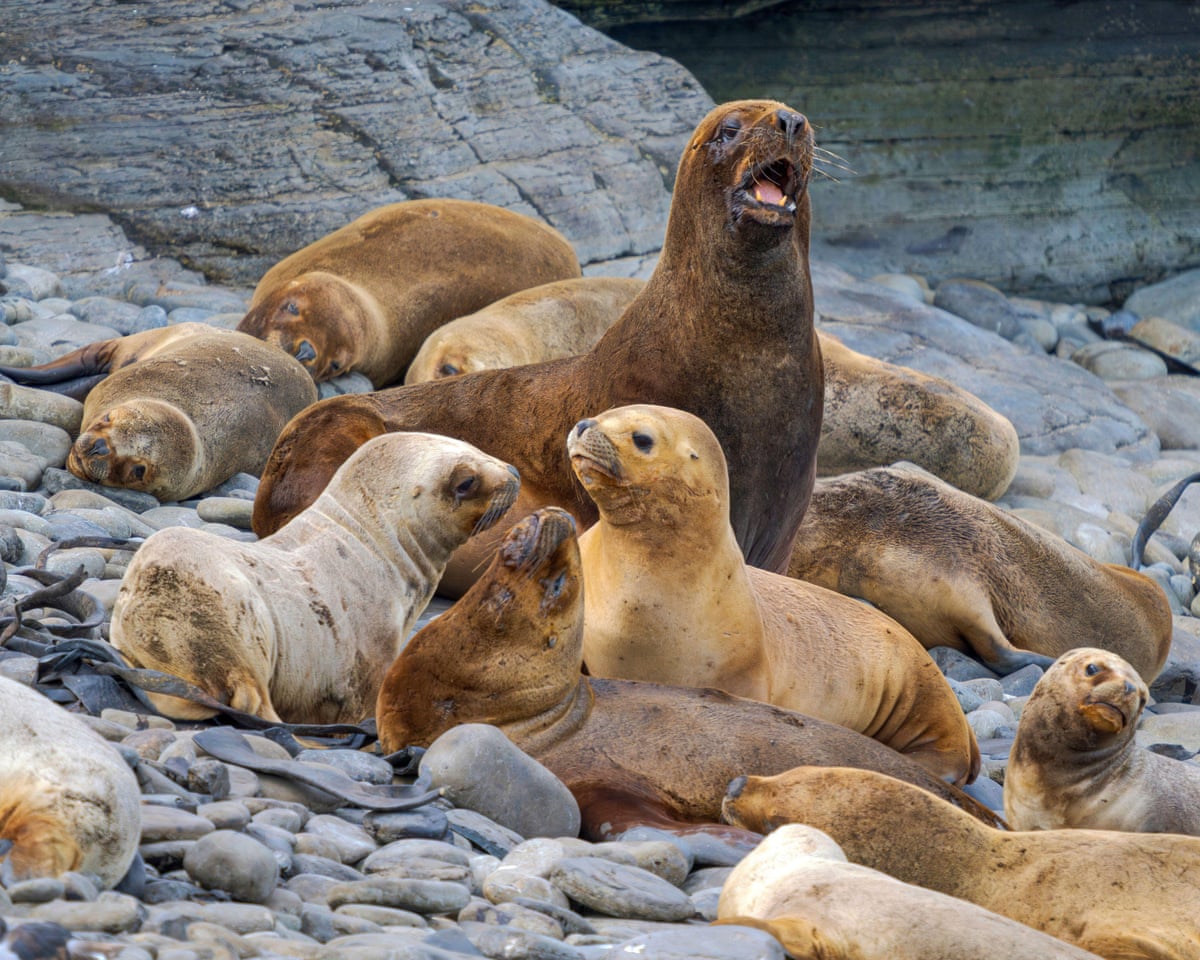
The surrounding Patagonian shelf draws substantial concentrations of oceanic fauna due to nutrient-dense subantarctic currents. Academic tracking studies demonstrate that the remote territory shelters significant proportions of the planet's black-browed albatrosses, slender-billed prions, and multiple penguin varieties. In addition, southern right whales roam alongside elephant seals and sea lions across these productive waters, irrespective of maritime borders.
Local advocacy groups, including Falklands Conservation, have challenged the environmental filings submitted for regulatory approval, noting that key surveys regarding avian distribution rely on documentation several decades old. Good practices in other petroleum basins typically require ecological assessments completed within recent seasons to reflect shifting oceanic patterns accurately.
Environmental attorneys and researchers emphasize that any catastrophic blowout would prove devastating to wildlife, as crude contamination destroys the thermal insulation provided by feathers and pelts. Company evaluation models noted that severe weather could severely impede mitigation efforts, estimating that mechanical skimmers might gather less than seven percent of released crude during an underwater rupture.
Legal challenges launched in South America have attempted to pause operational permits, while company representatives have deferred detailed public answers until pending international boundary arbitrations conclude. Meanwhile, biological defenders maintain that continuing with heavy offshore extraction without refreshed scientific evaluations presents an unacceptable hazard to fragile marine populations.