Reptiles and amphibians
Ancient blood molecules discovered in dinosaur fossil
Researchers detected preserved hemoglobin components inside the mineralized red blood cells of a predatory dinosaur unearthed in northeastern Brazil.
Reported by ScienceDaily · · 1 min read
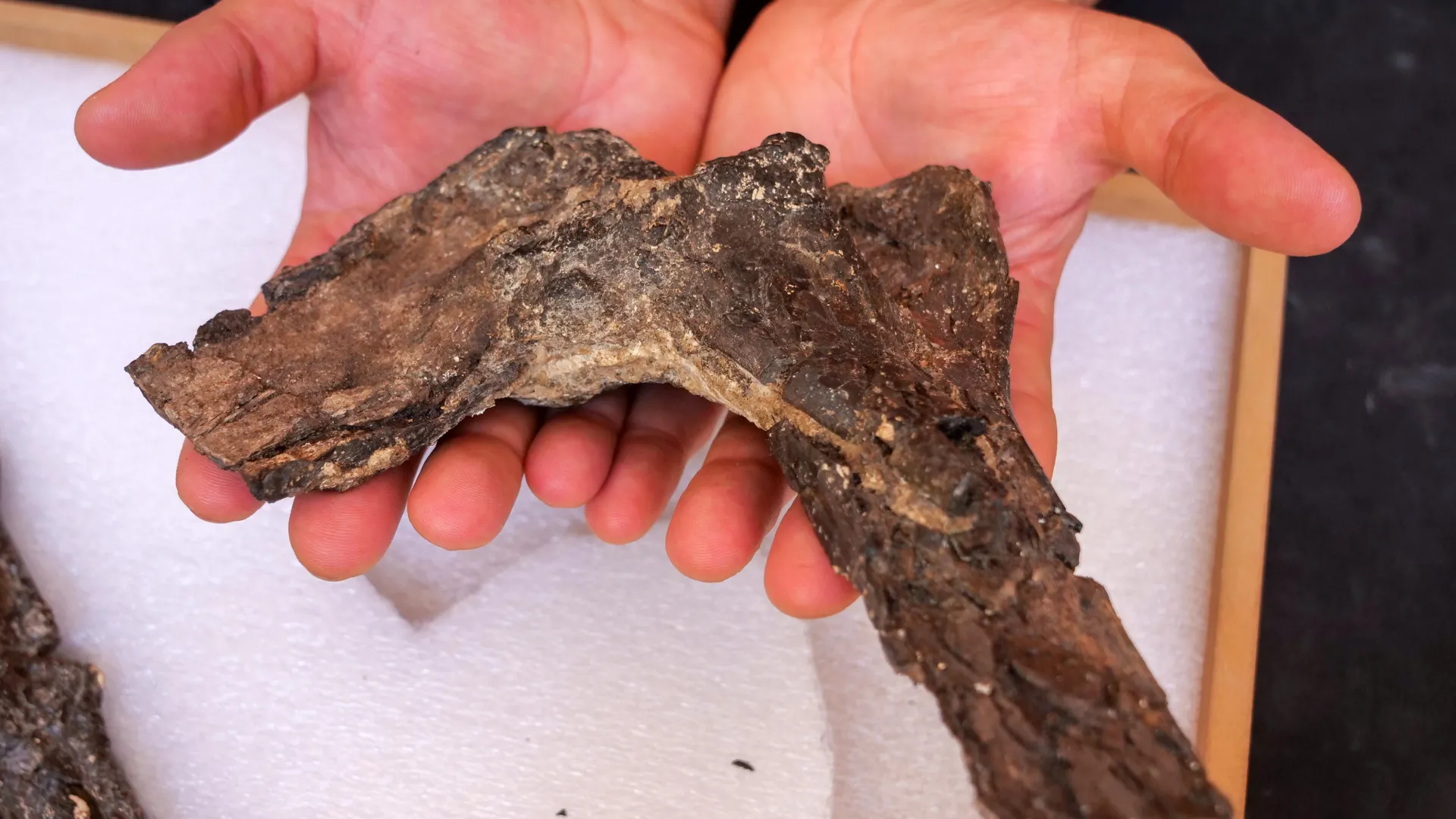
Paleontologists examining the fossilized remains of a theropod dinosaur have identified chemical remnants of blood that endured across 115 million years. The fossil, belonging to the meat-eating species Aratasaurus museunacionali, was recovered in northeastern Brazil and contained red blood cells alongside amino acids linked to collagen.
Published in journal proceedings of the National Academy of Sciences, the investigation provides the earliest confirmed chemical identification of hemoglobin-related compounds inside fossilized cells. While past inquiries had observed cell-like shapes in petrified dinosaur material, researchers had not previously demonstrated conclusive molecular traces of blood within them.
Protective mineral environment shields ancient cells
The biological material was detected inside vascular passages that originally held blood vessels within the animal's limbs. Chemical evaluations revealed surviving heme particles, which are key parts of the oxygen-transporting protein hemoglobin. According to the research team, a mineral called hausmannite helped stabilize the microscopic cells and preserve their molecular components over vast geological periods.
Environmental factors surrounding burial also contributed to the rare preservation. Scientists suspect the dinosaur was swiftly entombed beneath sediments in an oxygen-depleted setting featuring substantial microbial activity. These conditions prevented the delicate organic matter from breaking down and disappearing.
Lead researcher Kliti Grice of Curtin University noted that identifying heme-derived compounds in such ancient cells provides direct molecular insight into the biology of prehistoric animals. She explained that the outcome overturns long-held paleontological assumptions regarding how long blood molecules can persist.
Colleague Martin Van Kranendonk indicated that the work could also assist astrobiologists searching for signs of past life in extraterrestrial environments. If fragile biomolecules can endure for over 100 million years under specific settings, scientists may reconsider how and where they seek evidence of ancient organisms.