Ocean life
Arabian Sea humpback whales may form distinct subspecies
A genetic survey shows isolated Arabian Sea humpbacks diverged millennia ago and face severe survival threats from shipping and fishing.
Reported by Mongabay · · 1 min read
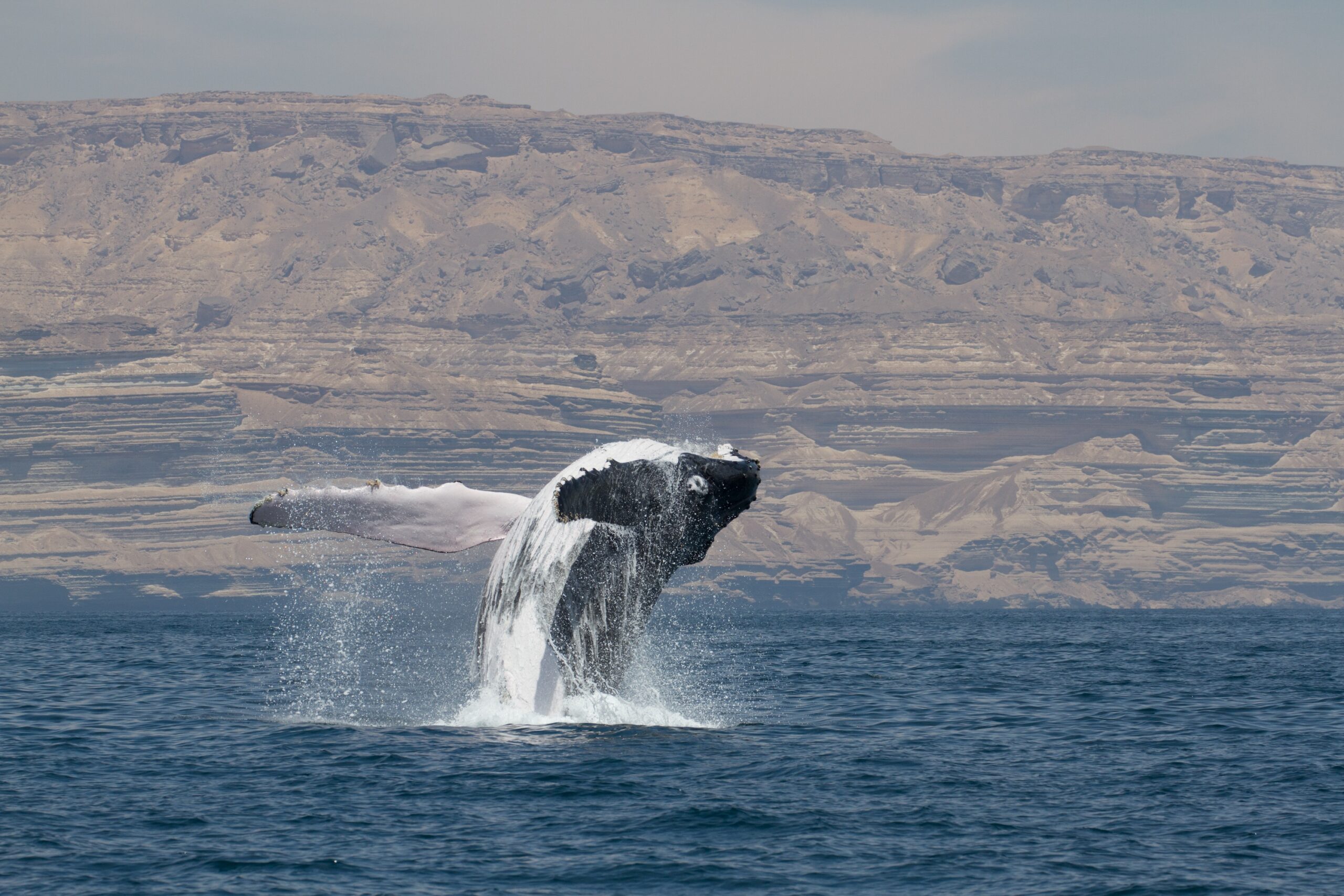
A recent genetic investigation indicates that humpback whales residing within the Arabian Sea likely represent an independent subspecies. Researchers determined that these marine mammals developed separately over tens of thousands of years, setting them apart from all other known groups.
Standard humpback populations travel between tropical breeding zones and chilly polar feeding areas. In contrast, the Arabian Sea group stays in tropical and subtropical settings through every season. Scientists note that coastal upwelling generates chilled, nutrient-dense water for foraging alongside warm, sheltered zones suitable for reproduction and calf rearing.
Investigators reviewed maternal mitochondrial DNA gathered from 2,285 whales worldwide, incorporating samples taken along the coast of Oman. The resulting data demonstrated notable divergence alongside the lowest recorded genetic variation across global marine basins. Estimates suggest this lineage split from other stocks between 43,000 and 113,000 years ago.
Threats and cross-border protection
Prolonged separation leaves these animals particularly susceptible to extinction. Classified as an endangered subpopulation on the IUCN Red List, their numbers remain limited without documented gains over the last twenty years.
Photographic records indicate that roughly two out of every three individuals documented near Oman display scars resulting from entanglement in fishing equipment. Heavy vessel traffic introduces further hazards, including ship collisions and disruptive underwater sounds.
To counter these hazards, the International Whaling Commission approved a regional Conservation Management Plan. The framework seeks to foster joint initiatives among maritime transport firms, fisheries, public authorities, academic institutions, and conservation groups across neighboring countries to track numbers and curb ongoing risks.