Wild mammals
UK youth breed harvest mice at home for release
A project led by teenagers invites children in Devon to raise captive harvest mice to help rebuild wild populations facing steep decline across Britain.
Reported by The Guardian · · 1 min read
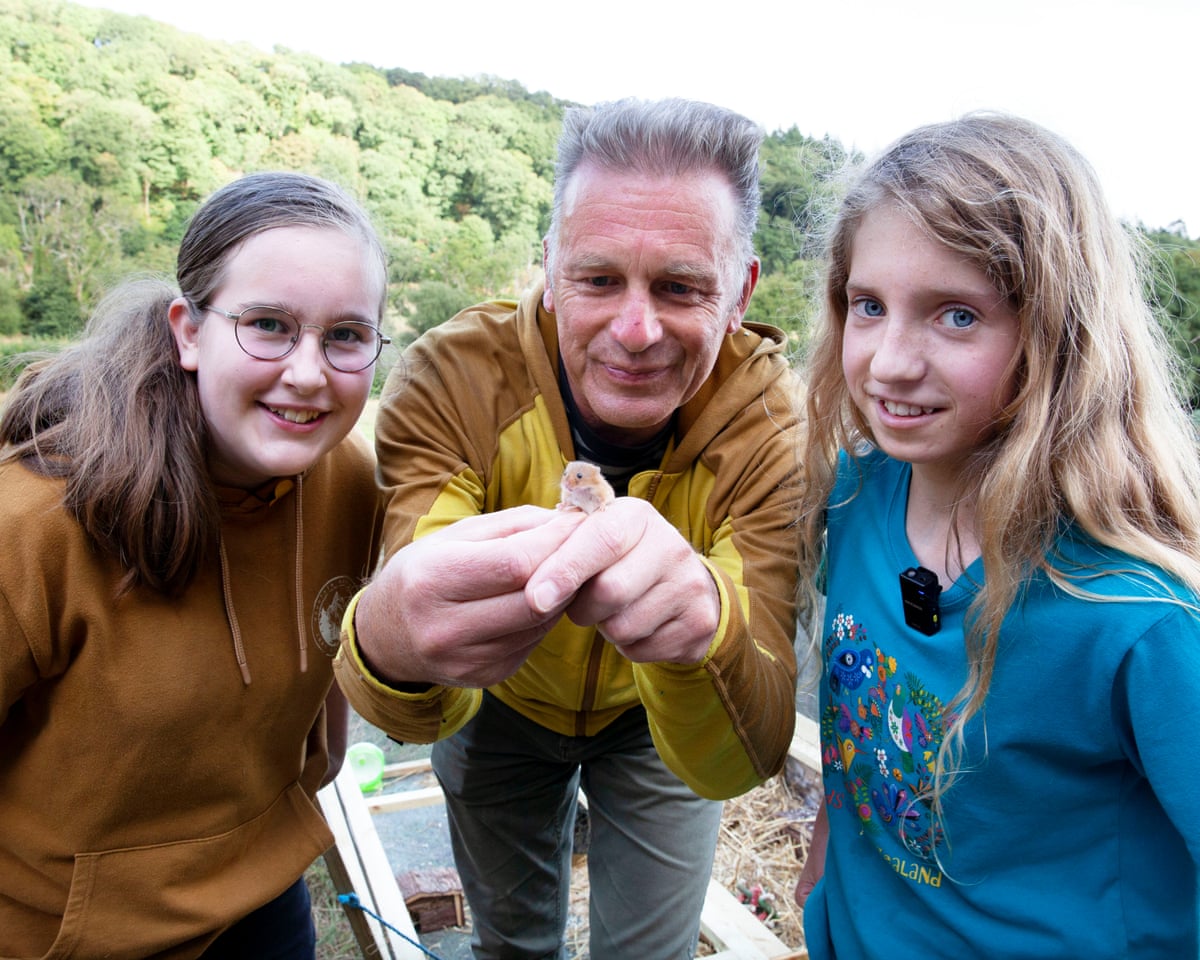
Two teenage conservationists in Devon, England, have started an initiative that invites young people to raise harvest mice inside their homes before releasing them into natural habitats. The program aims to bolster local populations of the tiny rodent, which has suffered significant losses across Britain.
The initiative, known as Wild Pets, was created by 14-year-olds Eva Wishart and Emily Smith. After successfully rearing hundreds of harvest mice inside garage tanks, the pair freed them onto a local nature reserve. Surveys later revealed that the rodents had successfully bred, evidenced by distinctive ball-shaped grass nests woven in tussocky vegetation.
Community breeding effort
Now expanding the effort, the founders are looking for 20 children between eight and 13 years old to serve as domestic breeders. Selected participants will receive a breeding pair alongside necessary supplies after attending an instructional workshop at ecologist Derek Gow's rewilding site. Organizers aim to liberate 250 mice by September.
Harvest mice represent the smallest indigenous rodents in the United Kingdom and are uniquely equipped with prehensile tails used to ascend grass stalks. Agricultural expansion and intensified farming methods have sharply curtailed the meadows and scrubby margins where these animals typically flourish.
Wishart first began multiplying the animals when she was 10, initially driven by sympathy for caged household pets and wider biodiversity declines. Her initiative later achieved runner-up status in Prince William's youth Earthshot competition, securing financial support from conservation trusts and local council funding.
Participants noted that hands-on ecological stewardship helps ease emotional distress surrounding ecological decline. The organizers hope that after completing this initial rodent project, similar captive breeding schemes can be established for other vulnerable native creatures, including common lizards, glowworms, and stag beetles.