Ocean life
Traditional lave net salmon fishery faces collapse
Ancient Welsh fishing practices struggle to survive amid steep salmon population declines and strict regulatory measures on the Severn estuary.
Reported by The Guardian · · 2 min read
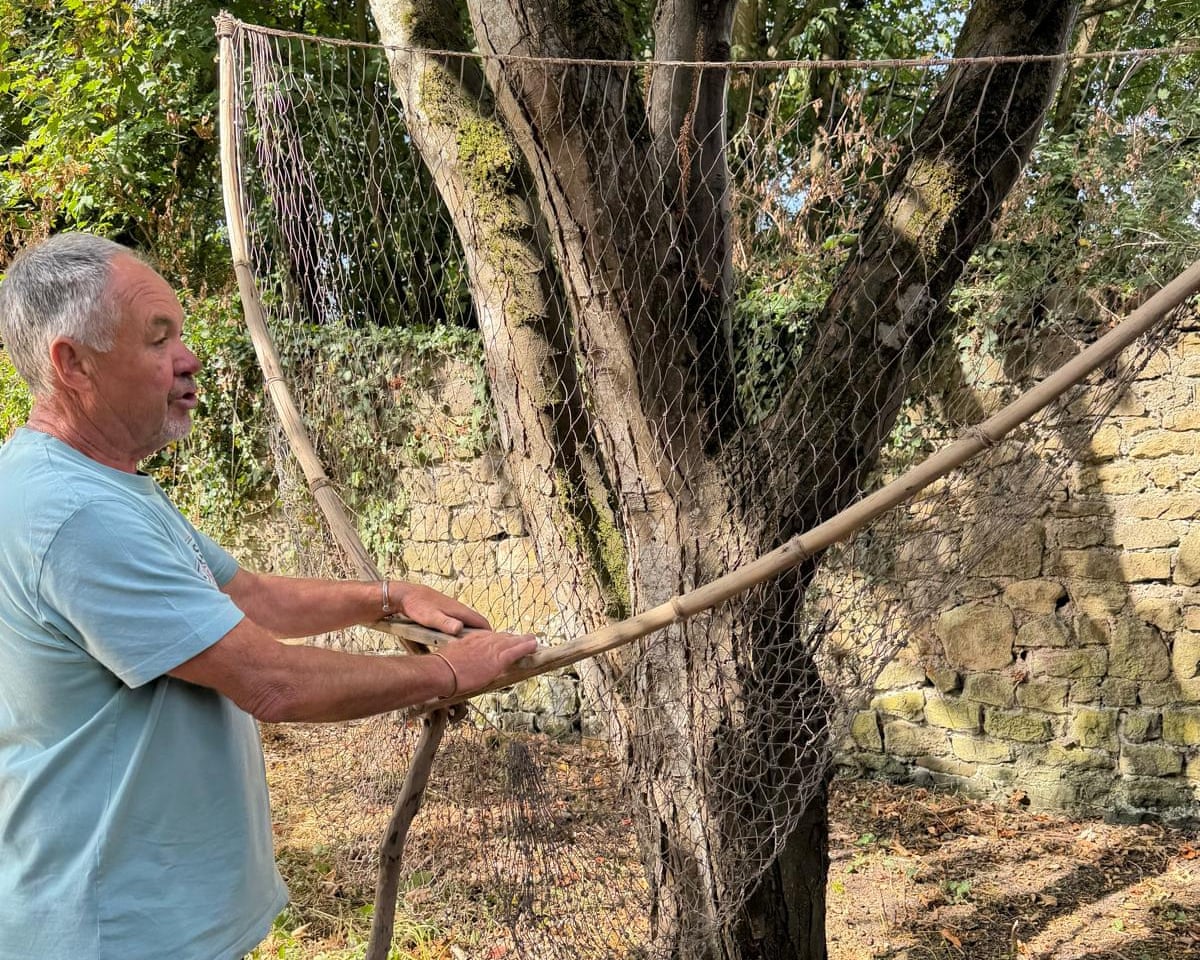
On the Welsh side of the Severn estuary, an ancient approach to catching fish has reached a critical crossroad. In Portskewett, Monmouthshire, local practitioners of lave net fishing report that the long-standing craft is rapidly vanishing as migratory salmon populations struggle to recover in local waterways.
Lave netting relies on a specialized, collapsible Y-shaped wooden framework fitted with a woven mesh. Fishers wade directly into the powerful, shifting tides of the channel, using a sturdy handle to navigate the seabed. By extending flexible arms crafted from willow and pine, they submerge the net and monitor the mesh by hand, waiting to feel the physical tremor of a passing salmon, flounder, or mullet.
According to Martin Morgan, secretary of the Black Rock Lave Net Fishery, the heritage method has been utilized across local waters since the seventeenth century. His family has maintained an active role in the fishery for more than a century, operating in the tidal stretches situated between the two Severn bridges.
Plummeting fish numbers
Despite centuries of continuous practice, environmental changes have taken a severe toll on the activity. Fishery records indicate that no salmon have been captured with lave nets since 2019, reflecting broader ecological pressures across regional river basins. Participation in the fishery has plunged by 80 percent since 2020, driven by the absence of fish, an aging workforce, and an inability to attract younger apprentices.
In addition to dwindling fish runs, remaining practitioners cite strict conservation rules imposed by Natural Resources Wales as a contributing factor in the fishery's decline. Local fishers contend that regulatory limits place undue burdens on low-impact traditional practices rather than resolving underlying habitat challenges.
Fishery advocates emphasize that wild salmon stocks cannot stage a meaningful recovery until surrounding river ecosystems improve enough to support sustainable populations. For now, the few remaining netters fear that centuries of riverfront heritage could soon disappear entirely from the estuary.