Ocean life
Toxic bloom kills thousands of Australian sharks and rays
A deadly marine event off South Australia wiped out over 8,000 elasmobranchs, threatening endemic species and disrupting local coastal ecosystems.
Reported by The Guardian · · 2 min read
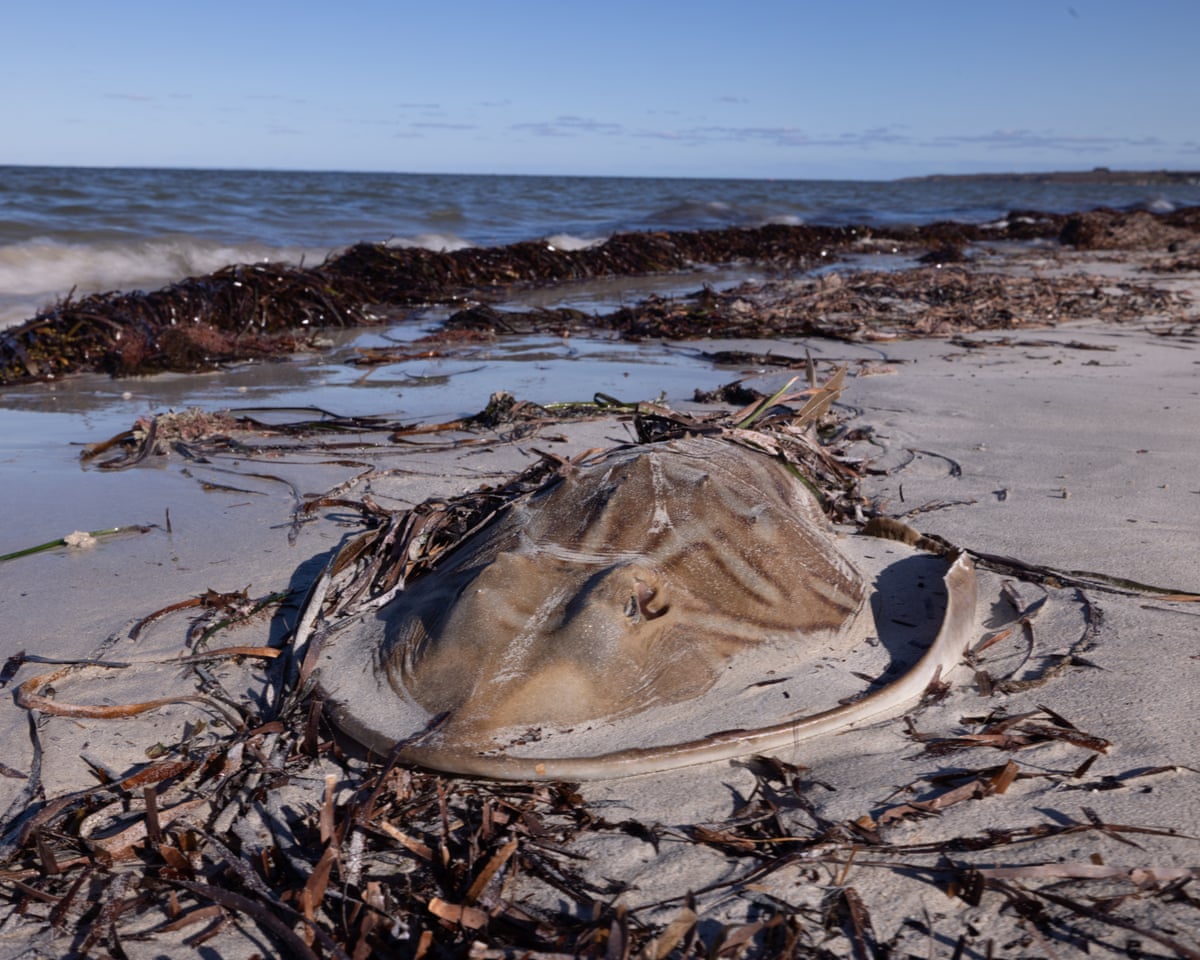
A toxic algal bloom off the coast of South Australia has wiped out over 8,000 sharks, rays, and skates in what researchers consider the largest documented die-off of these fishes worldwide. The environmental disaster, which began in March 2025, represents the first recorded outbreak in the country of Karenia cristata, an uncommon microalgae known to be lethal to sea life.
An investigation of public records and citizen-science observations, directed by marine ecologist Janine Baker, logged fatalities across 31 distinct species. Confirmed casualties included about 4,460 southern fiddler rays alongside 850 Port Jackson sharks. Observers also counted 670 cobbler wobbegongs as well as 650 western shovelnose rays.
The victims spanned a broad variety of sizes, from plate-sized stingarees to massive predators such as bronze whalers and white sharks. Several endangered and endemic varieties were among the casualties, such as the coastal stingaree and pygmy thornback skate, both found nowhere else on Earth, along with the vulnerable Melbourne skate.
Flinders University ecologist Professor Charlie Huveneers warned that the event may have provoked the collapse of several local marine populations. Unlike migratory groups on the eastern coast, some South Australian Port Jackson sharks remain stationary throughout the year, leaving them directly exposed to toxic conditions. Both juvenile and mature specimens showed evidence of fluid pooling beneath the skin and hemorrhaging.
Sharks and rays represented only a portion of the broader devastation, with more than 800 marine creatures impacted. Divers and community observers registered substantial losses among sea dragons, seahorses, pipefish, and giant cuttlefish. Macquarie University researcher Professor Culum Brown remarked that the outbreak disturbed the marine ecosystem across every level of the food chain.
Experts stress that the recorded figures probably underestimate the actual losses, as offshore mortalities and unhatched eggs were omitted from the tally. The state environment agency is now concluding a formal review of nearshore biodiversity to guide ecological restoration efforts and design ongoing monitoring.