Ocean life
Pemba Island expands protection for marine species
Local fishers and conservation groups in Zanzibar created two marine protected areas covering 1,300 square kilometers of coastal waters.
Reported by Mongabay · · 2 min read

Local fishing communities on the eastern side of Pemba Island, located in Tanzania's Zanzibar archipelago, have joined forces with government leaders and conservation groups to establish two new marine protected areas. The grassroots initiative began after local residents experienced years of diminishing catches and sought a sustainable strategy to restore vulnerable aquatic habitats.
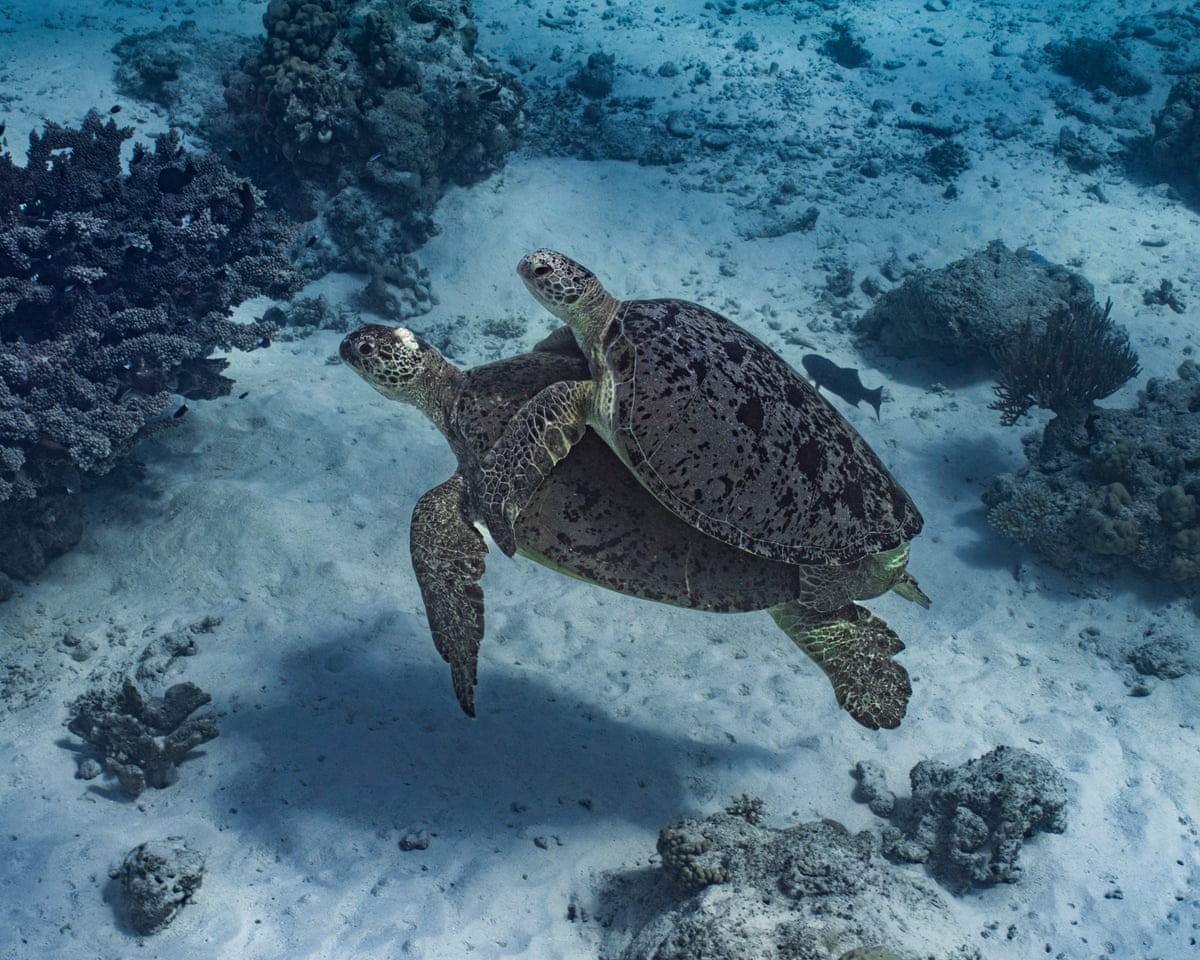
Officially gazetted in June 2026, the North-East and South-East marine conservation zones collectively encompass 1,300 square kilometers, or roughly 502 square miles. The protected regions shield critical coastal ecosystems, including seagrass meadows, mangrove forests, and vibrant coral reefs. These habitats shelter various threatened species, such as the reef manta ray, alongside commercially important species like yellowfin tuna.
Local Management and Conservation Measures
Community interest grew after observing the recovery of marine life triggered by a conservation site created on the western side of Pemba in 2005. To replicate that success, local fisheries committees partnered with the Department of Blue Economy and Fisheries in Tanzania as well as non-governmental organizations, including the Wildlife Conservation Society, Blue Alliance, and Mwambao.
Together, the partners designed management boundaries and implemented essential environmental safeguards. The rules feature designated no-take zones, temporary seasonal bans during spawning periods, and restrictions on harmful fishing equipment such as spear guns and fine-mesh nets. Local residents also restricted destructive trampling from unregulated seaweed farming and instituted village by-laws to enforce compliance.
Patrol Expansion and Economic Support
Co-management is central to the ongoing protection of these waters, with local committee members helping oversee day-to-day operations and licensing. Women make up roughly 30 percent of these committee seats and are increasingly engaging in aquaculture and fish processing roles.
According to representatives from Blue Alliance, regular patrols across the protected waters have surged by more than 50 percent, contributing to an estimated 45 percent drop in illegal fishing. To offset short-term income losses caused by seasonal closures, conservation groups and government officials are helping residents diversify into eco-tourism and sustainable seafood enterprises.