Reptiles and amphibians
Simple hygiene can shield Australia's wild reptiles
Researchers warn that handlers might spread deadly fungal pathogens across habitats and urge basic biosecurity measures such as washing field equipment.
Reported by Phys.org · · 1 min read

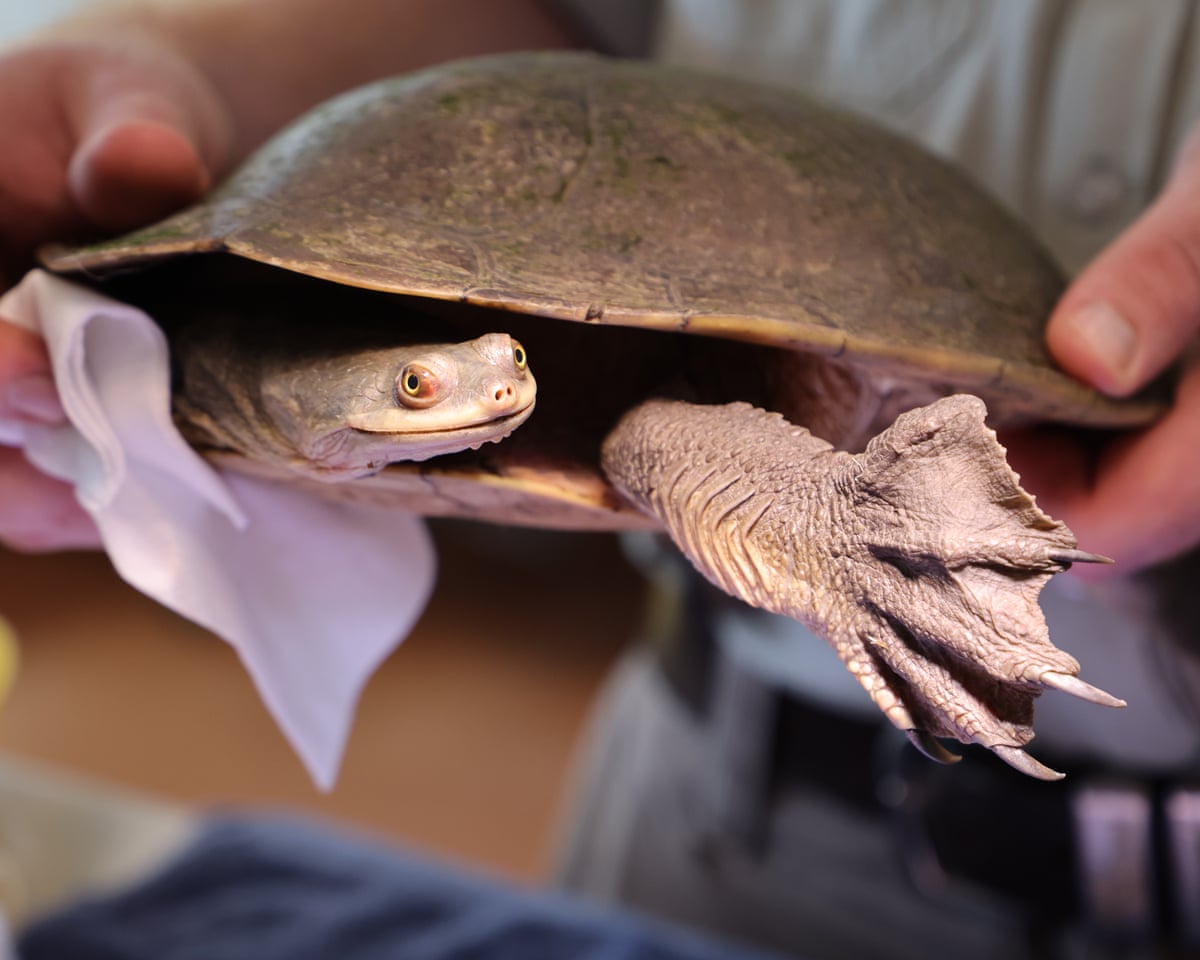
As spring temperatures rise across Australia, reptiles become more active in residential neighborhoods, bushland, and parks. This seasonal movement leads to frequent encounters with wildlife rescuers, licensed snake removers, field researchers, and reptile hobbyists. However, scientists caution that humans moving between different locations could accidentally transport dangerous fungal pathogens that threaten native species.
Several harmful fungi have already been identified in wild populations, notably Ophidiomyces ophidiicola, responsible for snake fungal disease, and Nannizziopsis barbatae, which targets eastern water dragons as well as carpet pythons. These infections trigger severe skin complications, disrupt normal skin shedding, and cause fatal emaciation. Around the globe, snake fungal disease has already contributed to declining snake populations.
Experts point out that infected animals do not always display visible symptoms. Reptiles might tolerate the fungus, be in the early stages of infection, or have recently overcome the illness while continuing to shed spores. Furthermore, these organisms can endure in soil and decaying debris. A study on water dragons in Brisbane revealed that environmental contamination posed a greater transmission risk than direct contact between individual lizards.
Because handlers frequently travel between sites in short timeframes, contaminated boots, capture bags, and hooks can easily transfer spores to uninfected habitats. While clear biosecurity protocols exist, routine sanitization remains rare outside of specialized conservation initiatives. Researchers note that human travel previously helped spread the deadly amphibian chytrid fungus into remote frog habitats.
To minimize these hazards, scientists recommend adopting straightforward and inexpensive hygiene habits. Handlers can carry disinfectant spray bottles, replacement bags, clean gloves, and washing brushes in their fieldwork kits. Organizations and tour operators are also encouraged to provide cleaning stations, ensuring that wildlife management supports long-term reptile conservation.