Birds
Puffins face mounting pressures from climate crisis
The beloved seabirds defend their prey with vigor, but shifting sand eels, avian influenza, and visitor disturbance endanger their nesting colonies.
Reported by The Guardian · · 1 min read
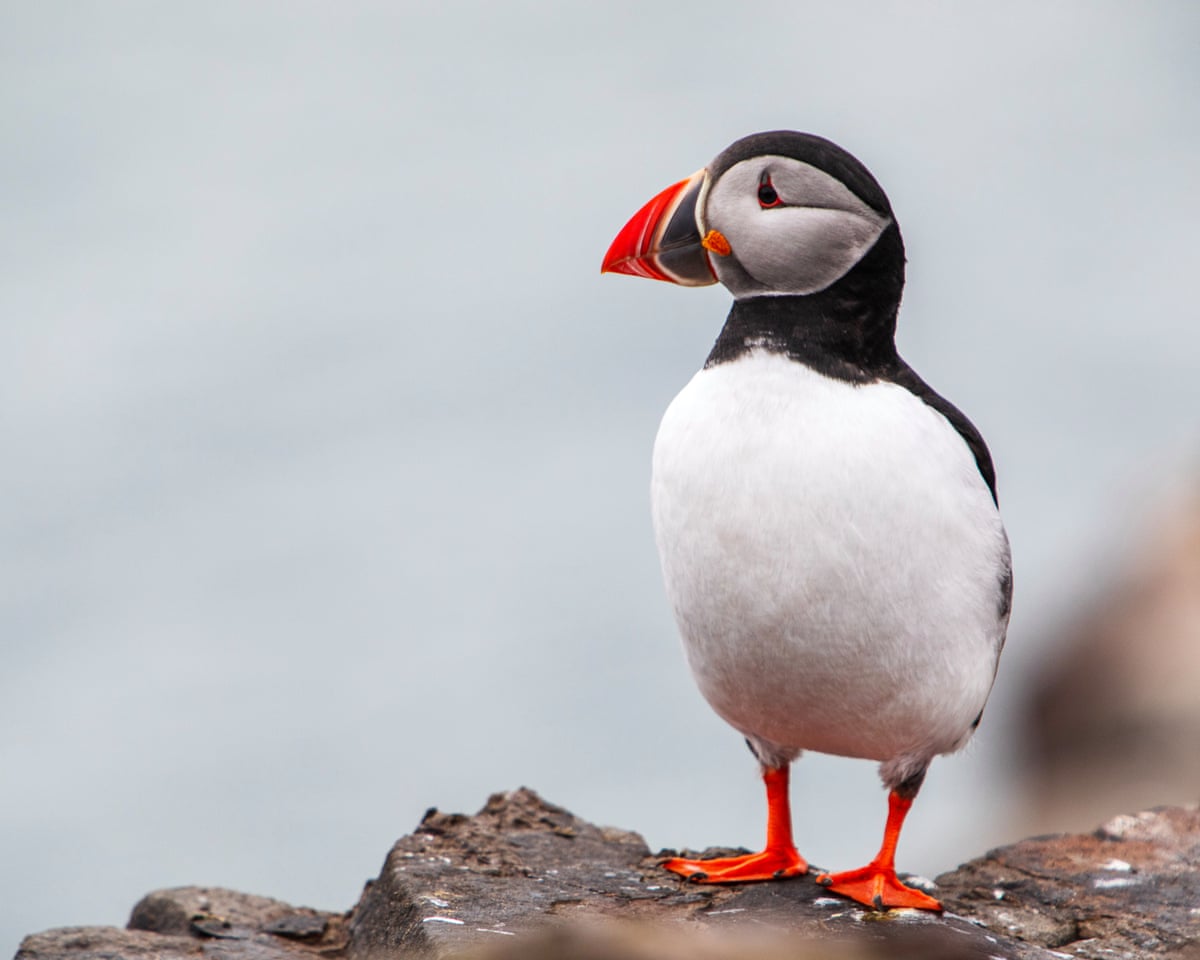
Puffins hold a special status as one of Britain's favourite birds alongside the robin, even though the vast majority of people have never seen one directly. During the spring and summer months, the birds congregate in massive, clamorous nesting colonies to breed. Once that season concludes, they spend the autumn and winter periods far offshore in the open North Atlantic.
Despite their modest size and gentle, clown-like appearance, puffins demonstrate fierce determination when protecting their food. They will actively fight off opportunistic and much larger predatory birds, such as gulls and skuas, attempting to steal their hard-earned catch of sand eels.
The seabirds also possess an endearing, human-like quality that observers frequently compare to penguins. During a filming expedition to a colony in Shetland, broadcaster Bill Oddie described the birds as resembling elderly gentlemen dressed in evening coats waiting outside a dining hall at a social club. Their formal scientific designation, Fratercula arctica, similarly translates to Arctic little brother.
The bird's distinctive anatomy has inspired various names over time. Due to their oversized, vibrant bills, puffins were once called sea parrots. Meanwhile, the term puffin, which signifies fat or swollen, was originally applied to the offspring of the Manx shearwater, a separate burrow-nesting seabird that confusingly still carries the scientific moniker Puffinus puffinus.
Today, puffins face mounting jeopardy shared by many seabird species across the region. Sand eels, which parent birds depend on to feed themselves and nourish their single chick, are shifting northward as a result of the climate crisis.
In addition to a shifting food supply, the birds face hazards from avian flu and pollution. Another source of harm comes from disturbance caused by visitors to breeding colonies who are overly eager to secure close-up photographs. The natural history and plight of the species are documented in Stephen Moss's book, The Puffin: A Biography.


