Birds
Penguin guano accelerates melting of Antarctic snow
A recent scientific investigation reveals that waste from penguin colonies nourishes blooms of green algae, causing polar snowpacks to thaw much faster.
Reported by The Guardian · · 1 min read
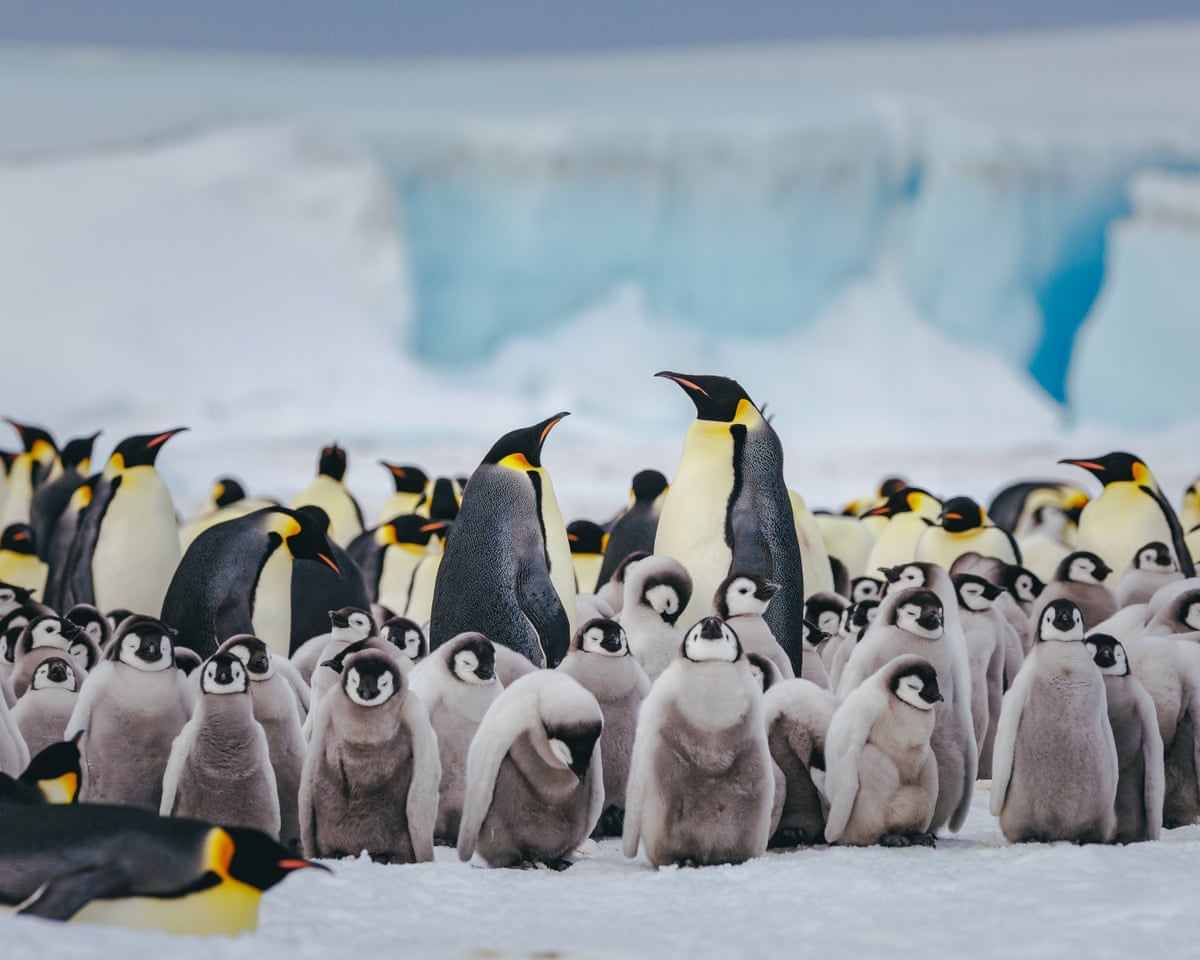
Waste deposited by penguins is speeding up the rate at which snow thaws across Antarctica, according to a recent scientific investigation. As warming conditions prompt these flightless birds to travel closer to the South Pole, scientists caution that this overlooked dynamic could expand across broader regions of the frozen continent.
The process centers on snow algae, microscopic single-celled organisms that inhabit frigid polar environments. During periods when essential nourishment is scarce, these tiny cells generate reddish pigments designed to guard against intense solar radiation and restrict biological activity.
When nutrients become plentiful, however, the organisms rapidly multiply and load their structure with green chlorophyll to stimulate photosynthesis. Patches of snow covered by flourishing green algae take in vastly higher levels of sunlight than those dominated by reddish varieties, triggering substantially accelerated melting.
Algae blooms fueled by guano
To investigate how bird waste influences these microscopic growths, Alia Khan and a research team from the University of Colorado collected specimens of both red and green snow algae along the coastal zone of the West Antarctic peninsula. The scientists gathered field samples from locations adjacent to active rookeries as well as areas completely free of penguin populations.
The findings, featured in the Journal of Geophysical Research: Biogeosciences, indicate that the birds spread their guano throughout surrounding icy plains as they move. This unintended distribution provides a steady nutrient supply that fosters extensive green algal carpets, thereby heightening the likelihood of surface snowmelt.
Current climate models tracking ice loss in Antarctica do not incorporate the impact of bird droppings. Nevertheless, specialists warn the ecological effect could prove considerable, especially if changing environmental conditions encourage penguin populations to shift their ranges further south.