Birds
Sea eagle reintroduction threatens UK seabird colonies
Birkhead argues that food-deprived UK seabird colonies are too fragile to absorb predation pressure from the newly returning raptor.
Reported by The Guardian · · 1 min read
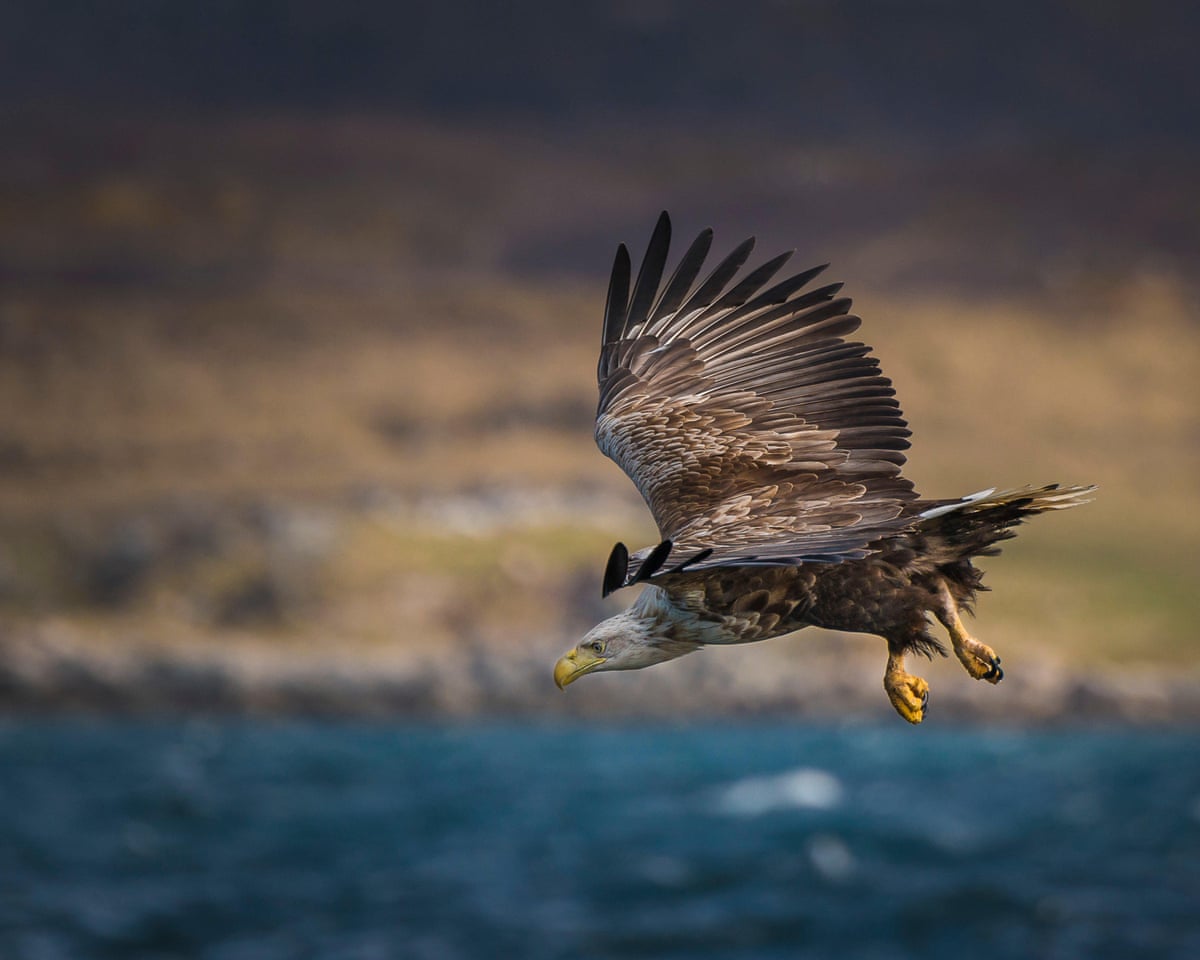
Tim Birkhead, an emeritus professor of ecology and evolution at the University of Sheffield, has raised what he calls an urgent alarm over the return of white-tailed sea eagles to the coasts of England and Wales. In a letter to the editor, the ecologist argues that the reintroduction programme poses a serious threat to Britain's already struggling seabird populations.
Birkhead is responding to a November 8 article that flagged the risk the raptor poses to coastal bird colonies, and to follow-up letters published on November 15 by Professor Ian Convery and Rebecca Wrigley. Those two authors had contended that re-establishing the sea eagle in its former range would help restore a natural balance to marine habitats. Birkhead called that reasoning fallacious.
He questioned where the evidence for such a restorative effect actually lies, stating that no supporting data have been presented. His broader point is that marine ecosystems in earlier centuries were far more robust, and the prey base available to coastal birds was considerably richer than what exists now. Because today's seabirds are already operating on limited food supplies, Birkhead said, they are acutely vulnerable to any added disturbance or predation pressure.
The Norway warning
Birkhead pointed to the record from Norwegian seabird colonies, where the presence of white-tailed sea eagles has driven many thousands of birds to abandon their breeding sites. He described that evidence as unambiguous and warned that a similar pattern is expected on British shores, where food-stressed colonies would be pushed beyond their tolerance.
On the basis of this record, Birkhead concluded that adding further pairs of the raptor beyond the numbers already established in Britain would amount to an ecologically irresponsible decision. He urged decision-makers to acknowledge the fragility of current seabird populations before proceeding with additional introductions.