Birds
Nightjar wings balance agile hunting with migration
Wind tunnel tests show European nightjars produce thrust on upstrokes while sacrificing high-speed lift to maneuver after prey.
Reported by Phys.org · · 2 min read

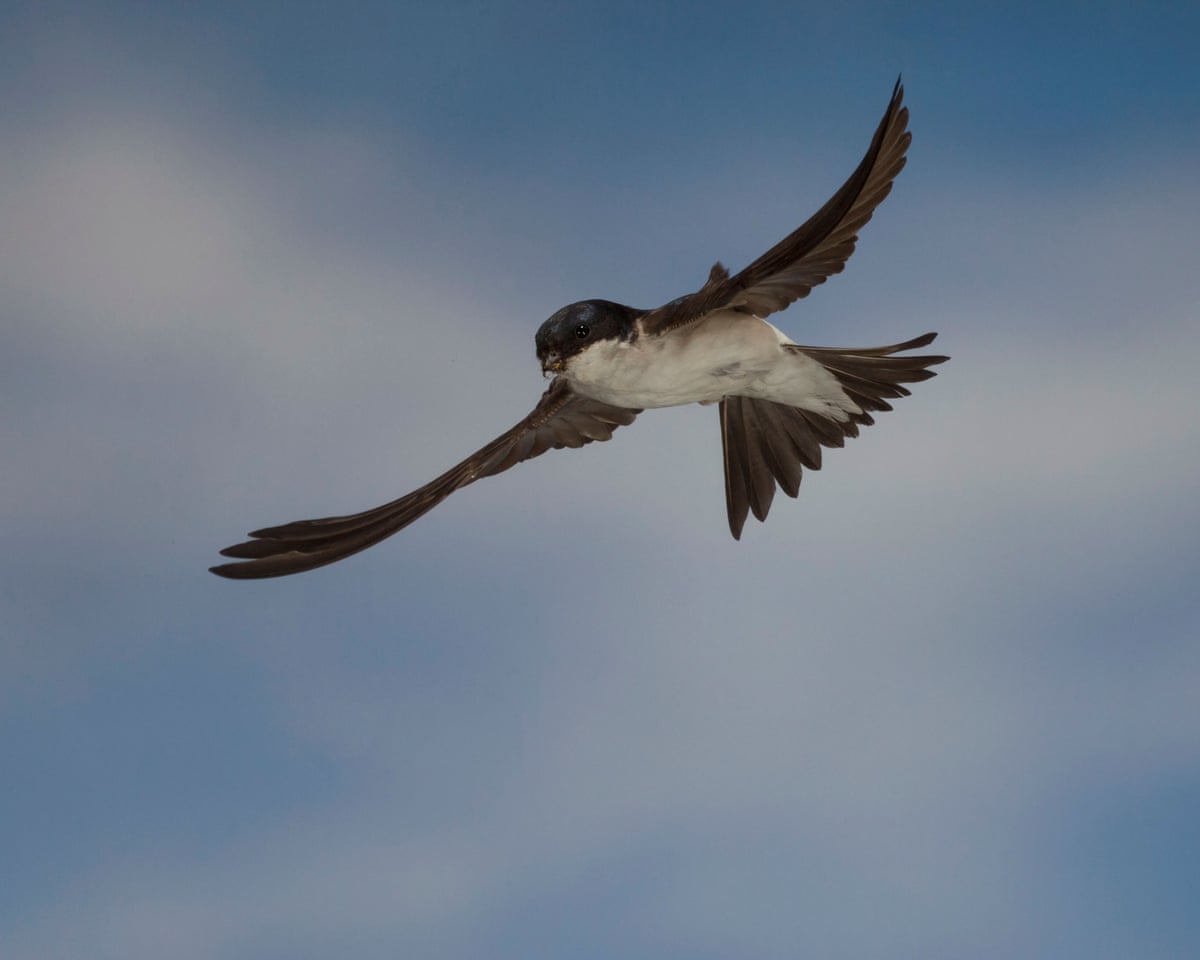
The European nightjar, scientifically known as Caprimulgus europaeus, completes an impressive nocturnal migration between European territory and southern parts of Africa annually. Yet these travels are only part of the aerodynamic challenge the species faces. To catch airborne insects, the nocturnal flyer must frequently decelerate, make rapid adjustments, and operate at remarkably reduced velocities.
A recent investigation by scientists based at Lund University, detailed in the publication PLOS Biology, demonstrates how these conflicting operational needs shape the bird's flight characteristics. By placing nightjars inside a specialized aerodynamic testing tunnel, the team observed how air moved behind their bodies across an array of flying velocities.
Their measurements revealed that the broad tips of the wings aid low-speed maneuvering but create aerodynamic disadvantages as pace increases. When flying faster, the birds generate upward force with reduced efficiency. Associate professor Christoffer Johansson explained that migrants are not always streamlined purely for distance traveling, noting that nightjar wing structure reflects an evolutionary compromise between hunting agility and fast transit.
Aerodynamic trade-offs in nature
The experiments also highlighted an unusual propulsion mechanism rarely recorded in avian species. When moving their wings upward, nightjars actively produce forward driving force. Johansson pointed out that active upstrokes have typically been documented in flying bugs and bats instead of birds, where such motion is normally passive.
Researchers suggest this mechanism permits propulsion when wings cannot undergo significant folding. The discovery illustrates how identical aerodynamic adaptations can arise across widely divergent animal groups facing comparable mechanical limitations. Johansson noted that an animal's flight apparatus frequently balances several survival tasks, including migration, food gathering, and precise maneuvering.
Beyond biological understanding, the authors believe these insights could inform the design of mechanical systems. Flapping aerial robots often encounter similar physical constraints regarding wing folding. Johansson concluded that future investigations will assess how widespread this force production is among other species, potentially inspiring advancements in novel flapping aircraft.