Insects and pollinators
Mosquito outbreak in Los Angeles pushes virus cases higher
Unusually warm weather and invasive species have triggered high insect numbers and raised health risks throughout the region.
Reported by The Guardian · · 1 min read
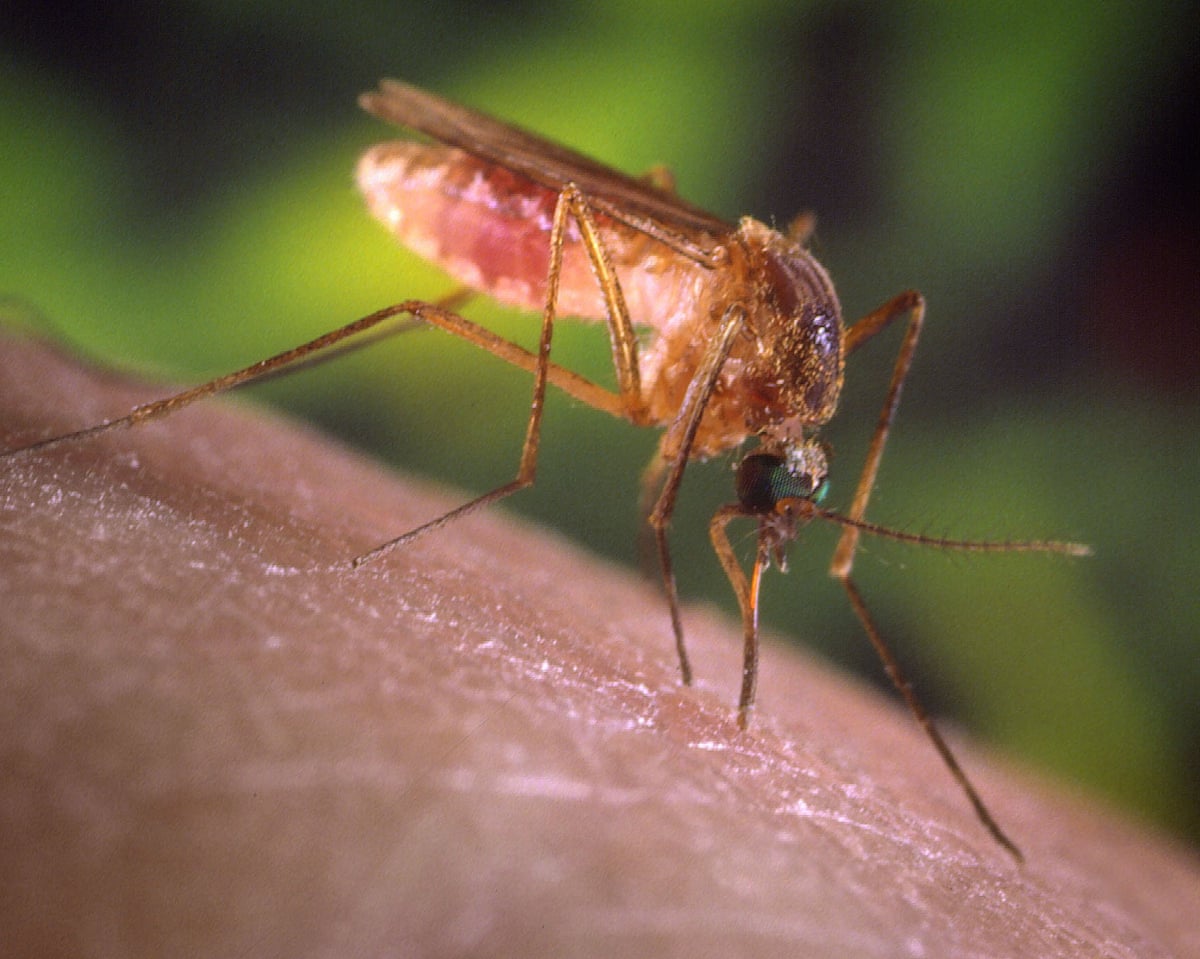
Southern California is experiencing an intense surge in mosquito activity following prolonged heatwaves and elevated humidity. Los Angeles County has registered upwards of 180 infections of West Nile virus this year, representing the steepest total documented by regional health officials in nearly a decade. Mosquito populations have remained unusually high because of mild winter temperatures and consecutive warm spells, preventing the typical seasonal decline in bug activity.
Local vector control agencies report significant transmission indicators across nearby counties as well. In Orange County, monitoring programs logged approximately 850 collection traps containing the West Nile pathogen. Officials note that the area's native mosquito, Culex quinquefasciatus, predominantly targets avian hosts like crows. After feeding on infected birds, these insects can pass the virus to people during subsequent feedings.
Residents have also confronted an expanding population of invasive Aedes insects, commonly dubbed ankle biters. Unlike indigenous varieties, Aedes mosquitoes actively seek out human targets and bite victims multiple times. While they do not carry West Nile virus, health authorities monitor them because they can transmit other serious illnesses, such as yellow fever, chikungunya, Zika, and dengue.
These non-native insects reproduce readily across residential neighborhoods because females require merely a spoonful of standing water to lay their eggs. Moisture collected in saucers beneath potted plants and forgotten outdoor pet dishes frequently provides ideal breeding grounds. Vector technicians work to eliminate these small reservoirs, though access to backyards is sometimes complicated by cautious property owners.
To suppress the insects, abatement districts apply fine mists of diluted adulticide and have evaluated sterile insect methods. By introducing male mosquitoes sterilized with X-rays, experimental trials in the San Gabriel Valley decreased targeted mosquito numbers by more than 80 percent, though high operational expenses limit wide adoption. Officials urge residents to drain backyard puddles, wear protective clothing, and use insect repellents containing DEET, picaridin, IR3535, or lemon eucalyptus oil.