Insects and pollinators
Mosquito species show distinct human preferences
FIU researchers found that Aedes aegypti, Aedes albopictus, and Culex quinquefasciatus each prefer different people, based on skin chemistry and microbes.
Reported by ScienceDaily · · 1 min read
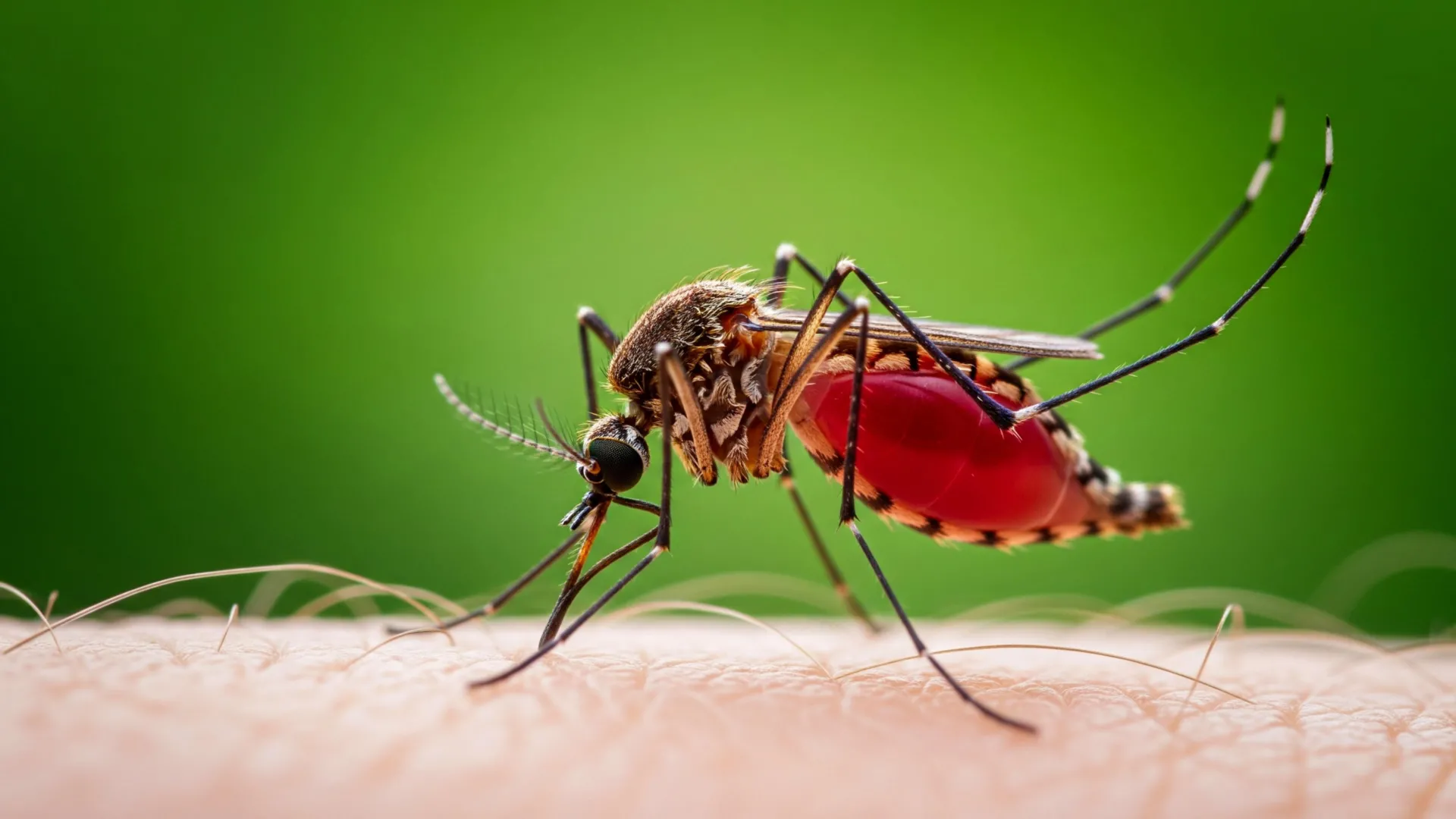
A new study by Florida International University shows that mosquitoes of different species are attracted to distinct groups of people, depending on each person's skin chemistry.
Species-Specific Preferences
The researchers tested three mosquito species that spread serious illnesses: Aedes aegypti, Aedes albopictus, and Culex quinquefasciatus. No single volunteer attracted all three, and each species favored its own subset of participants.
To uncover the reasons behind these preferences, the team collected samples of body odor and skin bacteria from the 119 volunteers. They analyzed volatile organic compounds and microbial communities, then matched the results to the mosquitoes' biting patterns.
The analysis revealed clear links between mosquito choices and variations in skin chemistry and microbes. Each species seemed to decode its preferred odor signature in a unique way, suggesting that different species use distinct chemical cues.
These findings could lead to species‑specific repellents and more precise public‑health strategies. By targeting the particular chemicals and bacteria that attract each mosquito, future prevention could move beyond a one‑size‑fits‑all approach.


