Habitats and conservation
Local group to co-manage Congolese reserve
A grassroots organization in the Democratic Republic of Congo partners with park authorities to safeguard key wildlife habitats alongside local residents.
Reported by Mongabay · · 1 min read
For the first time in modern history, a grassroots Congolese group is partnering directly with wildlife authorities to oversee a major conservation area in the Democratic Republic of Congo. Under the newly established public-private arrangement, Strong Roots Congo will help direct operations at the Itombwe Nature Reserve alongside the Congolese Institute for the Conservation of Nature.
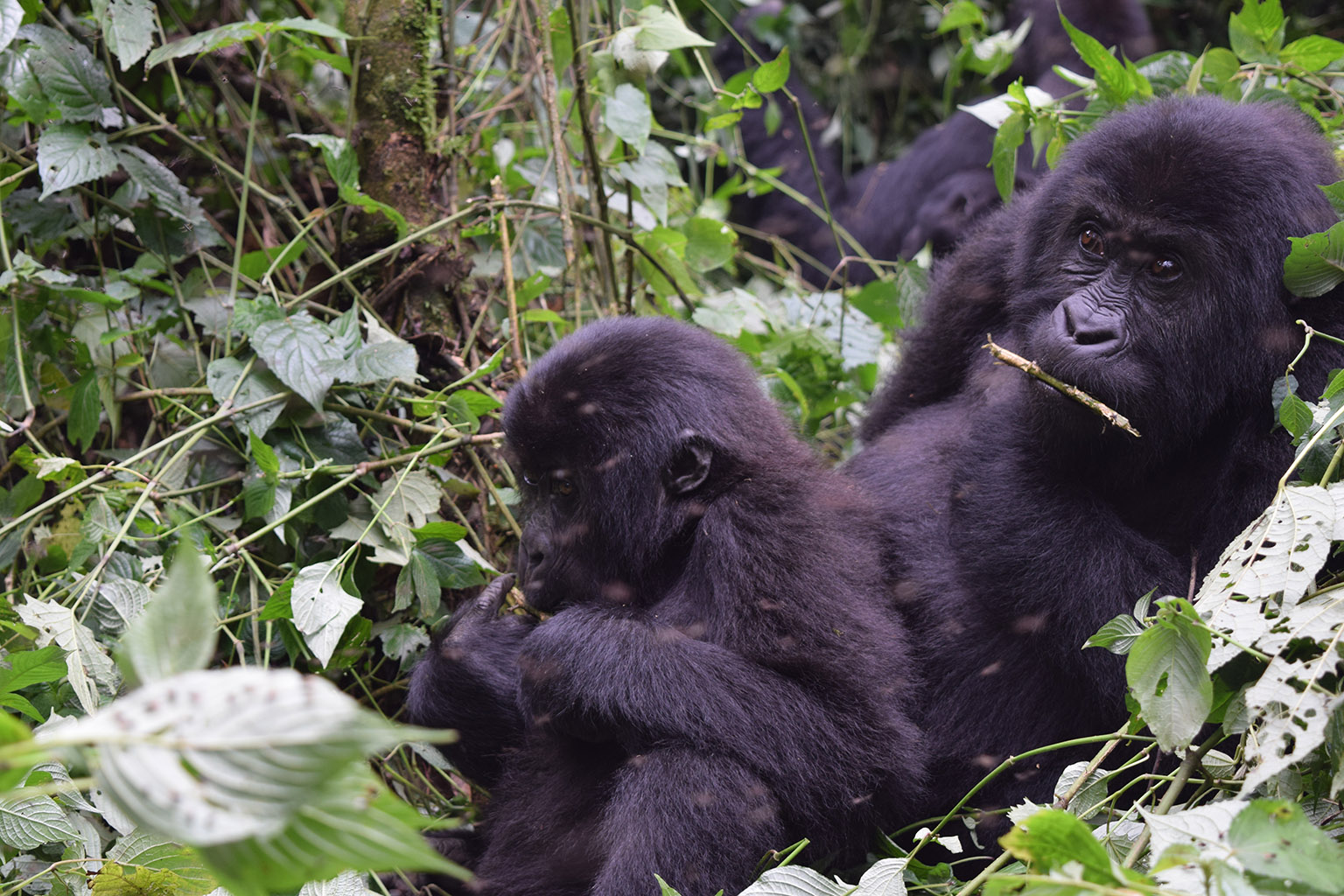
The reserve, located in the eastern province of South Kivu, encompasses vital habitat for critically endangered Grauer's gorillas. Historically, the creation of protected areas across the nation frequently involved the forced displacement of Indigenous populations, sparking long-running tensions between surrounding villages and environmental wardens.
Community-led conservation
Strong Roots Congo founder Dominique Bikaba explained that national officials likely selected the homegrown nonprofit after tracking its success in establishing a protected ecological corridor while keeping nearby residents actively involved in decision-making.
So far, the nonprofit has successfully secured nearly 600,000 hectares, or approximately 1.5 million acres, of communal territory. The designated zone forms a crucial ecological pathway connecting Itombwe Nature Reserve with Kahuzi-Biega National Park, with ongoing plans to expand the protected corridor to roughly one million hectares.
The landmark co-management agreement follows closely on the heels of a recently approved National Forest Policy enacted three months earlier. That broader legislative framework officially acknowledges the authority of Indigenous peoples and local settlements to oversee forest environments, signaling a shift toward cooperative land stewardship.