Wild mammals
Koalas face chlamydia threat as vaccine debate continues
Researchers question the efficacy of a newly approved koala chlamydia vaccine while antibiotic treatments also pose risks to the endangered marsupials.
Reported by The Guardian · · 1 min read
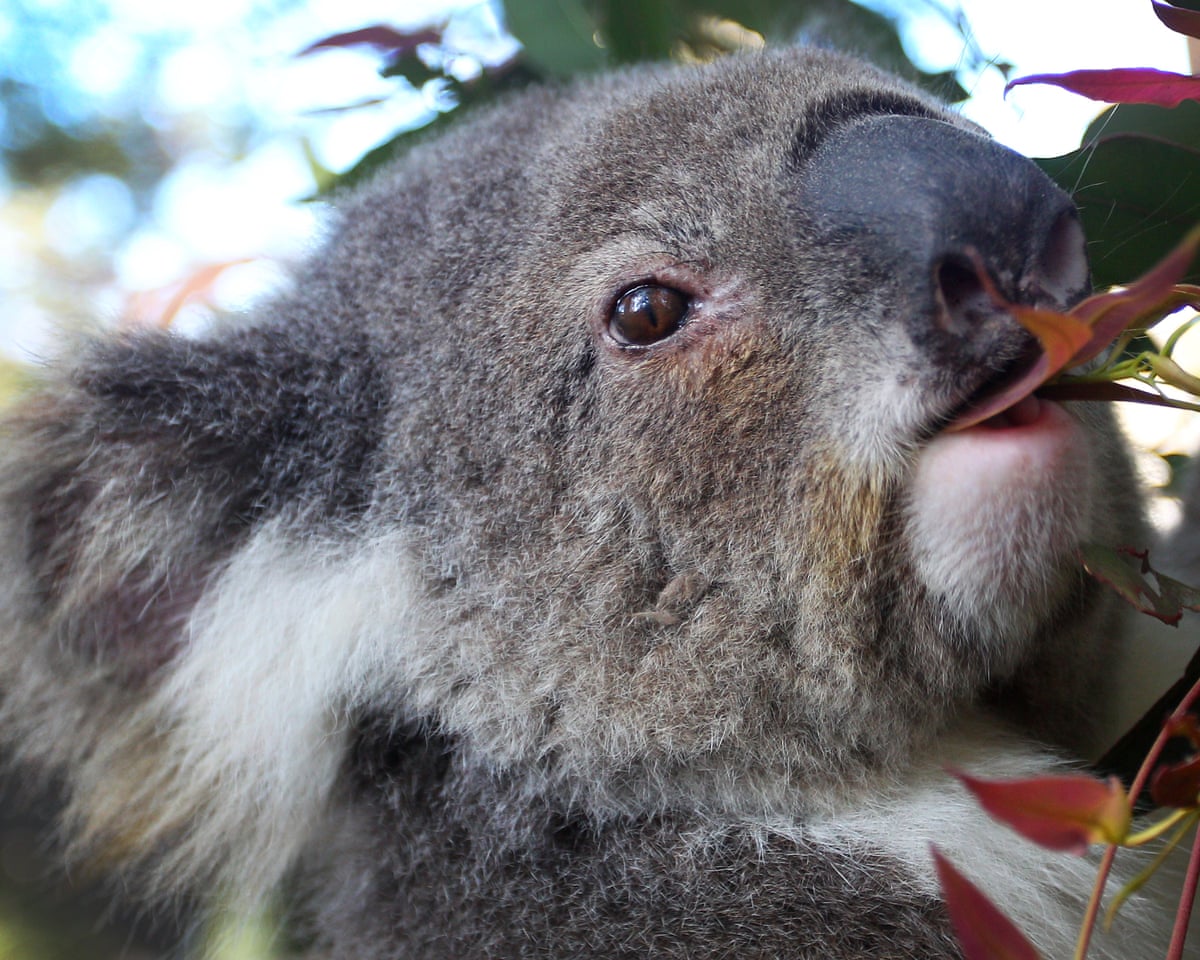
Chlamydia infection is devastating koala populations across eastern Australia, causing urinary incontinence, inflamed bladders and blindness in infected animals. The bacterial disease, primarily caused by Chlamydia pecorum, spreads through mating and close contact, with some populations experiencing infection rates as high as two in three individuals. Infected females often become infertile, while severely affected animals may become emaciated and weakened.
Antibiotic treatment presents significant challenges for treating koalas. The animals rely on specialized gut microbes to digest toxic eucalyptus leaves, and antibiotics can disrupt this delicate balance, leading to weight loss, diarrhea and potentially fatal microbial imbalances. Some chlamydia strains have also developed antibiotic resistance, further complicating treatment efforts.
Two protein-based chlamydia vaccines have been developed in Queensland over the past decade. One received approval from Australia's veterinary medicines regulator in September 2025, though its effectiveness remains controversial. Researchers from the University of the Sunshine Coast published findings suggesting the vaccine reduced disease incidence and chlamydia-related deaths by 64% over a decade, but critics identified a data analysis error that, when corrected, showed no significant difference between vaccinated and unvaccinated koalas.
Vaccine trials show mixed results
A randomized controlled trial involving wild koalas in New South Wales found that while the vaccine stimulated an immune response, it did not reduce chlamydia incidence. The study concluded the vaccine might have only modest benefits and could be more effective when combined with other management strategies. Researchers emphasized the need for continued development and testing of improved vaccine formulations.
Regulatory debate intensifies
The Australian Pesticides and Veterinary Medicines Authority defended its approval, stating the permitted claim is qualified and limited to reducing clinical signs rather than preventing disease or mortality. Meanwhile, critics argue the regulatory system failed to adequately assess the vaccine's efficacy. The ongoing debate highlights the difficulties in balancing urgent conservation needs with scientific rigor when developing treatments for endangered species.


