Insects and pollinators
Honeybees aggressively push wild pollinators off flowers
A British study shows rising hive numbers drive managed bees to physically chase away bumblebees and hoverflies as nectar supplies dwindle in the heat.
Reported by The Guardian · · 1 min read
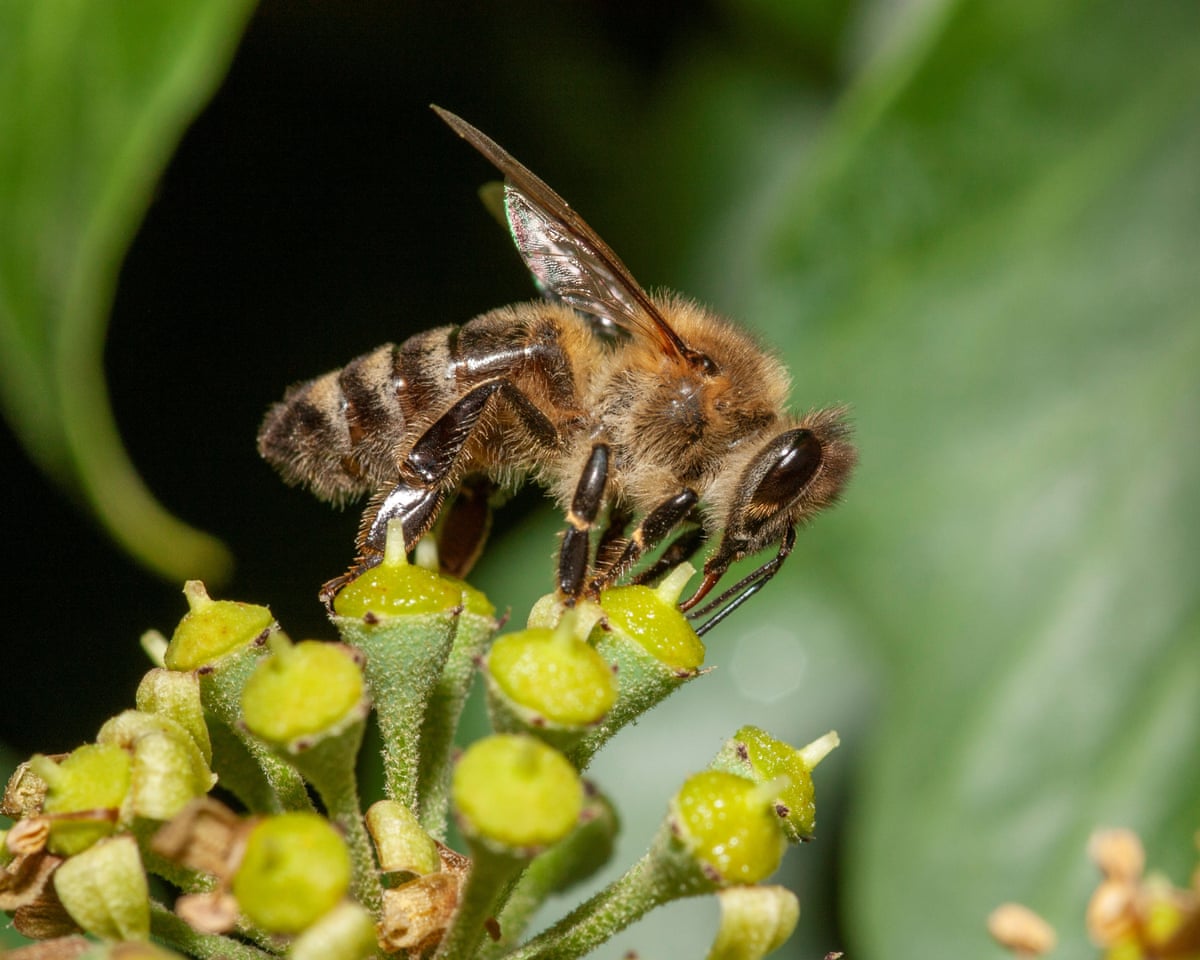
Honeybees frequently confront and drive off native insects while gathering nectar and pollen, according to scientists from Anglia Ruskin University. The two-year investigation in Cambridgeshire revealed that locations hosting dense honeybee populations supported noticeably fewer wild visitors, including hoverflies, solitary bees, and bumblebees.
The popularity of hobbyist beekeeping has expanded dramatically across the United Kingdom following public campaigns urging bee protection. Figures from the National Bee Unit indicate that registered keepers increased from 19,000 in 2010 to 47,000 by 2025. However, this sharp increase has raised ecological worries about pathogen transmission and food scarcity for native species, particularly in flower-poor environments.
Researchers monitored 300 feeding encounters on bramble and ivy blossoms near apiaries to observe how various groups interacted. Across both plant varieties, honeybees emerged victorious in most clashes. Other insects actively avoided them during roughly 28 percent of encounters on bramble and over 35 percent on ivy. When securing floral resources, honeybees regularly pushed competitors off petals or pursued them away.
Lead investigator Victoria Buckle explained that honeybees display interference competition by overtly assaulting other species. While bumblebees occasionally knock neighbors down due to clumsy flight patterns in tight foliage, honeybees act intentionally. Buckle noted that this combative instinct likely stems from hive social structures, where specialized guard castes protect broods and hives against outsiders.
Only one competitor successfully resisted this dominance: the ivy bee, a specialist insect documented in Britain since 2001 that relies heavily on ivy nectar. It was observed actively pursuing and dislodging honeybees from blooms.
Hostile clashes intensified under warmer weather conditions, which researchers attributed to drying nectar supplies and heat-stressed plants. With projected British summer temperatures anticipated to climb by up to four degrees Celsius by 2080, such foraging disputes may worsen. Buckle emphasized that because many beekeepers care about nature, these insights should help establish better guidelines to safeguard vulnerable wild species.