Wild mammals
US Forest Service Bigfoot Files Draw Global Attention
Enthusiasts see the quietly posted government documents as a first step toward normalizing decades-long debates about the legendary woodland creature.
Reported by The Guardian · · 2 min read
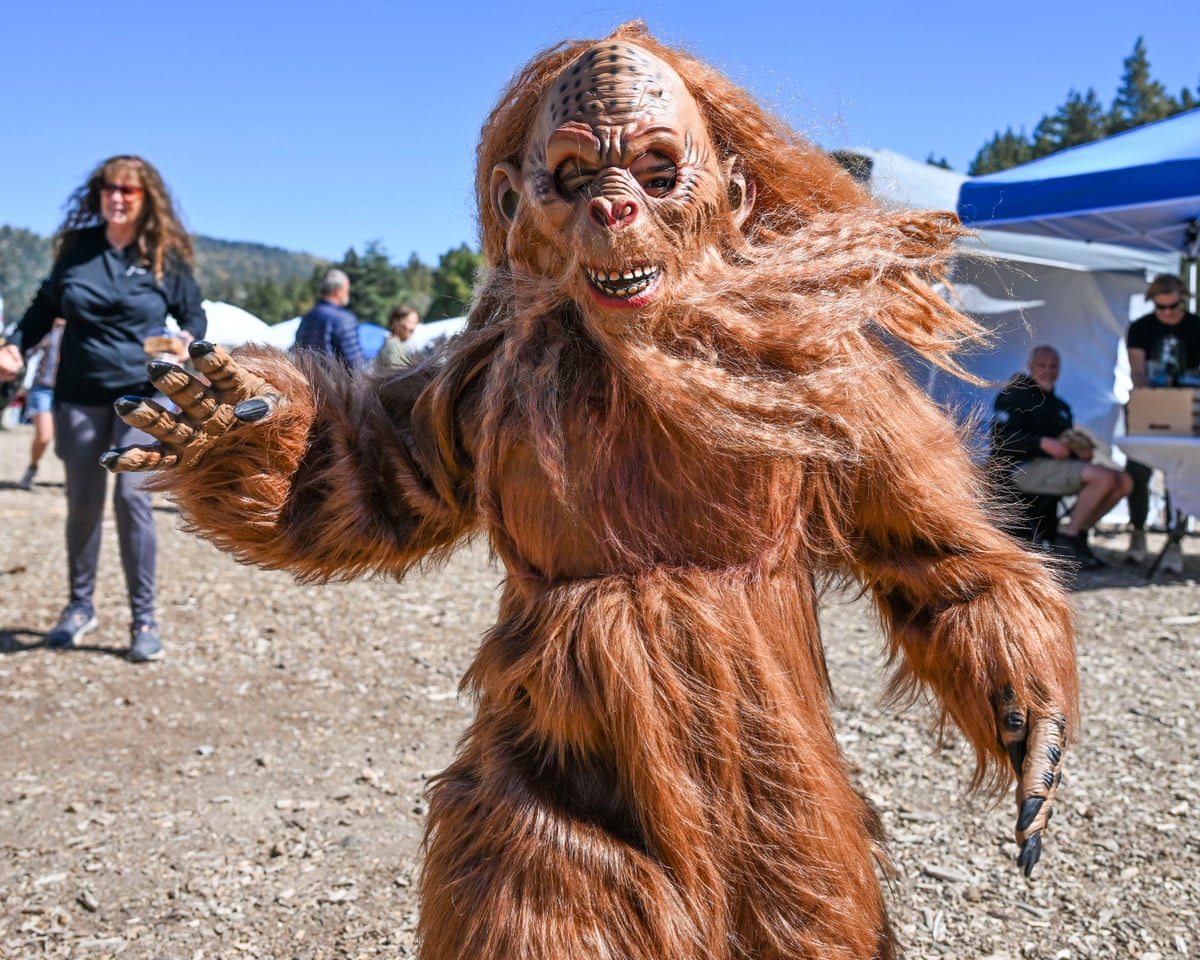
The US Forest Service quietly uploaded three Bigfoot-related files to its website in mid-October. The documents quickly drew worldwide attention from creature-advocates, who see the release as a potential turning point in the decades-long debate over whether a large primate-like animal still roams North American forests.
Tami Grimes, who directs the conservation group Nawac, said the papers would help mainstream a dialogue that supporters have pushed for years. The group prefers the label "wood ape" because it sounds less mythical. Grimes added that the files show a federal body once treated reported encounters seriously enough to file them, which she called validation for the community.
Grimes, 59, has recounted multiple personal sightings. The first, she said, occurred when she was four, near the Green Swamp in central Florida. She described a seven-foot-tall, heavily built bipedal figure covered in dark brown-to-black fur that fled at a rapid pace. A second encounter in December 2003 in a Florida swamp ended without footage; she had only just purchased a thermal camera and was unfamiliar with its recording function.
What the files contain
The three documents included a reprint of a newspaper story about unexplained tracks in Montana, a 1980 essay by Leo Kinney describing a hind-leg-walking creature in the woods, and a USDA-commissioned field report. The last drew the most attention: wildlife biologist Rodney Johnson had been sent to the Umatilla National Forest near Portland to examine reported Bigfoot footprints.
Johnson produced plaster casts of four prints at two sites and concluded the impressions were not made by a creature weighing over 300 pounds. He cited eight grounds: shallow depth in mud, constant stride length on slopes, cleared forest debris, and the trail ending abruptly. The Forest Service said in a statement that tales of Bigfoot and similar creatures are part of the cultural heritage of many regions, while noting it does not endorse claims about whether such animals exist. Other federal agencies declined to comment.
Ronny LeBlanc, a star of the Travel Channel series Expedition Bigfoot, described the disclosure as only the opening chapter and predicted the Department of Agriculture would release further material. He floated the idea that the creature might be inter-dimensional or use telepathy to evade detection, comparing the silence of loggers and foresters to the way military aviators once stayed quiet about unidentified aerial phenomena.
On the question of proof, Grimes said a definitive confirmation would require the group to kill an individual and transport the body to researchers for examination. She acknowledged the task was uncomfortable but argued it is what the scientific method demands. Nawac keeps a small team of volunteer hunters on standby, since capturing a live creature is considered far too difficult.