Wild mammals
Feral deer spreading rapidly across Australia
Invasive deer populations are expanding with costly consequences for agriculture and ecosystems, though South Australia shows progress in control efforts.
Reported by The Guardian · · 2 min read
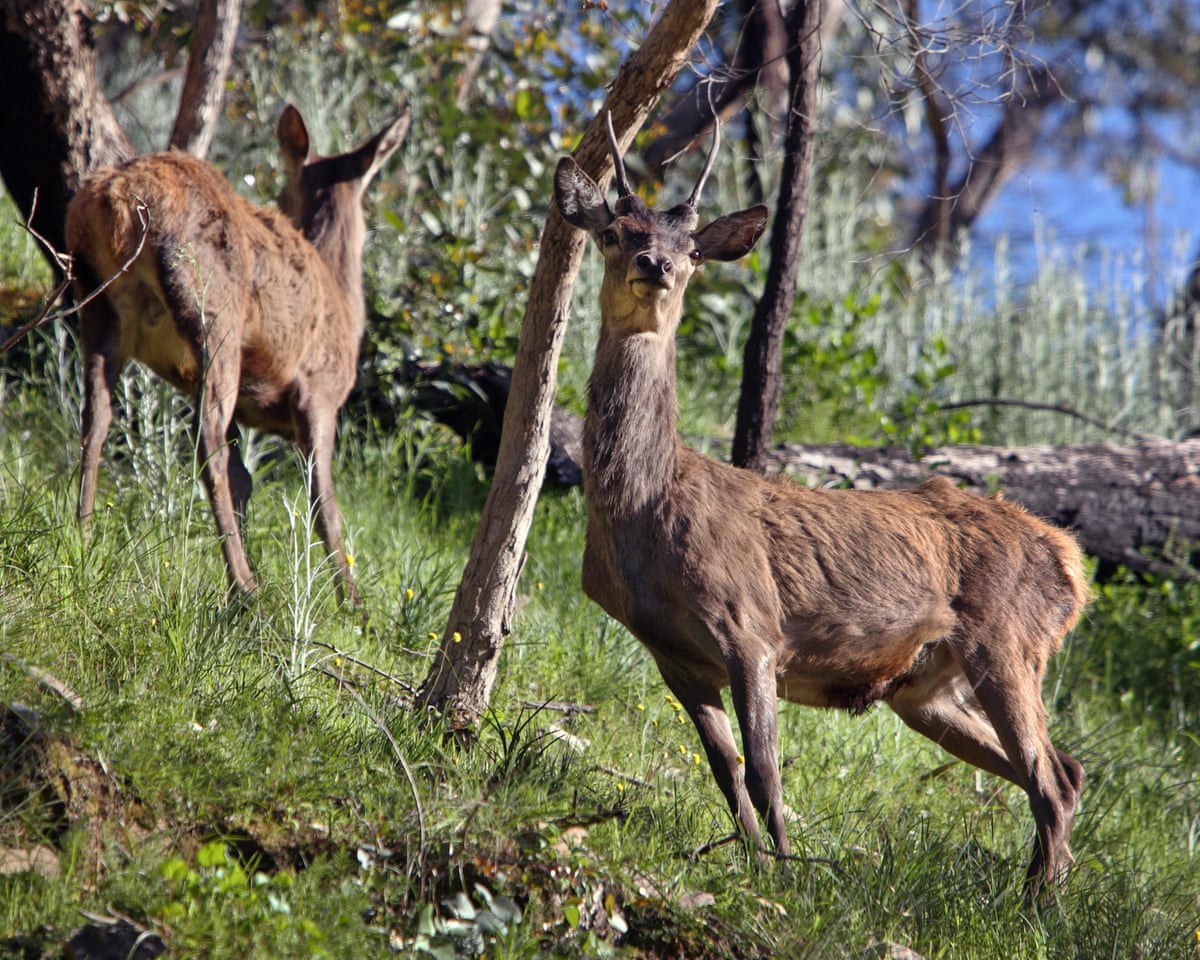
Australia is struggling to contain the rapid spread of feral deer, which researchers warn could become the country’s next major invasive pest crisis. A government report covering 2020-2025 found that deer populations and their territory have expanded significantly, leading to increased human encounters and mounting economic costs. According to the assessment, these invasive animals now cause over $91 million in annual losses for farmers through production damage and management expenses.
Six deer species—chital, fallow, hog, red, rusa and sambar—have established populations across the country, with the highest densities in southeastern regions. While smaller, localized groups exist in South Australia, Western Australia and the Northern Territory, the overall trend shows growing territorial encroachment, including into urban fringes. Experts note that deer encounters are becoming more frequent, even leading to unusual incidents such as people being fined after becoming lost while nude sunbathing and startled by deer.
Most states fail to control deer populations
A national pest management report card reveals that nearly all states and territories are struggling to manage feral deer effectively. Using a traffic-light rating system, the assessment found that only South Australia achieved green ratings across all four categories, indicating successful reduction in deer numbers, distribution and environmental harm. New South Wales and Tasmania received red ratings in every category, while Queensland and the Australian Capital Territory earned three reds and one yellow. The report attributes this widespread failure to long-term underfunding and insufficient control measures.
South Australia’s approach stands out as a rare success story. Since launching a statewide eradication plan in 2022, the state has reduced deer impacts on agriculture, native wildlife and road safety. Researchers estimate that without intervention, deer damage in South Australia could surge from $36 million annually to $241 million by 2031. Despite progress, officials note that deer are retreating toward urban edges where culling becomes more challenging and expensive.
Wildlife advocates emphasize that while total eradication may not be feasible nationwide, targeted control efforts could still make a meaningful difference. They compare feral deer to feral pigs—another invasive species that has caused widespread ecological and economic damage. Experts argue that immediate action could help contain deer populations and limit their spread, though sustained funding will be critical to long-term success.