Pets
Cornell researchers find Marfan syndrome in pet cats
Two long-legged feline brothers have helped scientists document the first known molecular cases of the inherited genetic condition in domestic felines.
Reported by ScienceDaily · · 2 min read
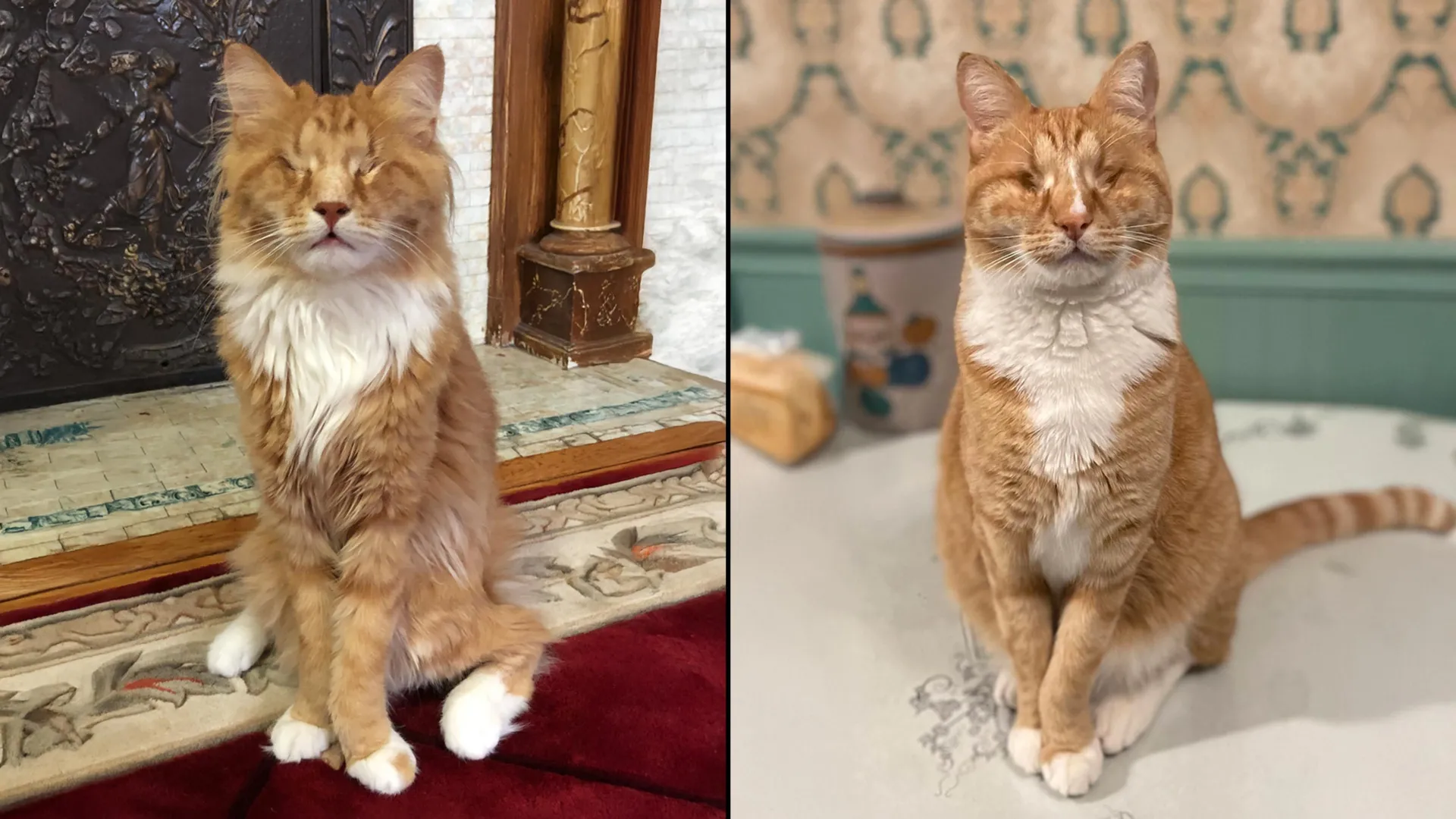
Researchers at Cornell University have documented the first known feline cases of Marfan syndrome, a rare hereditary disorder widely recognized in human patients. The discovery emerged from studying two cat siblings, named Gary and Shaggy, whose distinct physical traits and medical problems prompted extensive clinical and genetic testing. Their findings were published in the journal Scientific Reports.
The brothers initially drew attention when they were young because of their noticeably elongated legs. As the pair matured, veterinary clinicians identified structural abnormalities in their eyes along with an enlarged aorta, which serves as the primary artery distributing blood across the body. These combined symptoms pointed toward Marfan syndrome, an inherited ailment that weakens connective tissues supporting organs, bones, and blood vessels.
While the disorder occurs in roughly one out of every 4,000 human beings, it had never previously been confirmed at a molecular level in felines. Dr. Jacquelyn Evans, an assistant professor affiliated with the Baker Institute for Animal Health and Cornell's College of Veterinary Medicine, noted that these insights establish a crucial foundation for veterinary practice. She explained that understanding the condition could assist clinicians in recognizing similar cases and might enable the development of diagnostic tests.
To uncover the biological cause of the brothers' condition, an interdisciplinary research team conducted comprehensive health evaluations and sequenced the animals' DNA. Their work pinpointed mutations within the FBN1 gene, which directs the synthesis of fibrillin-1. This structural protein plays an indispensable role in maintaining the integrity of ligaments, blood vessels, skeletal structures, skin, and ocular tissues.
The genetic screening uncovered an unusual pattern: Gary and Shaggy each inherited a mutated copy of FBN1 from both parents. In humans, possessing only a single mutated copy is typically enough to trigger the syndrome, whereas inheriting two defective copies is extraordinarily rare and can cause severe complications.
Despite carrying two copies, the feline brothers survived into adulthood due to a surprising molecular nuance. Further testing demonstrated that their specific variant did not entirely deactivate the gene. Instead, it altered how instructions were processed while permitting partial protein function to continue, shielding the cats from far more debilitating effects.