Insects and pollinators
Beehives function as living immune systems
A new study reveals honey bees strategically arrange hive materials to create layered antimicrobial defenses that safeguard their young and food.
Reported by Phys.org · · 1 min read

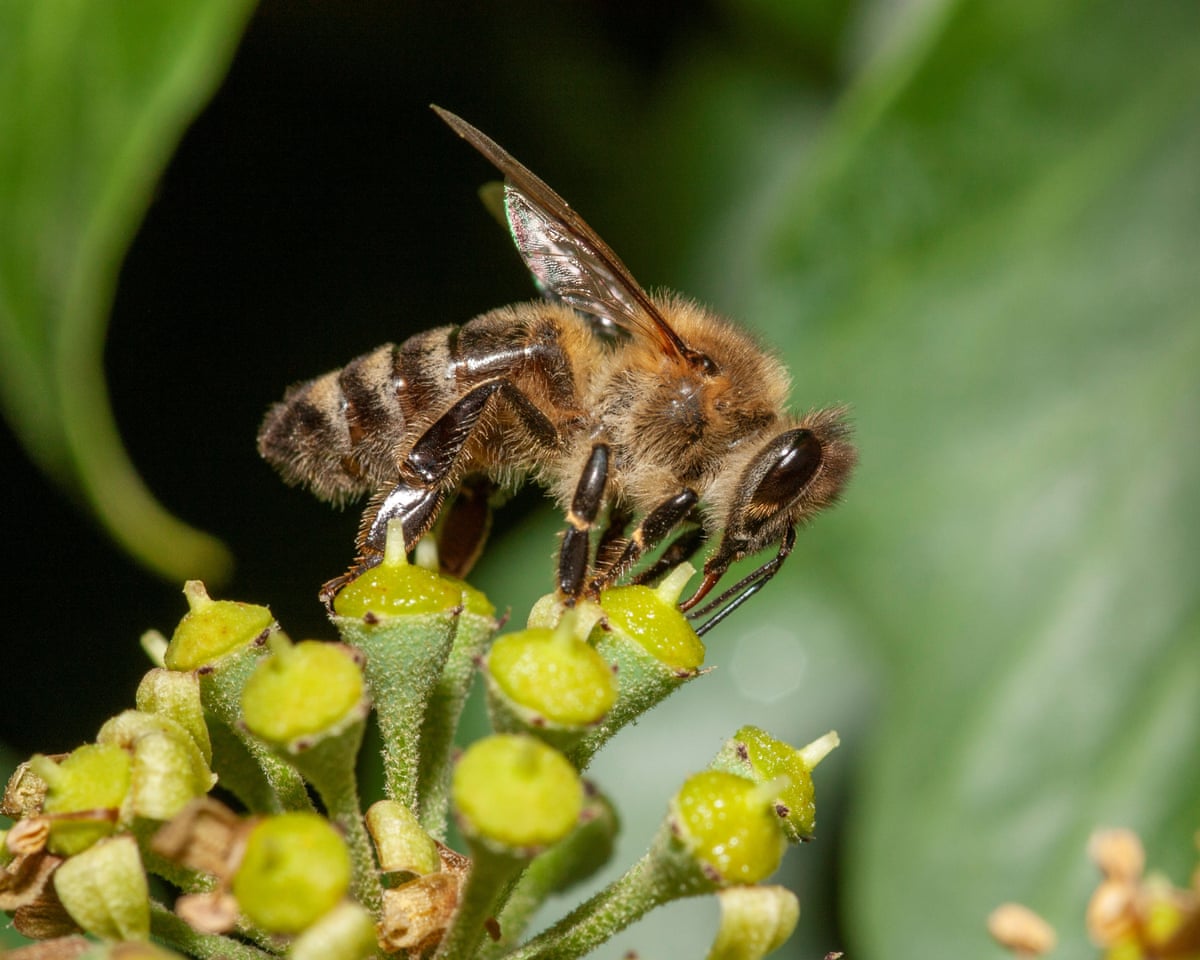
Honey bee colonies construct their nests to serve as active biological defense networks, using carefully positioned building substances to ward off harmful pathogens. According to research published in ISME Communications, these insects arrange substances throughout their living quarters to form multi-tiered antimicrobial barriers similar to how immune systems operate inside animal bodies.
Investigators examined twenty-four European honey bee colonies situated across five apiaries at Tocal College in New South Wales. The research team evaluated the chemical and germ-fighting characteristics of wax comb, stored pollen, honey, and propolis, which is a resinous substance gathered from vegetation. They also analyzed microbial balances within the insects themselves.
The study revealed that hive materials are distributed intentionally rather than by chance. Stronger barriers are situated along exterior sections exposed to outside surroundings. Honey and propolis placed in these outer zones demonstrated high concentrations of protective compounds, such as hydrogen peroxide and plant flavonoids, which help seal crevices and repel incoming pathogens.
Layered barriers protect developing young
Moving toward the interior core, the colony defenses shift to shield vulnerable eggs and developing brood. Wax storage combs, reserves of pollen, and the bodies of the adult bees work together to filter out detrimental microbes while fostering beneficial species. The findings showed these defenses are tuned more heavily against destructive bacteria, such as the pathogen behind American foulbrood, than against fungal threats.
Lead investigator Dr. Kenya Fernandes noted that hives effectively serve not only as shelters, foraging hubs, and nurseries, but also as collective protective shields. Co-author Elizabeth Frost cautioned that because bees rely on surrounding flora to assemble these chemical shields, habitat degradation and agricultural disruption directly weaken their ability to resist infection. Researchers hope to explore whether similar defense architectures occur in stingless native bees.