Birds
World's largest penguin colony plunges by two-thirds
A drastic collapse among chinstrap penguins on an Antarctic island signals growing ecosystem vulnerability linked to shifting ocean temperatures.
Reported by The Guardian · · 1 min read
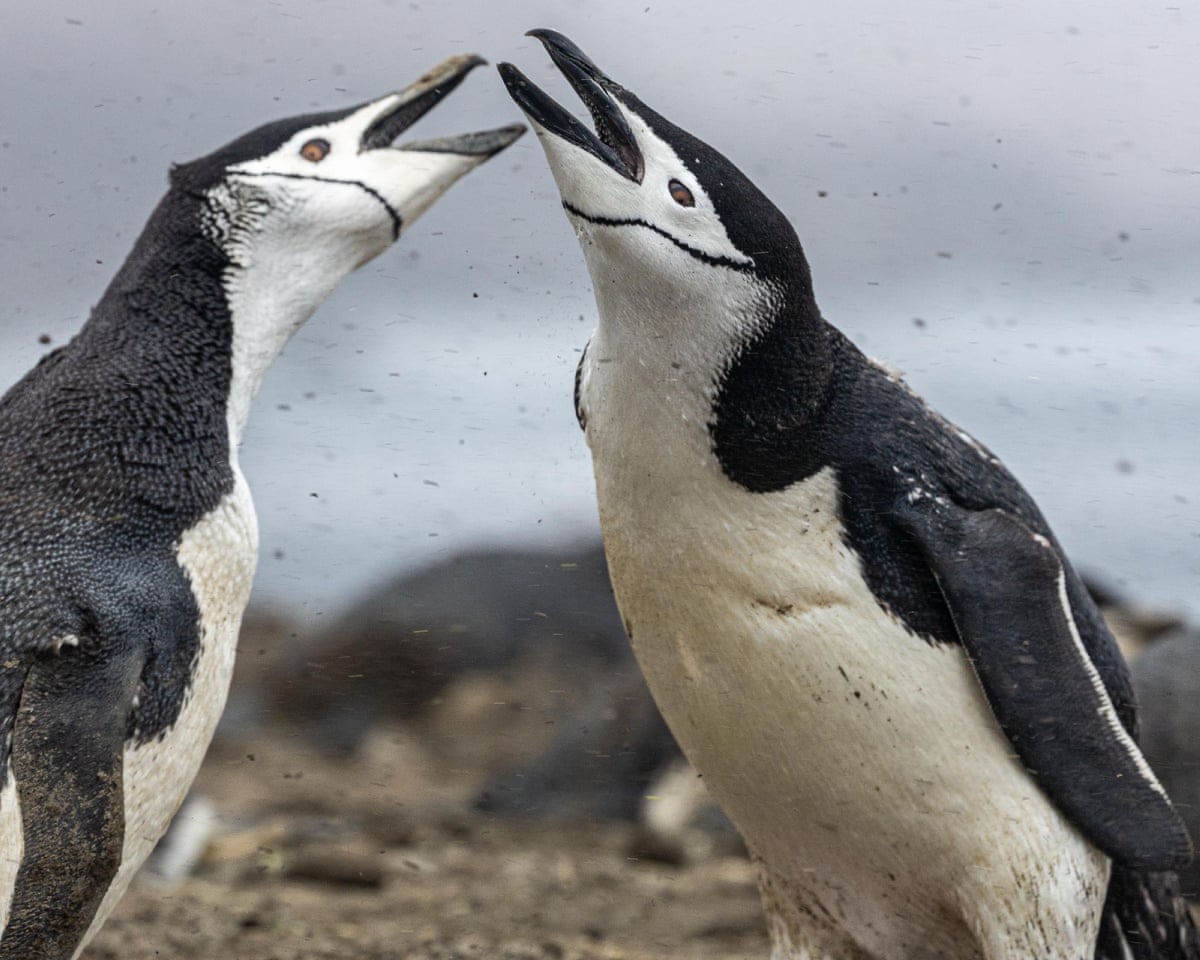
The planet's most populous penguin colony has shrunk by roughly two-thirds over the past fourteen years, with researchers pointing to human-driven climate shifts as the primary catalyst. The findings, detailed in the journal Current Biology, document a massive decline among chinstrap penguins nesting on Zavodovski Island, located in the northern South Sandwich Islands.
According to researchers led by British Antarctic Survey ecologist Norman Ratcliffe, the drop represents the disappearance of approximately 500,000 breeding birds from the remote volcanic island. In 2011, the site supported roughly 600,000 chinstraps alongside 90,000 macaroni penguins. Following the steep downward trend through 2025, the location has probably surrendered its status as the world's largest colony to Cape Adare.
The team emphasized that the species is struggling with regional heating, which has lifted local winter temperatures significantly above preindustrial benchmarks. Tracking records indicate that chinstraps feed in cold waters toward the island's northwest, depending heavily on Antarctic krill. As seawater warms, these essential food reserves have migrated southward toward the Weddell Sea, leaving the specialized birds facing severe nutritional deficits.
Ecological consequences
While chinstrap numbers plummeted, neighboring macaroni penguins recorded a 30 percent population increase. Scientists noted that macaronis maintain a broader diet, although this modest growth does little to offset the broader collapse. Ratcliffe warned that losing so many marine predators threatens the balance of the wider polar food web.
Alternative explanations for the crash were discarded during the investigation. Observers found no evidence of direct dietary competition between the two penguin species, and human communities remain thousands of miles removed from the island.
Investigators also re-evaluated a notable volcanic event from 2016. While initial theories suggested ash deposits might have wiped out colonies abruptly, survey records revealed a continuous, steady downturn rather than an acute catastrophe. Furthermore, field observations indicated that chinstraps systematically avoided the primary plains coated by volcanic fallout.


