Wild mammals
Ugandan chimp community divided by lethal conflict
Long-term research at Kibale National Park reveals how a record-sized group of wild apes fractured into rival factions over several years of fatal clashes.
Reported by The Guardian · · 1 min read
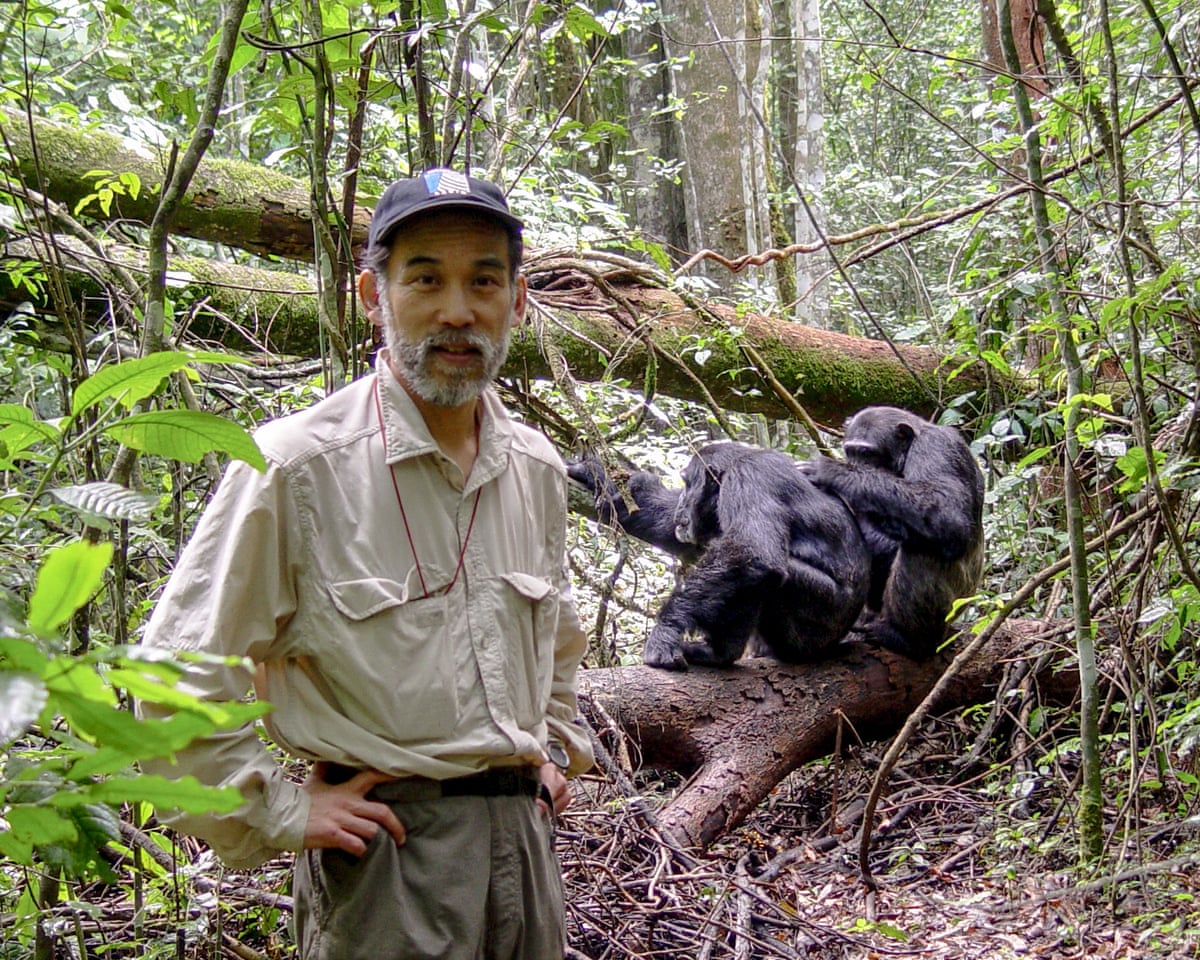
A thirty-year field study in Uganda has documented an unprecedented rift within a massive chimpanzee community, leading to fatal clashes between former allies. Primatologist John Mitani and his colleagues detailed the prolonged internal fighting in the journal Science, describing the fracturing of a group that previously lived together without major hostility.
The apes inhabit the Ngogo region within Kibale National Park, an area characterized by tall rainforest canopies and abundant fruit. When researchers first evaluated the site in 1995, they identified nearly two hundred individuals cooperating in a single troop. At the time, such a massive assemblage was completely unprecedented in wild ape field research.
Factional division and conflict Initial indications of unrest emerged in June 2015 when normally calm apes began fleeing in agitation and chasing one another. Over subsequent years, the community split into two opposing factions. The resulting strife claimed the lives of nine males and nineteen infants. Despite the mortality, field researchers recorded an unexpected surge in female reproductive rates and higher survival among offspring during the upheaval.
Before the outbreak of violence, investigations at Ngogo yielded valuable insights into primate social dynamics. Scientists observed unusually low mortality rates, prolonged life expectancies, and collaborative alliances between unrelated adult males. Shared hunts and meat consumption, frequently involving red colobus monkeys, served as crucial mechanisms for establishing social ties among males.
Beyond observational data, the ongoing field presence has supported ape conservation by enabling teams to locate and detach snare traps left by local hunters. Mitani cautioned against using the group's factional warfare to draw sweeping conclusions regarding human evolutionary aggression, noting that closely related bonobos have never exhibited similar patterns of violent internal strife.