Birds
Tracking tools and fishing bans offer hope for puffins
Rising ocean temperatures and severe winter storms threaten seabird populations across the Atlantic, but conservationists see paths toward recovery.
Reported by The Guardian · · 2 min read
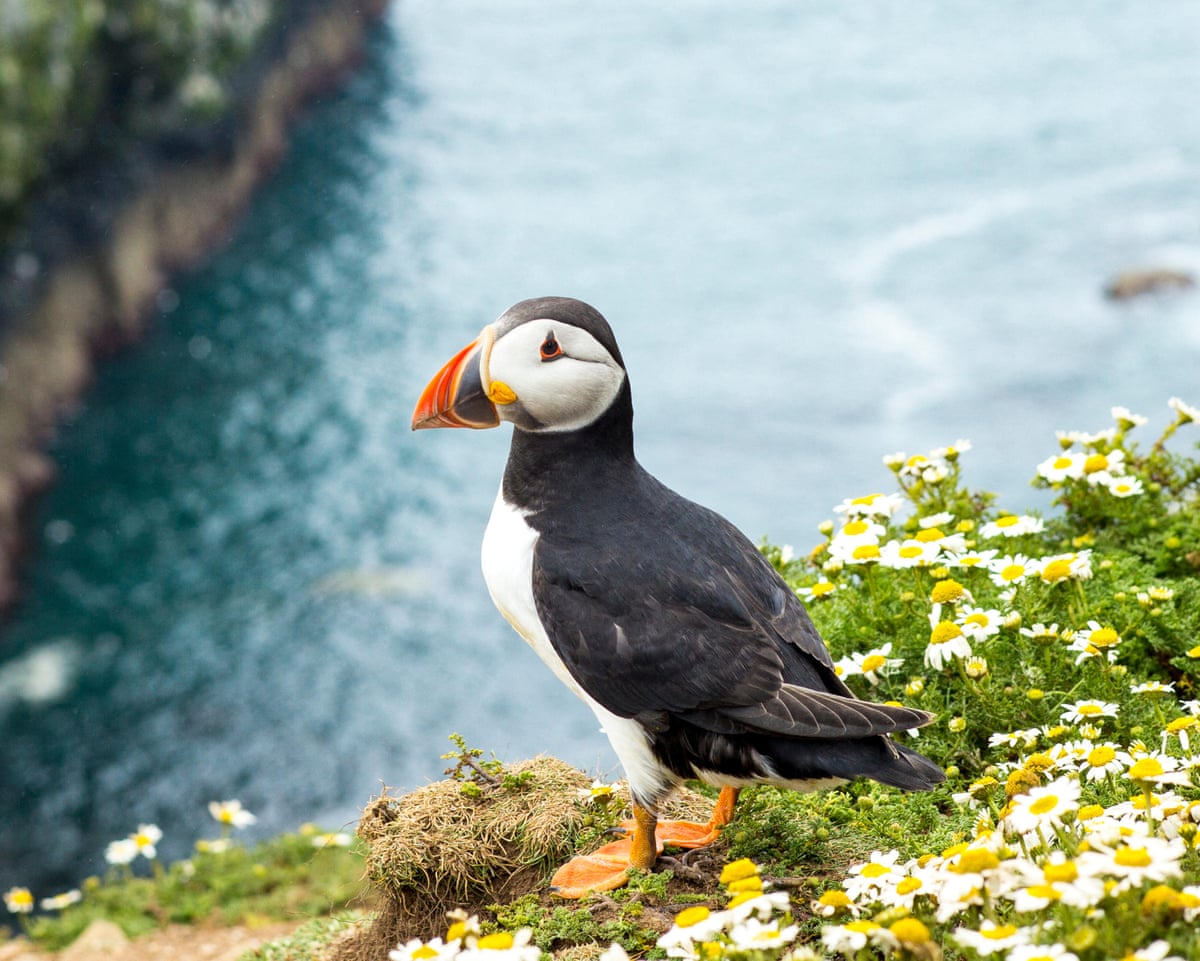
Puffins and other seabirds are confronting rising hazards across the world's oceans as climate disruption alters their fragile marine habitats. When ocean waters warm, vital food resources such as sand eels shift into colder regions, leaving breeding colonies with depleted hunting grounds. Consequently, adult birds must travel greater distances to forage, which reduces the survival chances of their chicks during nesting and through the harsh winter months.
Severe weather has also taken a heavy toll away from nesting sites. In early 2026, intense seasonal storms caused hundreds of stranded puffins, guillemots, and razorbills along shorelines in Scotland, Cornwall, and northeastern England. Across mainland Europe, conservation groups documented over twenty thousand washed-up seabirds on the French, Spanish, and Portuguese Atlantic coasts. Marine officers noted that this event marked the most damaging wreck seen in more than ten years.
Additional challenges, including plastic waste, oil spills, and island predators, continue to suppress nesting numbers. Some projections warn that ninety percent of puffins could be lost by mid-century. Nevertheless, researchers and naturalists point to important victories that could prevent further declines. A significant legal decision recently prohibited commercial sand eel harvesting in waters surrounding England and Scotland, safeguarding a critical prey source.
Conservation scientists are also relying on modern electronics to study seabird movements away from land. Since the 1980s, tracking systems have illuminated where birds wander throughout the winter, pinpointing key oceanic foraging zones. In 2004, BirdLife International established a global tracking database that mapped six major oceanic flyways across the globe. Experts view puffins and related auks as environmental indicators that mirror the broader health of marine ecosystems.
Because seabirds frequently live for multiple decades, their populations can rebound relatively quickly when conditions improve. Biologists highlight that eliminating invasive predators from nesting islands provides immediate relief. Furthermore, active restoration projects developed by scientists have demonstrated that targeted human stewardship can reestablish thriving colonies, providing lasting hope for seabird survival.