Insects and pollinators
Thousands of Queen of Spain butterflies reach Britain
Thousands of the continental insects have arrived from Europe and bred locally, prompting experts to weigh whether a permanent population could form.
Reported by The Guardian · · 1 min read
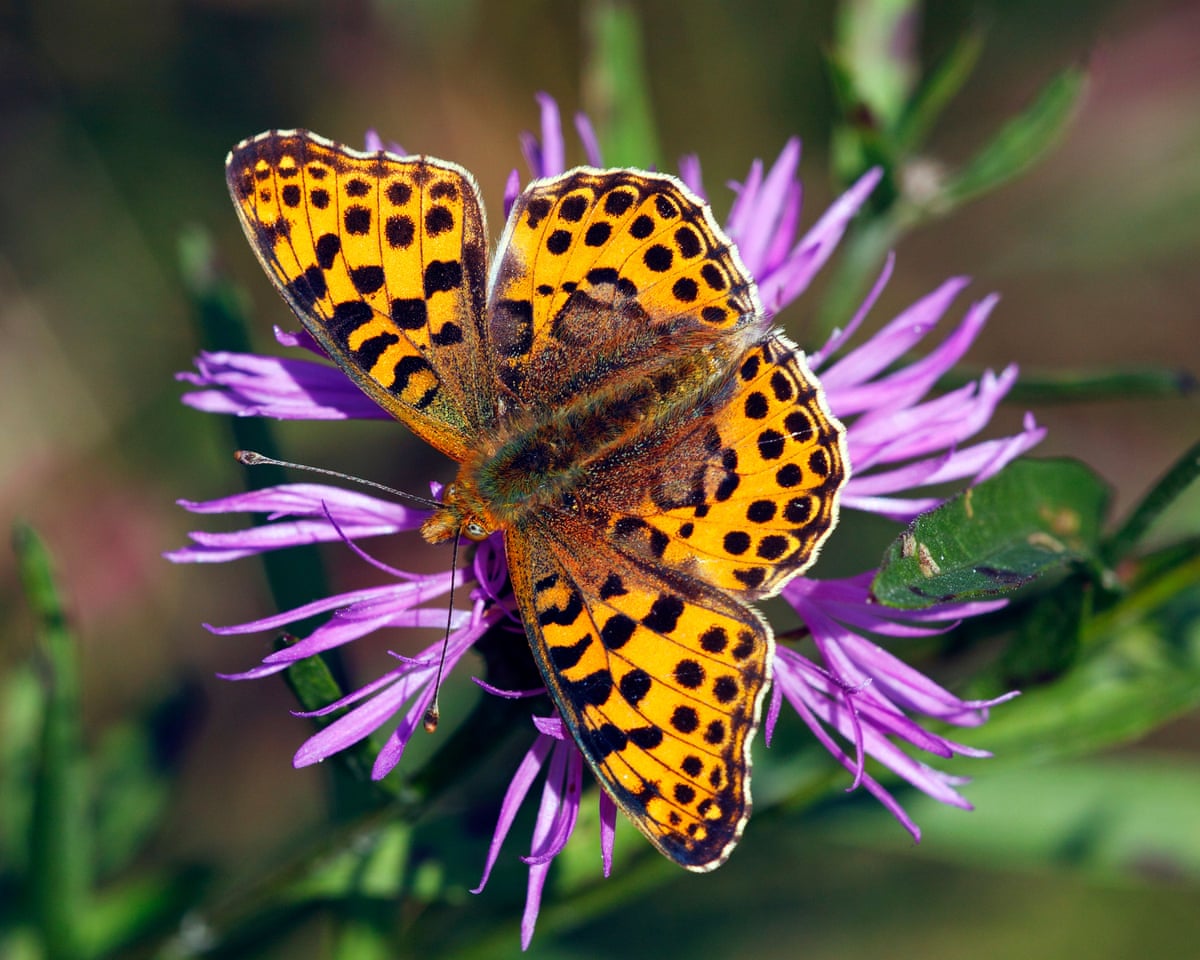
A massive influx of Queen of Spain butterflies has reached Britain this year in what experts describe as a major push to colonise the country. Thousands of these golden-hued insects have arrived from mainland Europe, marking an extraordinary surge for a species that typically makes only rare appearances in the region.
The Queen of Spain butterfly is widespread across continental Europe and is recognised by its uniquely shaped, squared-off hindwings. While insect enthusiasts in Britain have documented visits from the species across four centuries, sightings are usually limited to just a tiny handful of individuals during a typical summer.
This season's wave includes arrivals from multiple parts of Europe. Insects flying from France and Spain reached southern British shores, while others travelling from the Netherlands entered East Anglia.
The arriving migrants have already successfully reproduced in their new setting. British-born offspring emerged during the autumn, with observers spotting hundreds of butterflies last week at Linford and East Tilbury along the Thames in Essex.
According to butterfly specialist Neil Hulme, the huge volume of arrivals is phenomenal and reflects a bold effort by the species to establish itself in the United Kingdom. Observers are now considering whether the butterfly might ultimately become the 61st native species in Britain.
Surviving the winter remains a major hurdle for the butterflies. Over the past 30 years, the species is thought to have successfully overwintered in Britain only twice: once during the 1990s at Minsmere in Suffolk, and again around 2010 near Chichester.
Despite these past obstacles, Hulme is confident that the vast quantity of arrivals will lead to sightings in Britain again next spring. He explained that while this does not guarantee permanent establishment, routine influxes from mainland Europe could help the species maintain a local foothold. People wishing to support the butterflies can cultivate wild and field pansies, which are the preferred food plants for their caterpillars.


