Insects and pollinators
Bali project links firefly recovery to organic farms
A Bali conservation effort is breeding native fireflies while helping nearby farmers replace pesticides and restore the insects’ habitat.
Reported by Mongabay · · 1 min read

Fireflies that once filled the night over Bali’s rice fields have almost vanished from one village, according to a report by Mongabay. Land development, artificial lighting, damaged habitat and intensive pesticide use have all contributed to the decline.
The insects are important beyond their cultural value. They can indicate the condition of an ecosystem, pollinate plants and eat snails that damage crops. Across Southeast Asia, several firefly species are now approaching extinction.
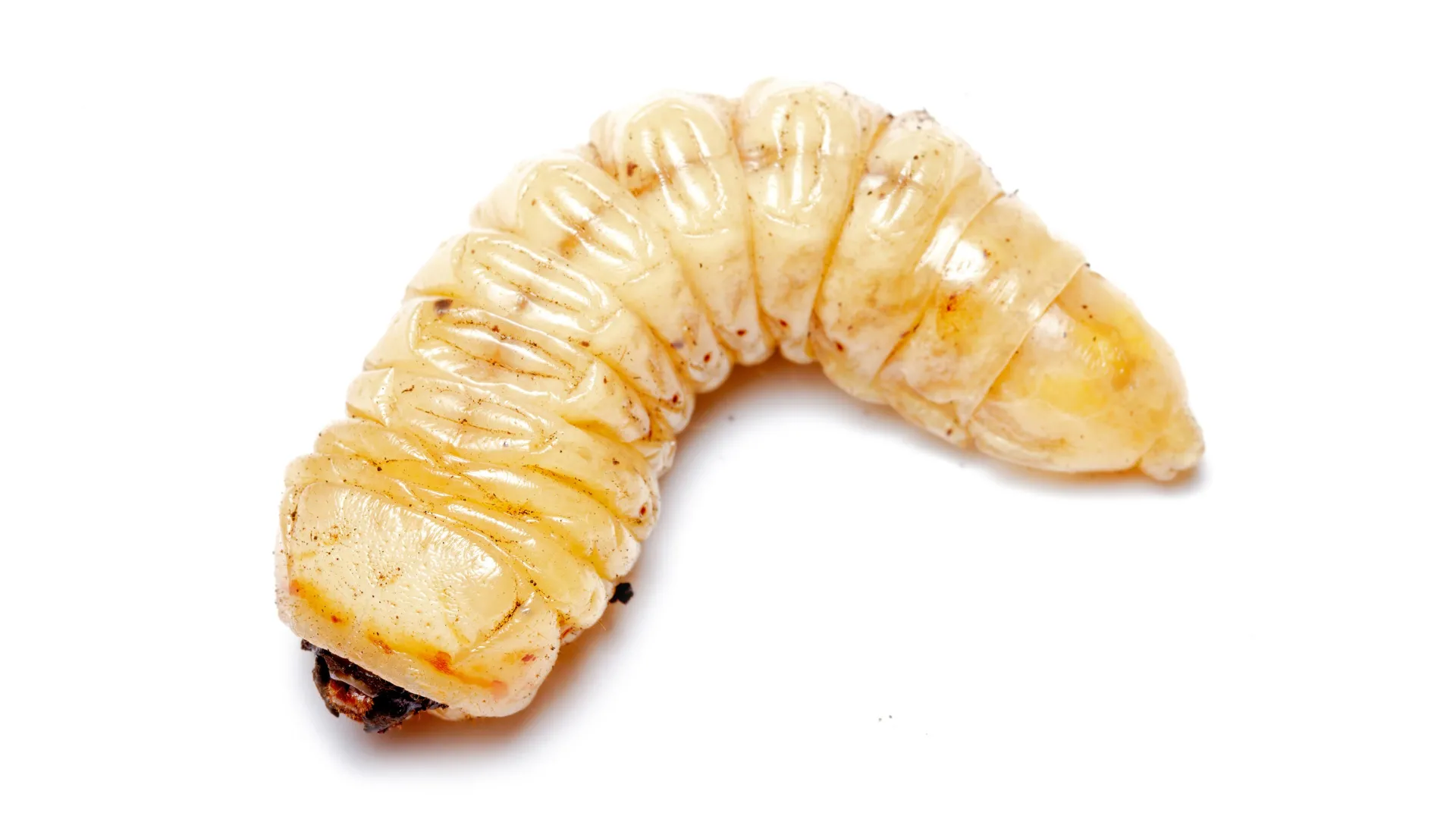
In 2020, Wayan Wardika created Bring Back the Light on his family’s farm in Taro. The initiative, described as Indonesia’s only firefly conservation program, is led scientifically by Cindy Chayani and a specialist team. They raise larvae in terrariums built to resemble jungle and wetland environments, with some remaining in care for as long as two years.
Around nine in 10 mature insects are returned to nature after breeding. The project says it has released close to 20,000 larvae and adults, and local firefly numbers have begun to improve. Chayani said the breeding enclosures are arranged to make the insects comfortable enough to mate and lay eggs.
Wardika says releases will not be sufficient unless surrounding farmland becomes safer. His team turns manure from a nearby facility with sacred white cattle into compost and makes a natural pesticide from discarded market food. The project aims to help 35 nearby farmers stop using chemicals, offering free supplies and compensation for transition-related losses. Four farmers have joined so far, while ecotourism and organic produce sales support the work.