Wild mammals
South African cheetah survey finds just 83 mature adults
A comprehensive census across vast unprotected lands indicates the predators face severe isolation, prompting calls for endangered status.
Reported by Mongabay · · 1 min read
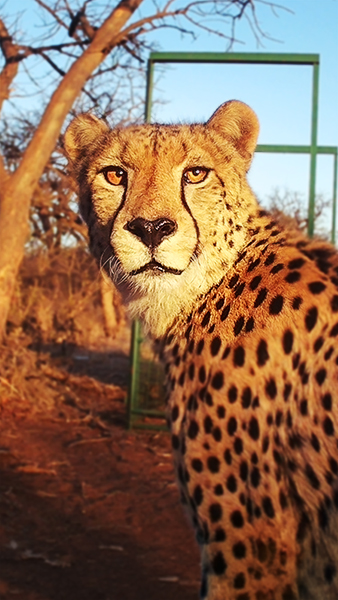
A large-scale wildlife survey covering nearly 40,000 square miles of territory in South Africa has recorded only 83 mature adult cheetahs, revealing critical pressure on the population.
Conducted across almost 100,000 square kilometers, the Free-Roaming Cheetah Census represents the most detailed investigation of these big cats ever undertaken in that part of the world.
Investigators noted that cheetahs residing outside protected reserves regularly travel across international borders. Their natural ranges extend between South Africa, Namibia, Botswana, and Zimbabwe as they seek expansive territories.
Habitat barriers and conflicts
However, human activities are increasingly dividing the landscape. Expanding agricultural operations, physical fences, construction projects, and ongoing development severely restrict the animals from roaming freely across their traditional corridors.
Such widespread connectivity is vital for the long-term survival of the species. Without regular contact and breeding between different groups, cheetahs risk suffering a severe decline in their overall genetic pool.
In addition to physical barriers, these predators encounter direct friction with agricultural landholders. Some farmers deliberately kill cheetahs because of suspicions that the carnivores prey upon domestic livestock herds.
Nevertheless, field data gathered by the researchers indicates that cheetahs primarily feed on wild animals rather than farm stock. Although the species remains classified as vulnerable, the team argues that national authorities in South Africa should elevate its classification to endangered.