Birds
Severe storms drove 500,000 migrating birds to English coast
Exhausted Scandinavian songbirds found refuge along the shoreline in 1965, but such dramatic arrival events are increasingly rare today as populations fall.
Reported by The Guardian · · 1 min read
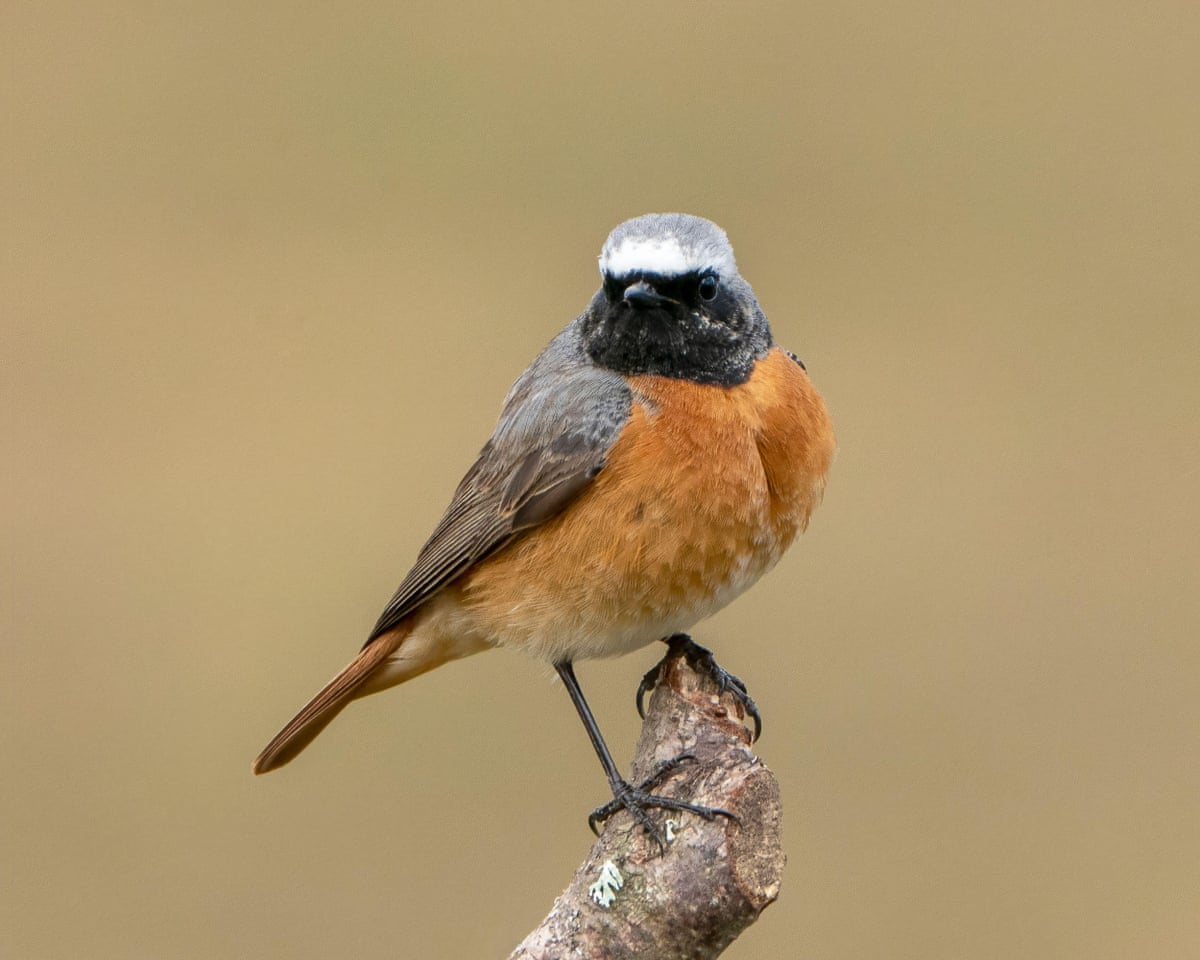
In the autumn of 1965, severe weather over the North Sea triggered an extraordinary wildlife spectacle along the eastern coast of England. A powerful atmospheric front characterized by dense cloud cover, strong winds, and downpours intercepted massive flocks of songbirds traveling south from Scandinavia toward sub-Saharan Africa.
The adverse conditions left the traveling birds thoroughly drained, causing many individuals to drop into the sea and drown during the crossing. Nevertheless, roughly 500,000 survivors managed to reach a 24-mile section of the English shoreline, an influx that observers later termed the Great Fall.
At Lowestoft, the sudden descent interrupted local activities. The late birding mentor Derek Moore, who was fielding during a cricket match at the time, found himself surrounded by hundreds of exhausted songbirds touching down directly across the sporting pitch. Once ashore along the Suffolk coastline, the surviving travelers rested and nourished themselves before resuming their journey south.
While naturalists active in the 1970s frequently recalled witnessing comparable autumn arrivals from previous decades, modern birdwatchers rarely encounter events of such immense magnitude. Observers note that this decline does not stem from altered meteorological conditions across the region.
Instead, the rarity of these mass arrivals reflects a substantial drop in songbird populations breeding across northern Europe and journeying through Britain toward African wintering grounds. With overall numbers depleted, the vast coastal gatherings of the past have largely disappeared from British shores.
Smaller influxes still take place at certain coastal vantage points, including Spurn Head on the coast of East Yorkshire. Since 2013, naturalists have assembled there each year for the MigFest festival to observe seasonal flights, remaining alert for any sudden arrivals brought inland by changing weather.