Birds
Ruffed grouse populations decline across eastern US
State wildlife officials halt hunting seasons as shrinking young forest habitats and mosquito-borne virus pressure reduce wild bird populations.
Reported by The Guardian · · 2 min read
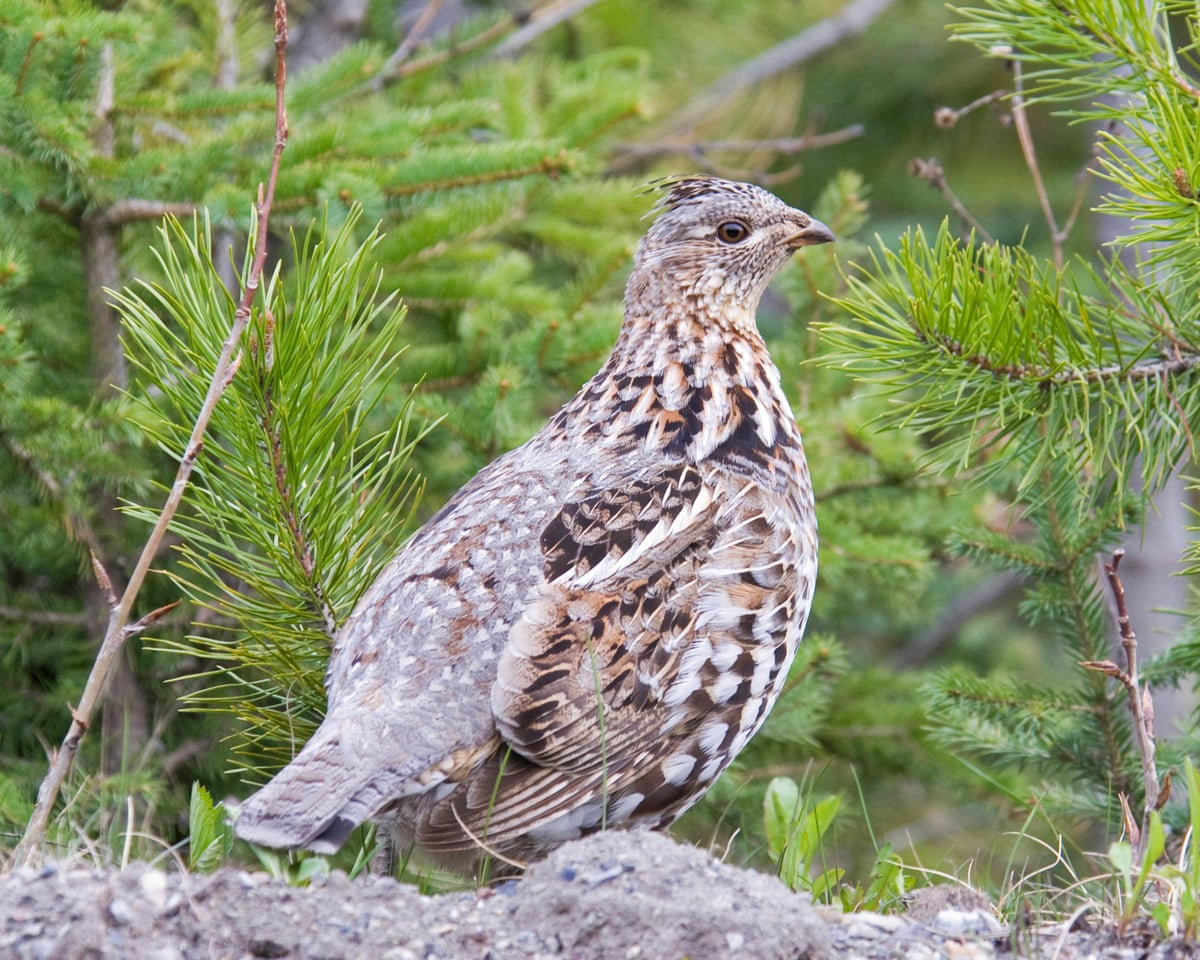
Wildlife authorities in Ohio have withheld open public hunting permits for ruffed grouse this year, marking the first time such an action has occurred since 1937. The decision comes after roadside drumming surveys revealed that local populations have dropped drastically, with counting rates falling below one percent of levels seen four decades ago.
Similar trends have emerged elsewhere across the midwestern and eastern states. Indiana designated the game bird as endangered six years ago after its presence contracted to twelve counties, shutting down its hunting season in 2015. New Jersey took comparable measures four years afterward as sightings continued to dwindle.
Environmental threats
Conservationists attribute the downturn to a combination of habitat loss and disease. While ruffed grouse are naturally resilient in harsh winter conditions, they depend heavily on early-successional woodland containing young tree growth. As forests throughout the Appalachian and midwestern regions age, suitable ground cover has grown scarce, contributing to a 27 percent decline in eastern forest birdlife according to conservation data.
Rising temperatures are compounding these difficulties by encouraging the spread of West Nile virus. The blood-feeding mosquitoes that transmit the infection are expanding their geographic range northward and into higher altitudes previously sheltered by cold climates. Research indicates that the Ohio valley and northeastern regions have experienced a notable surge in warm, humid days suitable for mosquito activity over recent decades.
Because infected birds can magnify the virus by transferring it to other insects, the health threat continues to expand beyond historically vulnerable species such as raptors. While northern strongholds like Wisconsin and Minnesota maintain higher numbers, regional warming between 1970 and 2025 has begun affecting behavior, prompting grouse to stay elevated in forest canopies to escape heat rather than foraging along the ground.
The bird's scarcity also carries economic consequences for rural Appalachian communities where seasonal hunting traditions once generated substantial local spending. With bird numbers suppressed, state wildlife specialists noted that the proportion of licensed hunters actively seeking grouse dropped from 13 percent down to two percent between 1993 and 2014.