Wild mammals
Pine marten damages thatched roof in Angus glen
A tradesperson restoring a roundhouse near the Cairngorms discovered an exploratory hole left by a mustelid living in the Scottish glen.
Reported by The Guardian · · 2 min read
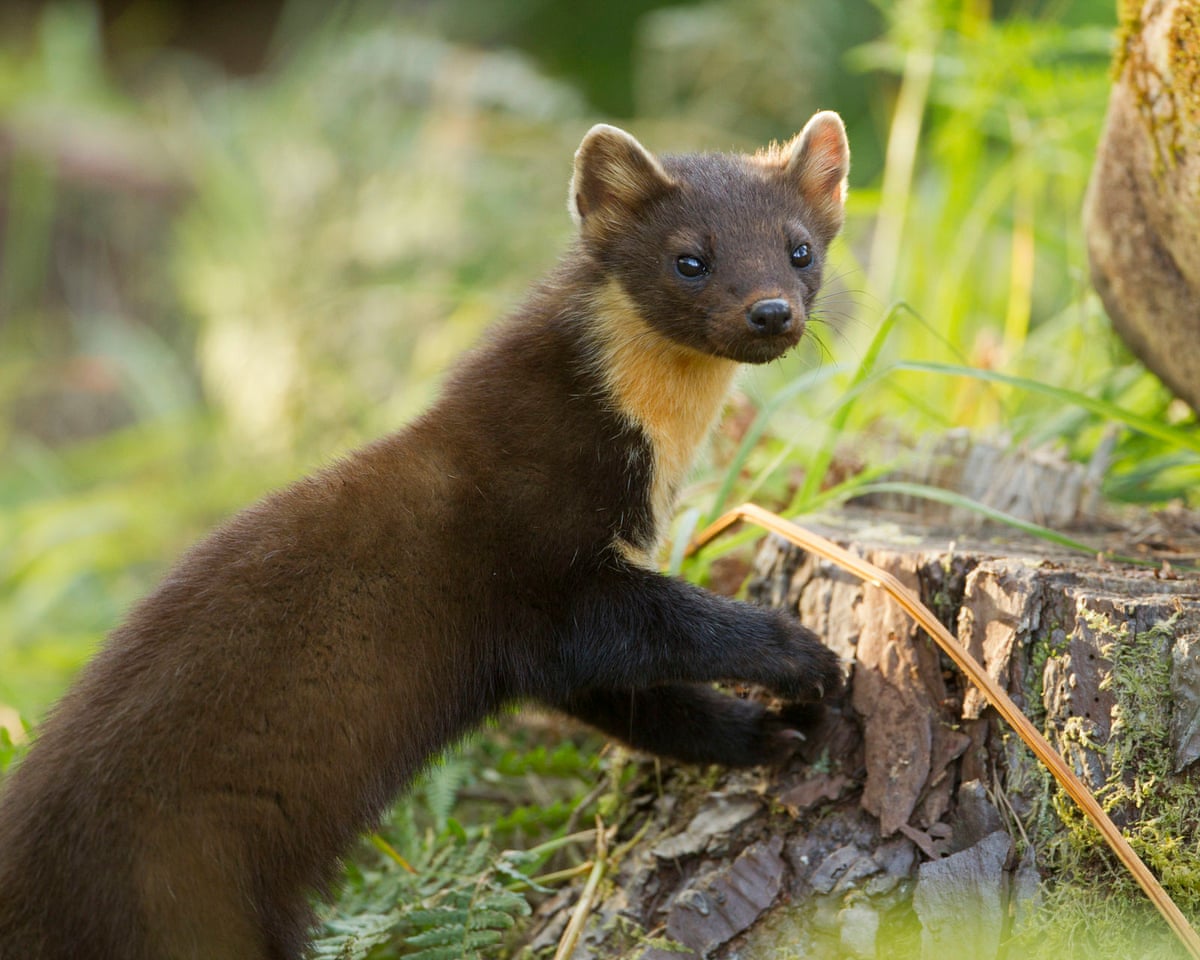
In Glenisla, Angus, an artisan working on a thatched roundhouse discovered unusual damage caused by a local pine marten. Located immediately south of the Cairngorms, the residence required repairs after an animal chewed into the reeds covering the building. While assessing the structure, the thatcher located a ten-inch scoop in the moss-covered material, where clear bite impressions showed an exploratory attempt to burrow inside.
The property owner, Pam Aitchison, suspected the native mustelid was responsible for the excavation. Aitchison had previously provided the creature with sandwiches filled with jam and peanut butter, though she ceased the feedings over concerns regarding potential structural harm. According to the repairer, finding evidence of pine martens inside thatch is unprecedented in fourteen years of roof maintenance, despite the frequency of issues linked to other wildlife.
Roof specialists regularly deal with intrusions from squirrels, which can gnaw through protective wire mesh, reed bundles, wooden battens, and lead chimney fittings. Jackdaws and rats also regularly disturb thatched properties across the region. In contrast, encounters involving pine martens attempting to penetrate roofs remain exceedingly uncommon, even though the species maintains an active local population.
Residents in the glen have adapted to sharing space with the agile predators. A nearby semi-retired tradesperson named Bruce previously hosted two martens that nested inside his garage roofing across several summer seasons. After experimenting with various deterrence methods to block their access, he ultimately chose to let them remain, observing that the creatures can fit through virtually any gap in search of shelter.
To discourage future incursions, the roof is receiving tightly compressed bundles of water reed harvested locally from Tayside rather than typical imported supplies. Sourced from the nation's largest continuous reed expanse—an eleven-mile belt originally planted for flood mitigation in the nineteenth century—the raw reeds also support significant fauna. Managed by the Royal Society for the Protection of Birds, that wetland sanctuary provides habitat for marsh harriers, water rails, and a fourth of the country's bearded tit population.


